Stakeholders driving the adoption of Compressed Natural Gas (CNG) in Nigeria have restated their unwavering commitment to ensuring a seamless national transition from petrol to cleaner gas alternatives, noting that it will lower transport cost.
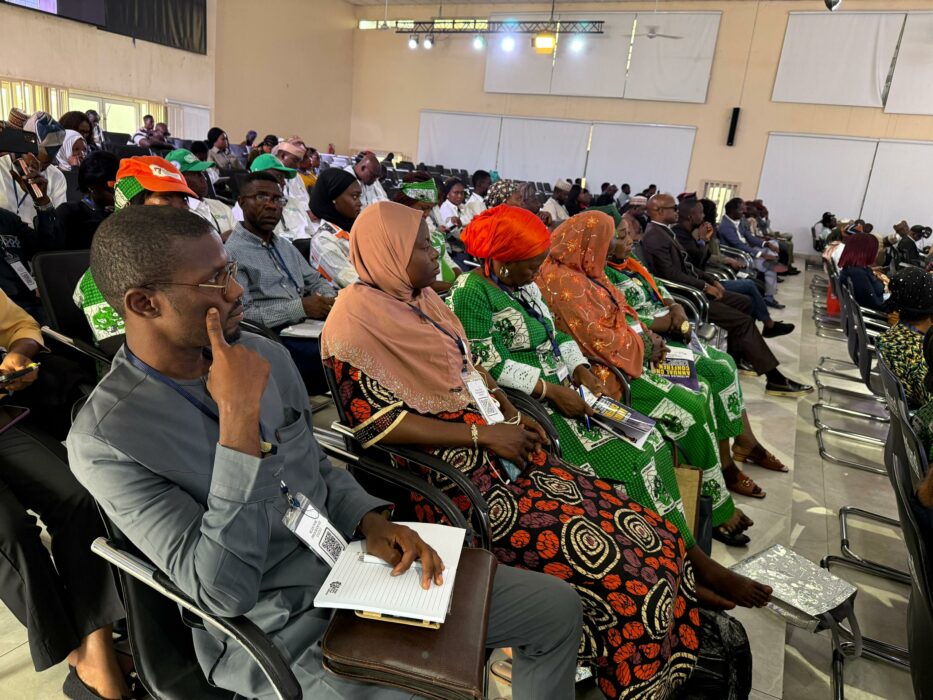
Speaking at the second edition of the Autogas Nigeria Annual Conference, held in commemoration of the World Sustainable Transport Day, participants emphasised that a full-scale shift to CNG would improve citizens’ welfare, lower transportation costs, and significantly reduce harmful emissions across the country.
Vice Chancellor of the Federal University of Transportation, Daura (FUTD), Professor Umar Katsayal, described the transition to CNG as “consequential to Nigeria’s economic growth.”
Represented by Dr. Ibrahim Ahmadu, Prof Katsayal noted that extensive research has shown that CNG vehicles emit substantially lower levels of particulate matter (PM), nitrogen oxides (NOx), and carbon monoxide (CO), with carbon dioxide (CO₂) reductions of up to 20–30 per cent—depending on vehicle type and fuel supply chain.
He said the conference theme, “CNG for All: Powering Nigeria’s Sustainable Future,” is timely as it highlights the public-health and environmental benefits of cleaner energy adoption, particularly in densely populated cities.
The director-general of the Energy Commission of Nigeria (ECN), Dr. Mustapha Abdullahi, while speaking at the event, reiterated the federal government’s commitment to positioning gas as Nigeria’s primary transition fuel.
He commended President Bola Ahmed Tinubu for establishing the Presidential Initiative on Compressed Natural Gas (PICNG), which has accelerated the adoption of CNG across the transport sector, especially after the removal of petrol subsidies.
Managing Director/CEO of Automotive Gas Nigeria Services Limited (Autogas Nigeria), Hajiya Maryam Salihu Ibrahim reaffirmed Autogas Nigeria’s mission—since its establishment in 2021—to expand the adoption of CNG through vehicle conversion services, nationwide refuelling infrastructure, and technical capacity-building.
Ibrahim noted that this year’s conference theme reflects the growing body of evidence that positions CNG as a fuel of national importance.
We’ve got the edge. Get real-time reports, breaking scoops, and exclusive angles delivered straight to your phone. Don’t settle for stale news. Join LEADERSHIP NEWS on WhatsApp for 24/7 updates →
Join Our WhatsApp Channel