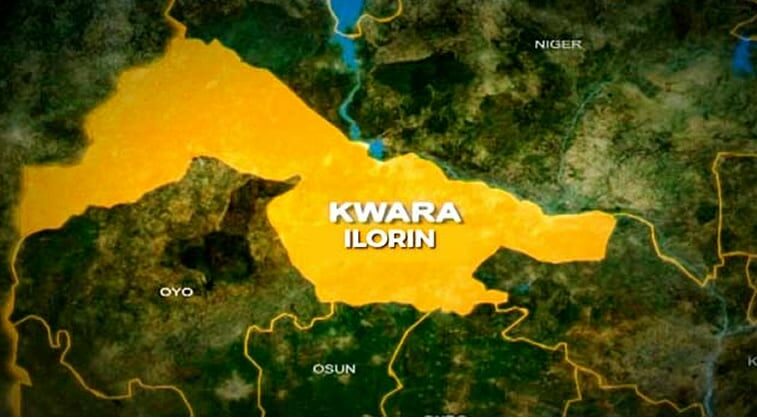
The Kwara Inclusion Advocates (KIA) have warned that the continued structural exclusion of Christians from the governorship equation in Kwara State must be addressed ahead of the 2027 elections, insisting that competence and inclusiveness, not identity politics, should shape leadership choices.
Speaking at the KIA 2025 Press Conference and Mini Summit held over the weekend in Ilorin, the group’s convener, Barrister Tunji Adeyemi, said the intervention was not driven by religious agitation but by the urgent need to stabilise Kwara politically and socially as succession debates intensify.
Adeyemi noted that long-standing feelings of alienation persist among segments of the population, particularly in Kwara South and among Christian communities, warning that sustained exclusion from the highest political office could undermine trust and social cohesion.
“As 2027 approaches, Kwara is under pressure from insecurity, declining public confidence and growing anxiety among citizens. These challenges will not be resolved by sentiment, rigid zoning or silent exclusions, but by deliberate inclusion anchored on competence,” Adeyemi said.
He stressed that leadership in Kwara should not be treated as an entitlement or a “turn-by-turn souvenir,” arguing that competence in a plural society must be both real and visible across religious and regional lines.
According to him, the automatic disqualification of Christians from serious governorship consideration amounts to structural exclusion that weakens unity in a diverse state.
While acknowledging calls for the governorship to rotate to Kwara North, Adeyemi maintained that zoning should not become a tool for shutting out qualified candidates on the basis of faith.
He argued that if a competent Christian candidate emerges through an open and competitive process, such a person should not be excluded by informal political barriers.
Drawing from history, Adeyemi recalled the election of the late Governor Cornelius Adebayo in 1983 and the leadership legacies of former military governor George Innih, noting that Kwarans have previously embraced leadership beyond identity when merit and credibility were evident.
Other speakers at the event reinforced the call for inclusive governance.
Akogun Iyiola Oyedepo said competence remains the strongest unifying factor in leadership, noting that sustainable development flourishes where merit prevails over sentiment. Dr. David Olayemi emphasised youth empowerment as a key pillar for peace and long-term stability, urging political leaders to deliberately invest in young people ahead of 2027.
Prof. (Mrs.) Bolanle Saliu also called for the deliberate inclusion of women in leadership and decision-making, stressing that exclusion—whether of women or faith groups—weakens democratic outcomes.
KIA further urged traditional rulers to maintain political neutrality, warning that overt partisan alignment could erode their moral authority and ability to unify communities.
The group concluded that the central question ahead of 2027 is not whose turn it is, but who can secure, heal and unite Kwara State in an increasingly fragile political climate.
We’ve got the edge. Get real-time reports, breaking scoops, and exclusive angles delivered straight to your phone. Don’t settle for stale news. Join LEADERSHIP NEWS on WhatsApp for 24/7 updates →
Join Our WhatsApp Channel