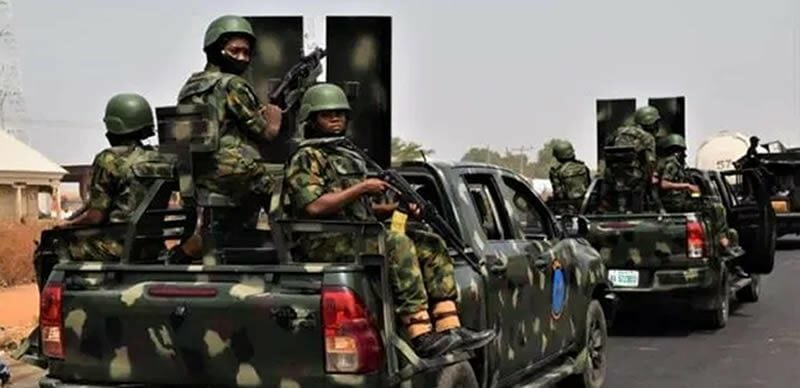
A dismissed soldier known as Soja Boi (Rotimi Olamilekan, service number 18NA/77/1009 LCPL) has thrown down a public gauntlet that has shaken the Nigerian military establishment. In a viral interview on the Honest Bunch Podcast with Omoyele Sowore on 6 April 2026, followed by a widely circulated video and bank transaction alerts released on 7 April, he dared the Army to publish full payroll records, allowances and pension details for serving and dismissed personnel. The challenge comes at a moment when the military is stretched thin by relentless operations against bandits in Zamfara and Katsina and insurgents in Borno and Yobe. What began as one man’s grievance has become a national conversation about transparency, troop welfare and the bond of trust between the nation’s defenders and the institution that commands them.
The timing could not be more significant. Nigeria’s security forces continue to bear the brunt of the fight against banditry and terrorism that has displaced millions and disrupted farming communities. Yet behind the headlines of operations and neutralised threats lies a quieter crisis of morale.
Serving soldiers and their families frequently complain of delayed salaries, unpaid allowances, inadequate medical care for the wounded and opaque pension processes for those medically discharged or dismissed.
Soja Boi’s demand for verifiable payroll records has amplified long-standing allegations that resources meant for personnel welfare are sometimes diverted or mismanaged. The Army has stated that he was dismissed in March 2026 for repeated acts of indiscipline and violations of the Armed Forces Social Media Policy. The soldier’s boldness reflects a deeper frustration felt by many in the ranks: that those who risk their lives for the nation are too often treated as expendable once the uniform comes off.
This challenge strikes at the heart of institutional legitimacy. The Nigerian military has historically enjoyed respect as a symbol of national sacrifice and discipline. When soldiers publicly question the transparency of their own payroll system, however, it signals a fracture in that bond. Philosophically, it raises a fundamental question about the social contract between the state and those who defend it.
The 1999 Constitution places the security and welfare of the people at the core of government responsibility. The military, as the ultimate guarantor of that security, cannot be exempt from the same standards of accountability it is sworn to uphold. When serving and dismissed personnel feel that their sacrifices are met with opacity rather than openness, the moral rectitude expected of a professional fighting force is called into question. Short-term expediency and a culture of institutional secrecy have once again triumphed over the long-term need for trust.
The consequences ripple far beyond the barracks. Low morale among troops directly affects operational effectiveness in the field. Reports of desertions, reluctance to redeploy and reduced enthusiasm for high-risk missions have surfaced in several Northern theatres of operation. For the families of fallen or injured soldiers, delays in benefits and lack of transparent records deepen financial hardship and emotional trauma. Public trust in the military as an institution suffers when citizens see their defenders appearing to fight internal battles over welfare even as they confront external enemies.
In the North, where communities already grapple with hunger, forest loss and governance fatigue, any erosion of confidence in the security forces compounds the sense of abandonment. A military perceived as opaque risks losing the community intelligence and local support that are vital to winning the war against banditry and insurgency.
Yet Soja Boi’s challenge also presents a genuine opportunity for institutional renewal. The Nigerian Army and the wider defence establishment must respond not with defensiveness but with decisive transparency. An independent audit of payroll and welfare systems, conducted by a credible civilian oversight body, would go a long way towards restoring credibility. Clear, time-bound reforms on allowances, medical support and post-service benefits for dismissed or retired personnel are urgently needed. Leadership must communicate empathetically with both serving troops and the public, acknowledging genuine grievances rather than dismissing them. Strengthening internal grievance mechanisms and whistle-blower protections would prevent future public spectacles while building a culture of accountability from within.
The Nigerian people have shown remarkable resilience in the face of insecurity and economic hardship. They expect the same resilience and integrity from the institutions that protect them. Soja Boi’s dare is not an attack on the military; it is a call for the military to live up to the high standards it sets for itself and the nation.
If the Army seizes this moment to demonstrate openness and fairness, it will strengthen not only troop morale but also the broader social contract between the governed and those who defend them.
History will judge this generation of military leadership not by the number of operations conducted but by whether it treated its own personnel with the dignity and transparency they deserve. The vanishing trust in institutions is a silent alarm. Nigeria’s military must answer it with urgency, moral courage and genuine reform. Only then can the gap between the defenders and the defended be bridged, and only then will the nation’s security forces regain the full confidence of the citizens they serve.
We’ve got the edge. Get real-time reports, breaking scoops, and exclusive angles delivered straight to your phone. Don’t settle for stale news. Join LEADERSHIP NEWS on WhatsApp for 24/7 updates →
Join Our WhatsApp Channel