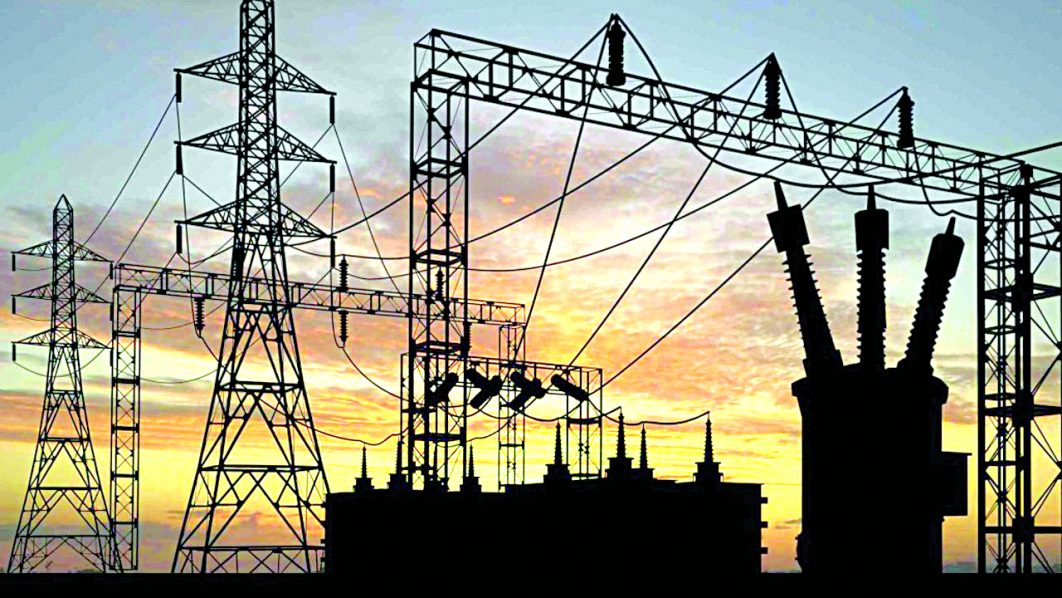
Stakeholders in the power sector have asked the incoming administration in 2023 should declare a state of emergency in the power sector to solve the lingering crisis of inadequate supply. This consensus emerged at the 13th edition of PwC’s annual power & utilities roundtable themed ‘Setting a New Power Agenda Post-2023 Elections’.
During the session’s panel discussion, it became apparent that stakeholders across Nigeria’s power sector value chain, from transmission, distribution, generation and renewable energy operators, have different perspectives on the policies required to solve the challenges in the sector.
Discussants at the event observed that political actors often have bold ambitions that drive policymaking but sometimes aren’t consistent with the pragmatic realities in the industry, a misalignment they say hampers a collaborative approach towards solutions.
However, stakeholders at the roundtable agreed on the need to formally recognise the electric power crisis in Nigeria and for the new government post-2023 elections to convene a stakeholders’ summit.
Pedro Omontuemhen, Partner and Energy, Utilities and Resources Industry Leader, PwC Nigeria, said: “Irrespective of your political affiliation, we can all agree that electric power is critical to our development as a nation. But there are several perspectives on the key solutions and policies that Nigeria should pursue to solve the crisis in the power sector.
for all stakeholders and the incoming government to dimension the challenges and agree on the key policies to implement. This alignment is urgent if the incoming government is to deliver a sustainable and stable electric power supply in Nigeria.”
Experienced power sector stakeholders who attended the roundtable include: the keynote speaker Dr Sam Amadi, former CEO of Nigerian Electricity Regulatory Commission; and the panellists were Mr Alex Okoh, director-general, Bureau of Public Enterprises; Mr Edu Okeke, MD, Azura Power West Africa Limited; Ms Lande Abudu, Component Lead, Standalone Solar Home Systems (SHS), Nigeria Electrication Project, REA; and Dr U.G Mohammed, Former MD, Transmission Company of Nigeria (TCN).
In his keynote address, ‘How to solve Nigeria’s energy problem’, Dr Sam Amadi set the tone for the panel session. He reviewed the power sector policies of the presidential candidates of the three leading political parties. Some of the solutions he proposed include, a restructuring of the Transmission Company of Nigeria(TCN); constituting a presidential task force to drive power sector reforms, restructuring of Niger Delta Power Holding Company(NDPHC) to release its 4000 Megawatts generating capacity and invitations to local and international developers to sign new PPA for 800 Megawatts of solar/wind in Lagos/PH/Warri by 2025.
The panellists identified ongoing power sector interventions and critical and impactful reforms, which the incoming government should continue to implement post-2023.
Mr Alex Okoh noted that some ongoing reforms targeted at the GENCOs have worked and should continue. For example, a legacy GENCOs firm that was privatised, and listed on the stock exchange, is currently attracting favourable attention from the public, this is an independent test of the viability of that business.
For Ms Lande Abudu, it is the intervention which opened the space and energised the renewable energy providers. For example, Standalone Solar Home Systems has deployed over one million units impacting over five million Nigerian households.
Mr Edu Okeke highlighted the positive impact the licensing of mobile money would have on the renewable space by giving investors the confidence that they can easily collect their payments from the consumer.
For Dr U.G Mohammed, one of the laudable reforms was the cessation of government-to-government agreements with neighbouring countries which paved the way for GENCOs to sign bilateral agreements directly with their governments. He noted that a bilateral agreement is preferable to the single buyer regime.
Akinyemi Akingbade, Partner, Energy, Utilities and Resources, PwC Nigeria, who moderated the panel session noted that: “A vital aspect of PwC’s purpose is to solve important problems. For the past 14 years, this forum has brought stakeholders together to discuss topical issues affecting the power sector and propose solutions. We are proud of some of its successes, and keen to collaborate with other stakeholders to chart a path forward.”
We’ve got the edge. Get real-time reports, breaking scoops, and exclusive angles delivered straight to your phone. Don’t settle for stale news. Join LEADERSHIP NEWS on WhatsApp for 24/7 updates →
Join Our WhatsApp Channel