
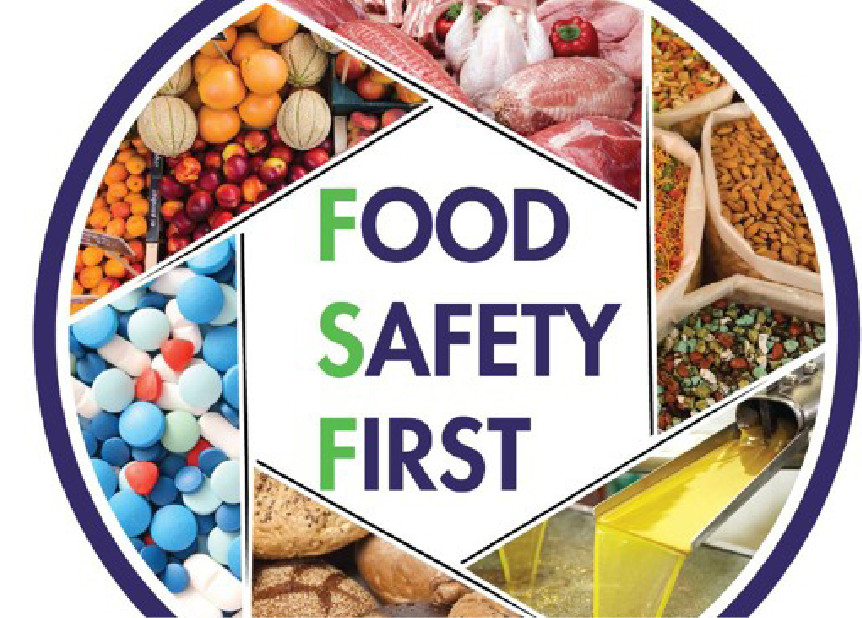
For many Nigerians, food safety is often associated with avoiding contaminated water, spoiled food, or outbreaks of food poisoning. But health experts and public health advocates have warned that the country’s food safety challenge goes far beyond bacteria, viruses, and unhygienic food handling practices.
As the world marked World Food Safety Day 2026 under the theme, “From Burden to Solutions, Safe Food Everywhere,” stakeholders called for a broader understanding of food safety, one that addresses not only foodborne illnesses but also the growing threat posed by unhealthy diets that are driving an epidemic of non-communicable diseases (NCDs).
The warning comes at a time when Nigeria is battling with a double burden: millions of cases of foodborne illnesses annually and a rising prevalence of hypertension, diabetes, obesity, heart disease, and other diet-related conditions.
According to the Federal Ministry of Health and Social Welfare, Nigeria records nearly 50 million cases of foodborne illnesses every year, leading to more than 53,000 deaths annually.
The Minister of State for Health and Social Welfare, Dr. Iziaq Adekunle Salako, described the figures as alarming and unacceptable.
Drawing from recent World Health Organisation estimates, Salako revealed that unsafe food contributes to approximately 4.26 million years of healthy life lost annually due to illness, disability, or premature death.
Even more troubling is the disproportionate impact on children as children under the age of five account for more than 80 per cent of the country’s foodborne disease burden, making them the most vulnerable victims of unsafe food systems.
“In practical terms, this means the true cost of unsafe food in Nigeria is not only measured in sickness and death, but also in the lost cognitive, physical and developmental potential of our children,” Salako noted.
According to him, most of these illnesses are caused by diarrhoeal pathogens such as Salmonella, E. coli, Campylobacter, Shigella, and rotavirus, resulting in hospitalisations, malnutrition, and preventable deaths.
Beyond biological contamination, the minister also highlighted the growing threat of chemical hazards, including lead contamination in grains, spices, and water sources.
While concerns about contaminated food remain significant, health advocates argue that Nigeria’s food safety conversation must evolve to reflect emerging realities.
Corporate Accountability and Public Participation Africa (CAPPA) insists that food safety should also encompass protection from excessive consumption of sugar, salt, unhealthy fats, and harmful additives that contribute to chronic diseases.
According to CAPPA, the country’s food environment has changed dramatically over the last decade, with increasing availability and consumption of ultra-processed foods and sugar-sweetened beverages.
These products, often aggressively marketed and widely accessible, are contributing to rising rates of hypertension, obesity, diabetes, cardiovascular diseases, and certain cancers.
Executive Director of CAPPA, Akinbode Oluwafemi, argues that food safety should not be narrowly defined as preventing food poisoning alone.
“Food safety is not only about preventing food poisoning. It is also about ensuring that the foods and drinks available to Nigerians do not slowly undermine their health and wellbeing,” he said.
His remarks reflect a growing global consensus that unhealthy diets have become one of the leading risk factors for premature deaths worldwide.
The rapid urbanisation of Nigerian society has significantly altered dietary habits.
Traditional diets rich in vegetables, legumes, fruits, and minimally processed foods are increasingly being replaced by packaged foods high in sugar, salt, saturated fats, and artificial additives.
Busy lifestyles, aggressive advertising, affordability, and widespread availability have made ultra-processed products attractive to consumers. However, health experts warn that the convenience comes at a cost.
Research has consistently linked excessive consumption of these products to increased risks of obesity, diabetes, hypertension, stroke, and heart disease.
As these diseases rise, so does pressure on Nigeria’s already strained healthcare system.
Families are also bearing the burden through escalating healthcare costs, reduced productivity, disability, and premature deaths
As Nigeria confronts both infectious foodborne diseases and the growing burden of diet-related illnesses, stakeholders insist that safe food must be defined not only by what it does not contain, but by how well it supports healthy living.
We’ve got the edge. Get real-time reports, breaking scoops, and exclusive angles delivered straight to your phone. Don’t settle for stale news. Join LEADERSHIP NEWS on WhatsApp for 24/7 updates →
Join Our WhatsApp Channel