For an administration that came into office promising pain now for gain later, the release of a formal reforms scorecard ought to have been a moment of vindication. Instead, it has opened up a fresh argument about numbers, and about who exactly gets to verify them.
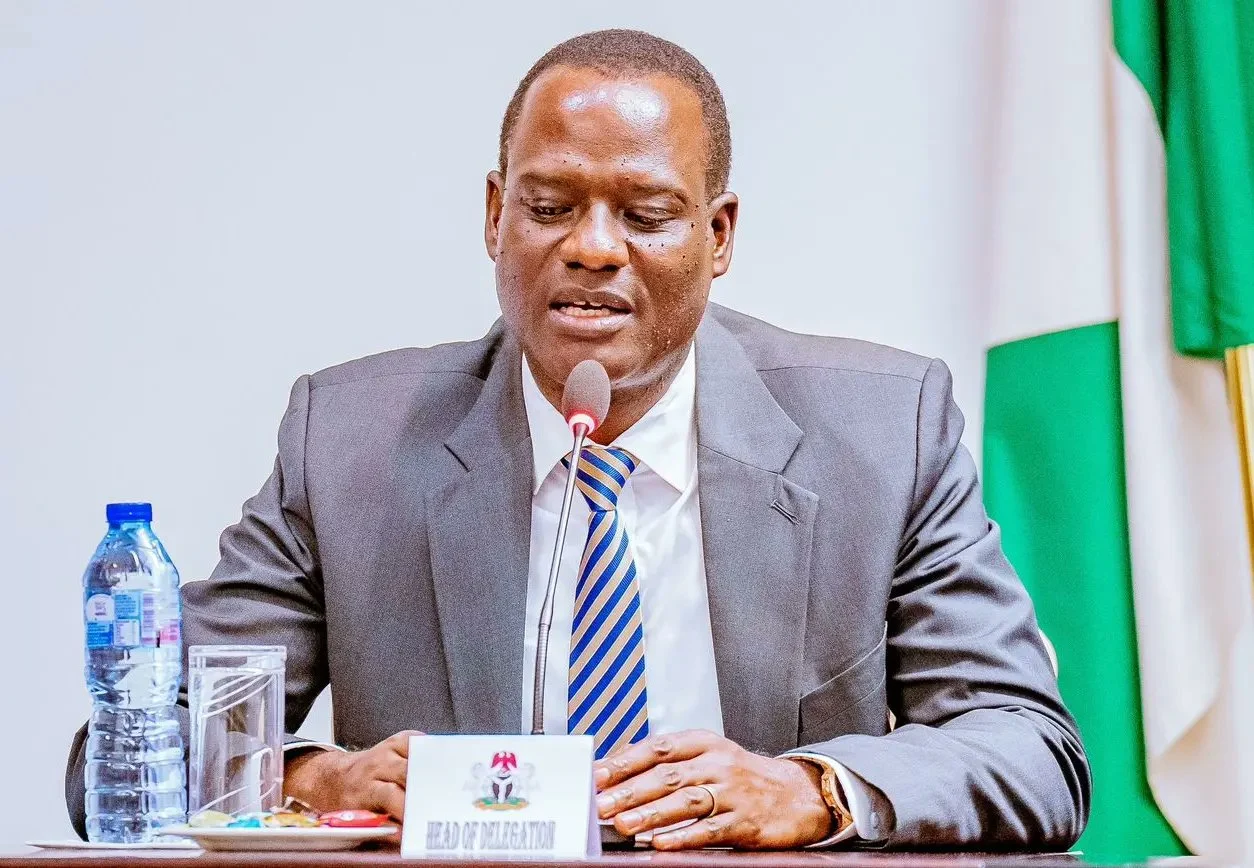
The Minister of Finance and Coordinating Minister of the Economy, Taiwo Oyedele, disclosed last week that subsidy removal added N15.8 trillion to the Federation Account between June 2023 and December 2025, with N5.4 trillion going to the centre and N10.4 trillion shared among states and local governments. He also revealed that the federal government borrowed N11.9 trillion in the same period, a figure he insists would have been far worse without the fiscal room the reforms created. These are significant claims, and they deserve serious engagement rather than reflexive dismissal on one side or uncritical applause on the other.
We commend the decision to publish figures at all. Governments in this country have historically preferred vague reassurance to hard numbers, and the instinct to hide behind classification and bureaucratic language runs deep in our public finance culture. That the scorecard breaks down revenue sources, incremental spending and twenty-five comparative indicators is, on its own terms, progress. Nigerians have for decades been asked to trust that painful policies would eventually pay off, without ever being shown the ledger. This time, at least, a ledger of sorts has been produced.
But a scorecard authored entirely by the government being scored is not the same thing as independent verification, and this newspaper is unwilling to pretend otherwise. Oyedele’s own presentation concedes as much when he invites editors and independent analysts to check the arithmetic. That invitation should be taken up in earnest, and not merely as a rhetorical flourish tossed into a press briefing. If the federal government is confident in its figures, it should welcome, rather than merely tolerate, external audit of the subsidy savings, the borrowing figures and the wage adjustment claims that together account for the bulk of the N30.64 trillion in additional spending.
This is precisely where the former Vice President, Atiku Abubakar, raises a question that cannot be waved away as politics. His challenge to the government to account for close to N30 trillion in Federation revenues, deductions, savings and transfers touches something more fundamental than partisan point-scoring: the constitutional principle that public money belongs to the public, and that its custodians owe those to whom it belongs a full and legible account. His comparison of gross statutory revenue against what actually gets distributed each month, from January 2024 through June 2026, describes a pattern successive governments have never adequately explained. Calling it “the madness” may be theatrical, but the arithmetic gap is not resolved merely by pointing to a scorecard on subsidy savings, since the two conversations, while related, are not identical.
There is also the matter of what all this reform has actually delivered to the household level. Here the minister was admirably candid. Petrol has moved from roughly N185 a litre to between N1,100 and N1,400. The Monetary Policy Rate has climbed from 18.5 per cent to 26.5 per cent. Food inflation, though easing, still stood at 17.52 per cent as of June this year. Oyedele was right to call poverty reduction unfinished business rather than a victory lap.
That candour is worth more to public trust than any single macroeconomic indicator, because Nigerians measure reform not by reserve figures or stock market capitalisation but by what a plate of food costs them and whether their children can afford school fees.
Pointedly, macroeconomic stabilisation without felt relief is a hollow achievement. Gross reserves at $52.5 billion and a stock market that has grown roughly fivefold mean little to a family that has watched its real income collapse under the weight of currency depreciation and energy costs. The government’s own framing acknowledges this gap between macro gains and household pain, which is to its credit. What remains missing is a clear, dated timetable for closing that gap, rather than a general promise to keep expanding cash transfers and agricultural interventions at some point in the medium term.
The most useful thing the federal government can do now is exactly what both the scorecard and Atiku’s challenge point toward from different directions: open the books fully, to a standard that satisfies genuinely independent auditors rather than only the officials who prepared the figures.
A month-by-month, beneficiary-by-beneficiary reconciliation, covering every deduction and every disbursement from the Federation Account since June 2023, would settle the argument over the missing trillions far more effectively than competing press statements ever could. If the money has been spent on infrastructure, debt service and wages as claimed, the receipts exist somewhere and should be produced. If it has been saved, the accounts holding those savings should be named and their balances published.
There is a broader institutional lesson here that goes beyond this dispute over trillions. Nigeria’s public finance architecture has long assumed that citizens lack the standing to demand line-by-line accountability for money passing through the Federation Account. That assumption grows less defensible with every disclosure that raises as many questions as it answers.
The National Assembly, whose constitutional duty includes oversight of public expenditure, cannot afford to watch this argument play out between the executive and the opposition through press statements. It should summon the relevant officials, demand the documentation behind both the scorecard and the allocation figures Atiku has cited, and publish its own findings. Anything less is an abdication of the oversight function the legislature exists to perform.
Nigerians did not resist subsidy removal and currency unification lightly. They absorbed the shock in transport fares, food prices and household budgets, on the promise that the sacrifice would be accounted for and would eventually be felt in their own pockets. A government that wants credit for reform must be equally willing to accept scrutiny of that reform’s proceeds. Publishing a scorecard is a start. Publishing the ledger is the test that actually matters.
We’ve got the edge. Get real-time reports, breaking scoops, and exclusive angles delivered straight to your phone. Don’t settle for stale news. Join LEADERSHIP NEWS on WhatsApp for 24/7 updates →
Join Our WhatsApp Channel