The UK-funded Partnership for Learning for All in Nigeria (PLANE) has reached more than two million children and supported the training of over 25,000 teachers and facilitators across northern Nigeria since its launch in 2019.
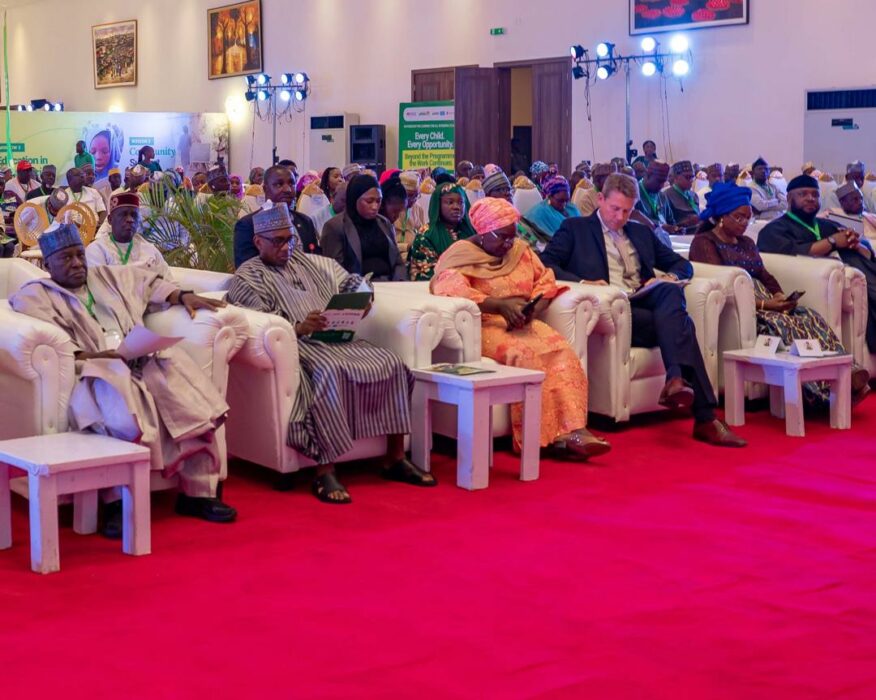
At the programme’s close-out event in Kaduna, education stakeholders called on state governments to sustain efforts to improve school access and learning outcomes after the programme ends.
PLANE supported education reforms, foundational literacy and numeracy, child protection and learning opportunities for vulnerable children, including those affected by emergencies.
Speaking at the event, the British High Commissioner to Nigeria, Pete Vowles, said state governments and other education stakeholders needed to determine how to maintain progress after the programme’s closure.
“While we are celebrating the achievements of the programme today, the most important question is what happens next,” he said.
Vowles added that the UK’s education partnership with Nigeria would continue beyond the end of PLANE.
In his keynote address, Kaduna State Governor, Senator Uba Sani, urged state governments to take responsibility for sustaining efforts to improve education.
The governor, represented by the deputy governor, said basic school enrolment in Kaduna increased from 2.17 million in 2022 to more than 2.57 million in 2025.
He added that household mapping across the state’s 23 local government areas put the number of out-of-school children at 187,719, compared with an estimated 535,000 when he assumed office.
Sani said education received 25 per cent of Kaduna’s N985.9 billion 2026 budget. He also called for cooperation among states to share information and lessons on improving education.
The Acting Permanent Secretary of the Federal Ministry of Education, Dr Folake Olatunji-David, said governments needed reliable data and effective policies to improve access to education and learning outcomes.
She said attention should extend beyond enrolment to attendance, retention, completion and foundational literacy and numeracy, particularly among girls, children with disabilities, displaced learners and other vulnerable groups.
Olatunji-David urged governments to incorporate effective education interventions into policies and budgets, while using reliable data to identify learning gaps and guide resource allocation.
The Kaduna State Commissioner for Education, Prof. Abubakar Sani Sambo, said more than 25,000 out-of-school children had returned to learning across the state’s 23 local government areas.
He called for sustained efforts to keep children in school.
Education commissioners from participating states, including Kano, Jigawa, Borno and Yobe, also stressed the need for governments to maintain education interventions after the programme’s closure.
The Borno State Commissioner for Education, Engr. Abba Lawan Wakilbe, said the programme’s long-term impact would depend on actions taken by governments and other stakeholders after its conclusion.
“The legacy of PLANE will not be measured by what it has done, but by what we achieve from it afterwards,” he said.
We’ve got the edge. Get real-time reports, breaking scoops, and exclusive angles delivered straight to your phone. Don’t settle for stale news. Join LEADERSHIP NEWS on WhatsApp for 24/7 updates →
Join Our WhatsApp Channel