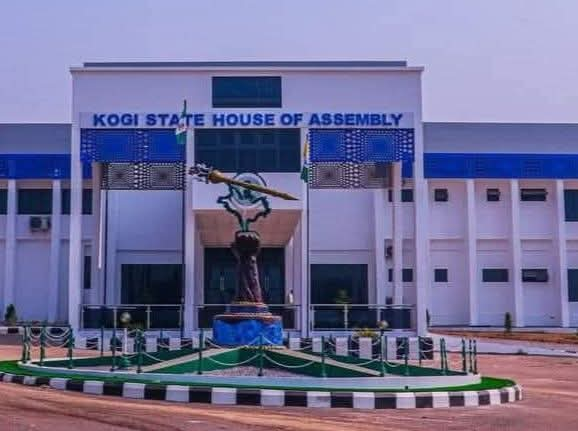
The Kogi State House of Assembly has called on the managements of Prince Abubakar Audu University (PAAU), Anyigba, and the Kogi State Polytechnic, Lokoja to suspend the recent increase in school fees and revert to the previous rates.
The resolution followed public outcry over the fee increases, which lawmakers said could further worsen the economic hardship facing parents and guardians across the state.
The Speaker of the House, Rt. Aliyu Umar Yusuf, said the widespread complaints against the increases indicated that adequate consultation might not have been conducted before the decisions were taken.
Yusuf noted that although the two institutions had enabling laws backing their actions, the increases were not in the best interest of the Kogi State Government and the people, particularly at a time when many families were struggling to meet their financial obligations.
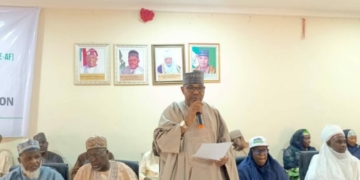
The House reached the resolution following a petition read by the House Leader, Dr Suleiman Abdulrasaq, who represents Okene Town State Constituency.
The petition contained two major prayers, including a call on PAAU and Kogi State Polytechnic to suspend the new fees and revert to the previous rates.
It also urged the House to invite the state Commissioner for Education and the managements of the two institutions to explain the rationale behind the increases and direct them to suspend their implementation.
Supporting the prayers, members representing their respective constituencies expressed concern that the fee increases could make access to education increasingly difficult for students from economically disadvantaged backgrounds.
Among the lawmakers who supported the resolution were Mekudi Idrees, Abu Onoruoza, representing Ajaokuta State Constituency, and Bin Ebaya Shehub Tijani, representing Lokoja I State Constituency.
The lawmakers argued that the prevailing economic situation in the country had placed considerable pressure on households, warning that further increases in education costs could impose additional burdens on already struggling parents.
They stressed the need for government-owned tertiary institutions to adopt measures that would protect students’ access to affordable education while ensuring that their financial and administrative decisions took the welfare of the people into consideration.
We’ve got the edge. Get real-time reports, breaking scoops, and exclusive angles delivered straight to your phone. Don’t settle for stale news. Join LEADERSHIP NEWS on WhatsApp for 24/7 updates →
Join Our WhatsApp Channel