Malaria is a major public health concern in Nigeria, being the leading cause of morbidity and mortality.
It is also the leading cause of school absenteeism, hospitalisation and out-of-pocket expenditure.
The acute febrile illness which is spread to people through the bites of infected female Anopheles mosquitoes, has attracted so much attention from international donors and the federal government.
However, lack of adequate funding and poor environmental Sanitation pose significant obstacle to the control and prevention of malaria.
The implication is that many families are pushed further into poverty as they spend heavily out-of-pocket on regular basis to get their loved ones treated for malaria.
Out-of-pocket expenditure for malaria is estimated to be over 70 percent and Nigerians pay as much N5, 500 on each uncomplicated malaria and about N15, 000 for severe cases, depending on the facility.
The economic burden of malaria in Nigeria was estimated at $1.6b (N687 billion) in 2022 and may increase to about $2.8b (N2 trillion) in 2030.
Also, it is estimated that approximately 55 million cases of malaria and nearly 90,000 malaria-related deaths occur each year in Nigeria.
A breakdown of this statistics shows that about N1.9billion is spent on malaria treatment annually for uncomplicated cases and N6.6billion for severe cases.
Sadly, despite this huge economic burden, many Nigerians remain vulnerable to malaria as the country bears the disproportionate brunt of the malaria toll, accounting for 27 percent and 23 percent of global cases and deaths respectively, according to the World Health Organisation (WHO).
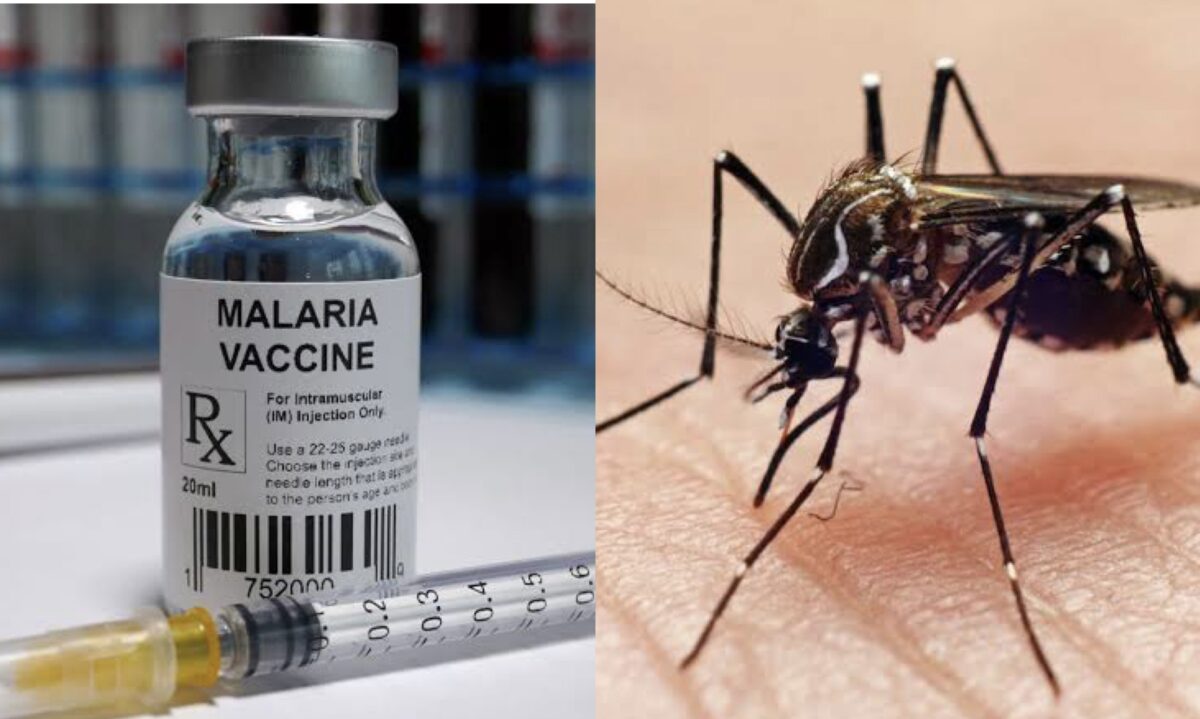
Meanwhile, the National Agency for Food and Drug Administration and Control (NAFDAC) in 2023, granted a provisional approval for the second malaria vaccine called R21/Matrix M malaria vaccine by researchers in Oxford University.
The provisional approval is premised on the need for the inclusion of Nigeria in the Phase IV clinical trial of the vaccine as this is expected to provide evidence for the performance of the vaccine in high malaria transmission setting.
However, the national coordinator, National Malaria Elimination Programme (NMEP), Dr. Godwin Ntadom, has said that malaria vaccine will be rolled out in Beyelsa and Kebbi states before the end of 2024.
Dr. Ntadom, who disclosed this on Tuesday at the NMEP Media Chat in Abuja, stated that the vaccine is new and the country has subscribed to it, adding that very soon, the vaccine will be rolled out in some states.
He said: “So far, only Cameroon and Kenya have have commenced the use of malaria vaccine. Nigeria will start the use in some states, starting with Kebbi and Bayelsa states and then extend it to other parts of the country.”
“Presently, Kebbi, Sokoto and Zamfara states have the highest burden of malaria in the country while Lagos and Kwara States have the lowest.”
On the country’s effort towards malaria elimination, Dr. Ntadom stated that there is a target of reducing malaria prevalence in the country to 10 percent by 2025, and to also ensure that malaria is no longer a public health challenge.
He noted that the malaria burden in country has reduced from the 27 percent in 2015 to 22 percent in 2021 and more likely to reduce in 2024 considering the efforts made towards reducing the burden.
“While working on the former strategy we have been using, we have deployed new strategies, we provide anti-malaria medicine, distribute treated mosquito nets and we have commenced seasonal malaria chemopreventive treatment especially in the north where malaria is prevalent and the mortality in the region has reduced as a result of the seasonal malaria intervention.
“The chemopreventive treatment is carried out in areas where rainfall is seasonal, malaria cases usually increase during the rainy season and we target that period. In other parts of the country, we distribute nets and ensure that children who are the vulnerable population and pregnant women get adequate treatment we have other interventions for pregnant women like the intermittent preventive treatment for pregnant women.
We’ve got the edge. Get real-time reports, breaking scoops, and exclusive angles delivered straight to your phone. Don’t settle for stale news. Join LEADERSHIP NEWS on WhatsApp for 24/7 updates →
Join Our WhatsApp Channel