
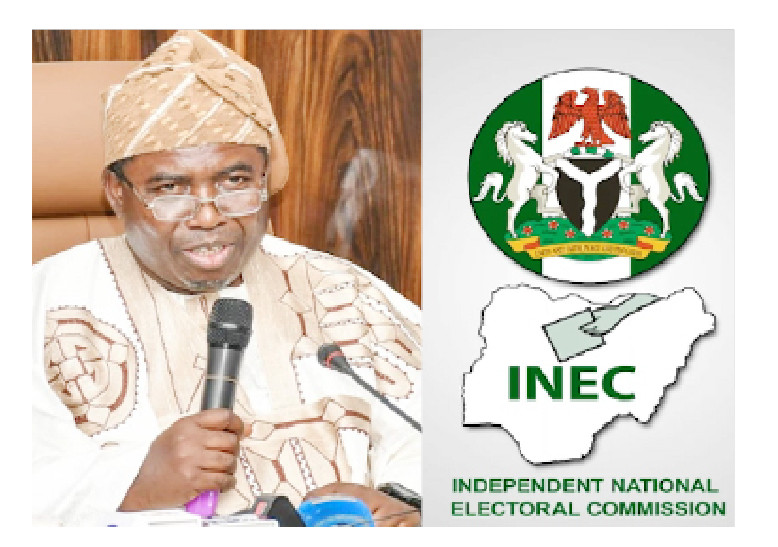
For many Nigerians, the ballot now raises doubts about credibility and transparency, with skepticism replacing confidence. Trust strained, the Independent National Electoral Commission (INEC) faces pressure to deliver reforms, ADEMU IDAKWO reports.
In a democracy, trust is the invisible thread that binds citizens to the ballot. Without it, even the most carefully conducted elections risk being questioned, dismissed, or ignored.
In Nigeria, that thread has, over the years, grown increasingly fragile, strained by recurring controversies, allegations of malpractice, logistical shortcomings, and a widening gap between electoral promises and public perception.
What was once assumed as a civic duty is increasingly viewed through a lens of doubt.
For the Independent National Electoral Commission (INEC), rebuilding that trust has become both an urgent necessity and a complex, long-term undertaking. The commission is now attempting a shift, not only in how it conducts elections, but also in how it engages Nigerians, communicates its processes, and responds to criticism in an era of heightened public scrutiny.
This challenge was underscored by the commission’s chairman, Professor Joash Amupitan, who recently acknowledged a significant “trust deficit” between the electoral body and the public, an admission that reflects concerns long expressed by observers, political actors, and voters alike.
Speaking during a meeting with the INEC Press Corps in Abuja, Amupitan called on the media to play a more active role in reshaping public perception and strengthening confidence in the electoral process.
He noted that while the commission is committed to transparency, such efforts must not only exist but also be clearly communicated to Nigerians in a way that builds understanding and trust.
According to him, the media remains a critical bridge between the institution and the over 200 million citizens it serves, a role that becomes even more significant in periods of public doubt. The engagement, which also featured press corps officials, including its chairman, Segun Ojumu, highlighted the importance of collaboration in addressing what many observers now describe as a deepening crisis of confidence in Nigeria’s democratic process.
Recent electoral exercises suggest cautious, if modest, movement in the right direction. In the Federal Capital Territory (FCT) area council elections, voter turnout rose from 9.4 percent in 2022 to about 15 percent in 2026.
While the increase may indicate a slight return of voter interest, it also underscores a more troubling reality: a significant majority of eligible voters continue to stay away from the polls, raising questions about the depth of public disengagement.
Speaking with LEADERSHIP Weekend, Wilfred Ifogah, Deputy Director of Publicity at the commission, cautioned against interpreting the FCT turnout as representative of broader electoral participation. He explained that many residents who are not indigenous often feel disconnected from local governance structures, which may influence their level of engagement. However, beyond demographic explanations lies a broader concern.
Participation is central to electoral credibility.
Elections, no matter how well organised, derive their legitimacy from citizens’ willingness to take part.
When turnout remains persistently low, questions inevitably arise, not only about the efficiency of the process, but also about the level of public trust in it.
In response, INEC appears to be adopting a more open posture. Ifogah noted that, in contrast to past practices often criticised as opaque, the commission has begun to publicly acknowledge its operational shortcomings, an approach aimed at fostering transparency.
He cited the FCT elections, where only about 45 percent of polling units opened by 8:30 a.m., with the remainder becoming operational closer to 10:30 a.m. While such disclosures may reflect a shift toward openness, they also highlight the operational gaps that continue to shape public perception.
Yet, transparency alone may not be sufficient.
Trust is not rebuilt through disclosure alone; it is earned through consistency, reliability, and demonstrable improvements over time.
For many Nigerians, years of disputed outcomes, delayed result transmissions, and conflicting official narratives have created a deep reservoir of skepticism, one that cannot be easily reversed by incremental reforms.
Another critical dimension of this trust deficit lies in communication. Ifogah revealed that the commission is reviewing its communication and information dissemination strategies in an effort to better engage the public.
In a fast-paced information environment, where misinformation can spread rapidly, INEC faces the challenge of ensuring that accurate, timely, and accessible information reaches voters before distorted narratives take hold.
Beyond communication and transparency is the deeper issue of voter psychology. Low turnout is not merely a logistical concern; it is often a reflection of disillusionment. In many urban centres, including the FCT, voters increasingly question the impact of local elections on their daily lives. This perceived disconnect, coupled with lingering doubts about whether votes truly count, continues to suppress participation.
The urgency of rebuilding trust is further amplified by Nigeria’s demanding electoral calendar. With the Electoral Act 2026 now in force, INEC is preparing for a series of high-stakes contests, including off-cycle governorship elections in Ekiti and Osun states, polls widely regarded as critical tests of the commission’s preparedness and credibility.
Beyond these, the country is set for the 2027 general elections, with presidential and National Assembly polls scheduled for January 16, followed by governorship and state assembly elections on February 6.
These timelines place the commission under sustained pressure to demonstrate not just readiness, but measurable improvement.
Amupitan, who succeeded Professor Mahmood Yakubu, has pledged to deliver free, fair, and inclusive elections during this period. However, as preparations intensify, a central question remains: will procedural improvements translate into renewed public confidence?
Ifogah maintained that the commission is committed to rebuilding trust through sustained stakeholder engagement, increased openness, and the consistent delivery of credible elections.
According to him, public confidence is likely to grow gradually as Nigerians begin to observe tangible improvements in the system.
Ultimately, the challenge confronting INEC extends beyond logistics or technology. It is, at its core, a question of belief, whether Nigerians can once again trust the electoral process enough to actively participate in it.
Progress, as recent indicators suggest, may be gradual. But in a democratic system where legitimacy rests on broad participation, the true measure of success will lie not only in how elections are conducted, but in how many citizens choose to take part.
For now, INEC’s journey toward restoring credibility remains ongoing, defined by a delicate balance between reform efforts and public skepticism, one election at a time.
Stakeholders React
According to Faith Nwadishi, Executive Director of the Centre for Transparency and Advocacy, there have been observable improvements in electoral processes, particularly in technological deployment. However, she argued that these gains have been undermined by political interference.
“We were all encouraged by the introduction of BVAS under the former chairman, Professor Mahmood Yakubu. Our confidence increased when it was effectively deployed during off-cycle elections in Edo, Osun, and Ekiti states. However, we were surprised that during the general elections, especially the presidential poll, it was either not fully utilised or allegedly manipulated.
That alone has damaged electoral integrity and contributed to the trust deficit,” she said.
In an interview with LEADERSHIP Weekend, Nwadishi noted that the challenges recorded during the 2023 presidential election significantly eroded public confidence in the electoral body.
“People are no longer interested in the electoral process because there is no confidence in it anymore,” she stated.
To rebuild trust ahead of future elections, she urged INEC to fully implement the provisions of the new electoral law, particularly in upcoming off-cycle polls.
She also called for stronger collaboration with civil society organisations and the National Orientation Agency to enhance voter education and reduce apathy.
“INEC should also recognise security agencies and the judiciary as critical stakeholders in the electoral value chain. Their roles are vital to the survival of democracy,” she added.
Nwadishi further recommended improved transparency in result collation, including granting electoral observers access to collation centres to enhance credibility. She also alleged that some security agencies have aided political actors in undermining the will of the people.
Civil society organisation Yiaga Africa echoed similar concerns, warning that declining public confidence could have serious implications for future elections.
Speaking on the issue, its Executive Director, Samson Itodo, stated that “more than half of Nigerians do not trust INEC… for several reasons,” citing citizens’ past electoral experiences.
He pointed to issues such as conflicting results, pre-filled result sheets, and the conduct of some electoral officials as factors that have weakened trust, noting that only about 45 percent of Nigerians express confidence in the commission’s ability to conduct credible elections.
Beyond highlighting these concerns, Itodo urged the commission to take concrete and sustained steps to rebuild public confidence, emphasising that restoring credibility is essential to strengthening Nigeria’s democracy.
He stressed that addressing the root causes of distrust, particularly past irregularities and transparency gaps, would be critical to reversing the current trend and reassuring voters ahead of future polls.
Opposition parties, including the People’s Democratic Party and the Labour Party Nigeria, have also consistently raised concerns about the credibility of Nigeria’s electoral process, citing transparency gaps and procedural lapses they say have eroded public trust in INEC.
Expert Perspective
Professor Ezekiel Major Adeyi of the University of Jos emphasised that trust and confidence are fundamental to building a sustainable democratic culture.
According to him, INEC must lead reforms by institutionalising honesty, transparency, and integrity-driven actions, while maintaining open and consistent communication with all electoral stakeholders.
He also called for broader dissemination of electoral laws through mass media and local languages, alongside sustained political education to improve public understanding of the process.
Adeyi, who spoke with our correspondent, noted that weak internal democracy within political parties and limited administrative knowledge among party leaders often complicate INEC’s responsibilities.
He further advocated stronger collaboration between the commission, civil society organisations, and the media, as well as timely funding and merit-based staff recruitment.
The professor warned against last-minute electoral preparations, stressing that adherence to clear timelines and effective implementation are essential for building public confidence. He also urged the judiciary to remain impartial and cautioned against politically influenced judgments, while calling for improved coordination with security agencies.
“INEC must not allow itself to be undermined by political actors who seek to subvert the rules. Such actions should be met with legal consequences,” he added.
We’ve got the edge. Get real-time reports, breaking scoops, and exclusive angles delivered straight to your phone. Don’t settle for stale news. Join LEADERSHIP NEWS on WhatsApp for 24/7 updates →
Join Our WhatsApp Channel