Every October 6, the world pauses—at least it should—to acknowledge the 50 million people living with cerebral palsy (CP). For many, it’s a day of reflection and pride; for others, a reminder of how far we still have to go.
World Cerebral Palsy Day isn’t about sympathy or token gestures—it’s about recognition, inclusion, and action. This year’s theme, “Unique and United,”captures something we often forget in the rush of daily life: that individuality and unity are not opposites, but partners. The CP community is diverse in ability, experience, and story—but it’s also bound together by a shared fight for visibility and dignity.
Cerebral palsy is the most common physical disability in childhood. It’s caused by abnormal brain development or damage to a developing brain that affects movement, posture, and muscle control.
According to the U.S. Centers for Disease Control and Prevention (CDC), it belongs to a group of disorders that affect a person’s ability to move and maintain balance. The American Academy of Pediatrics explains that children with CP often struggle to control their movement; some face additional challenges such as seizures, speech difficulties, or vision and hearing problems. The condition is lifelong, but with proper care, many people with CP live full, independent lives.
That’s the global picture. But in Nigeria, the reality looks very different. Thousands of children live with CP—most of them invisible to systems that should protect them. There’s no national registry, no official data. A study once estimated that about 3.5 in every 1,000 Nigerian children are affected.
A 2017 estimate by a University of Lagos professor suggested that around 700,000 people in the country live with the condition. Across Africa, the numbers vary between 0.8 and 10 per 1,000 children, depending on the region and available healthcare.
Behind these statistics are children whose futures depend almost entirely on whether they’re born into a family that can afford care—or one that can’t.
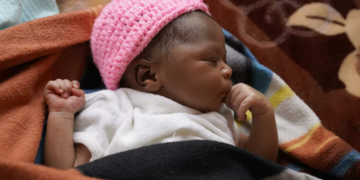
The reasons are complex, but preventable. In Nigeria, CP is often linked to conditions like birth asphyxia (when a baby doesn’t get enough oxygen at birth) and untreated neonatal jaundice. These are not inevitable tragedies—they’re signs of weak healthcare systems, poor maternal care, and a lack of trained medical staff in rural areas.
When early intervention fails, disability becomes a lifelong struggle instead of a manageable condition. The heartbreak is that so much of this suffering could have been prevented with timely attention and basic medical care.
And even after diagnosis, the road is long. Physiotherapy, occupational therapy, and assistive devices can make a huge difference—but they cost money most families simply don’t have. Public hospitals often lack specialised staff or equipment. Schools remain ill-equipped to accommodate children with physical disabilities, forcing many families to keep their children at home. Those who do attend school face physical barriers, social stigma, and sometimes outright exclusion.
For parents—especially mothers—the emotional and financial burden is enormous. Many quit their jobs to become full-time caregivers. In communities where superstition still thrives, some face blame or isolation. The problem isn’t only medical; it’s cultural, economic, and moral.
Cerebral palsy does not rob a person of worth. What does that, instead, is a society’s refusal to see them as equals. In Nigeria, disability still carries shame, and awareness campaigns are too few and far between. This is where World Cerebral Palsy Day matters most—not as a one-day social media event, but as a moment to challenge deep-seated stigma. To say, publicly and without hesitation, that difference is not deficiency.
In our opinion,what’s missing isn’t compassion—it’s commitment. Real inclusion starts with data. Without a national CP registry, policymakers are guessing in the dark. Without accurate numbers, budgets can’t reflect reality. And without proper training, teachers and healthcare workers can’t provide the kind of support that helps children with CP thrive. It’s a cycle of neglect disguised as ignorance.
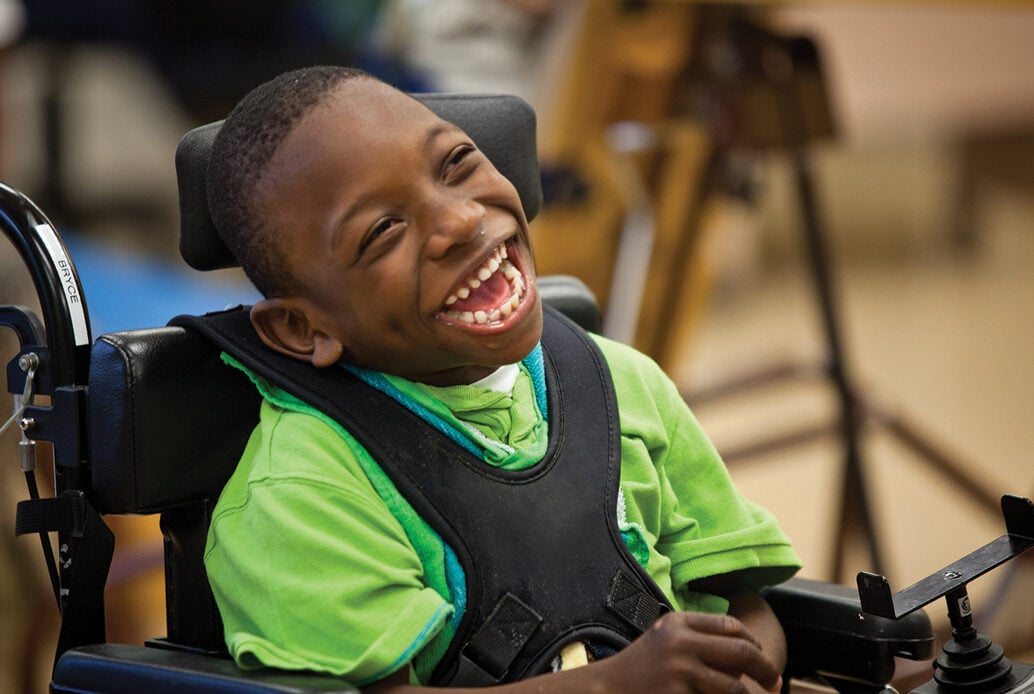
Yet, there’s reason for hope. Across Nigeria, young adults with cerebral palsy are slowly beginning to claim space—online, in universities, in advocacy circles. Social media has given them a platform to tell their own stories, to show that CP is not a tragedy but a condition that can coexist with ambition, talent, and joy. Each story chips away at the silence that has kept so many others in the shadows.
This year’s theme, “Unique and United,” couldn’t be more fitting. It reminds us that while every person with cerebral palsy is different—different challenges, different strengths—they are bound by a shared humanity that demands respect and inclusion.
The CP community doesn’t need pity. It needs access. To healthcare. To education. To employment. To public spaces that aren’t built like obstacle courses. To a country that sees them as part of its future, not as a problem to be managed quietly.
We’ve got the edge. Get real-time reports, breaking scoops, and exclusive angles delivered straight to your phone. Don’t settle for stale news. Join LEADERSHIP NEWS on WhatsApp for 24/7 updates →
Join Our WhatsApp Channel