In a country where faith shapes daily life—in markets, classrooms, offices, and streets—the December season arrives with a familiar rhythm: lights, carols, family gatherings, and a quiet invitation to reflection. For Muslims in Nigeria, Christmas presents a moment to respond with deliberation and grace, to honour the human fraternity that binds us while remaining true to the central tenets of Islam: Tauheed, the oneness of Allah, and reverence for Jesus (peace be upon him) within a clearly defined creed.
The theological compass is clear. Tauheed grounds Islam in the belief that God alone is indivisible and supreme. To attribute divinity or a sonship to Jesus or to any other creature runs counter to this foundation. Yet the Muslim approach to Christmas is not a withdrawal from social life or a retreat from the broader city of humanity; it is a call to engage with gentleness, clarity, and integrity. Jesus is honoured in Islam as a prophet and messenger, born of the Virgin Mary, whose message and example invite respect, moral reflection, and a sense of shared humanity. The majority of classical and contemporary scholars emphasise that interfaith engagement—especially within Nigeria’s plural society—can be both civil and constructive. Islam permits, and even encourages, involvement in charitable acts, civic dialogue, and neighbourly goodwill, provided that core Islamic beliefs remain unaltered.
How, then, should Muslims in Nigeria relate to Christians during Christmas in a manner consistent with their faith? The answer rests on balance: a sure-footed commitment to Tauheed paired with an open-hearted hospitality that honours shared human values without surrendering doctrinal boundaries.
First, the question of framing. There exists common ground in the virtues of compassion, generosity, hospitality, and the spirit of giving. These are not peculiar to one faith tradition; they are the ancient currency of a compassionate society. Muslims may participate in social fellowship and communal activities, provided they distinguish belief from practice. Friendship and civility do not equate to endorsement of beliefs that contravene Islamic monotheism. In all discourse, intention matters. When discussing theological differences, speak with reverence and clarity, maintaining the integrity of one’s faith while extending courtesy to others.
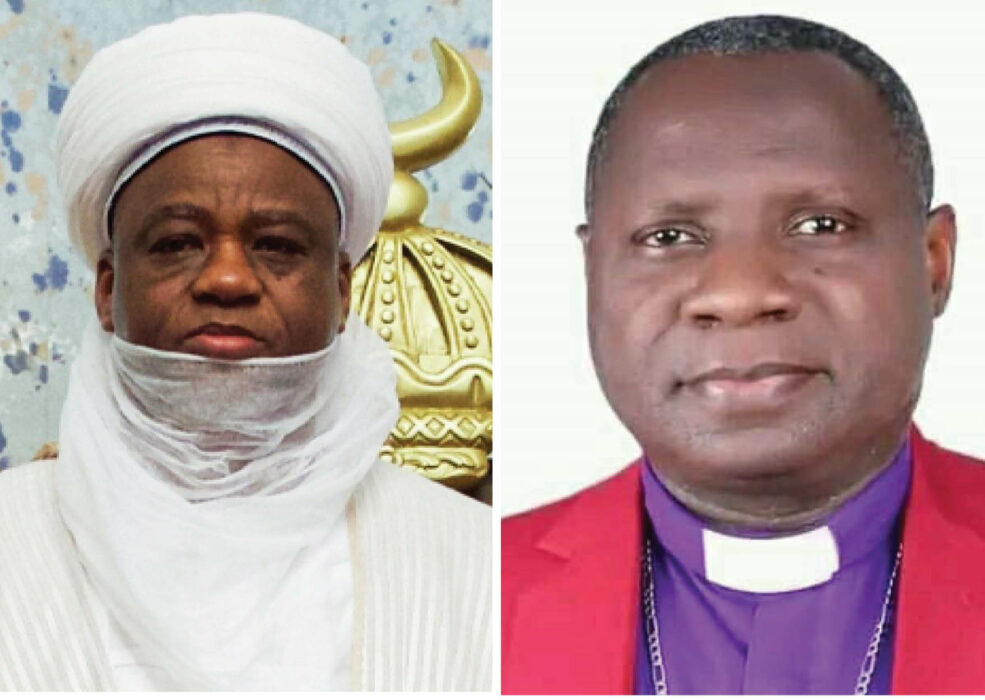
Interfaith dialogue, far from being a mere convenience, becomes a lived practice. The Abrahamic Mission, for instance, is a weekly programme on NTA in which clerics from Christianity and Islam are invited to present issues from their religious perspectives, thereby enhancing interfaith trust and mutual respect. In these settings, Muslims can articulate perspectives on Christmas, Jesus, and the oneness of God, while listening attentively to Christian neighbours’ experiences and convictions. Public courtesy—greeting neighbours, sharing in festive moments of civic life, listening with patience—builds trust and mutual regard. There is room for mutual accountability: communities can uphold the values of peaceful coexistence, charity, and nondiscrimination, especially in public spaces during the festive season.
The theological chorus, carefully voiced in public spaces, should foreground Tauheed. Islam recognises Jesus as a Prophet, not a divine figure, and remains steadfast in its declaration of the oneness of God. Public expression of these beliefs can accompany statements about shared values and mutual respect, without engaging in polemics. The Prophet Muhammad’s guidance on kindness, fairness, and considerate conduct toward all people—regardless of faith—offers a practical ethic for interfaith relations during Christmas and beyond.
Hospitality, the offering and receiving of food, poses particular questions. Islam places a high premium on generous hospitality. Accepting food from Christian friends and neighbours need not imply agreement with their beliefs; it can be a sign of goodwill in a plural society. The halal status of the meal is the decisive criterion: Muslims should ensure the food is halal and free of haram ingredients. When there is uncertainty about ingredients or preparation, it is prudent to inquire politely or to decline with appreciation. Alcohol, cross-contamination with non-halal methods, or doubtful ingredients must be avoided. If uncertainty persists, offering alternative dishes prepared in accordance with halal guidelines becomes a gracious bridge between hospitality and faith.
Participating in communal meals during Christmas is entirely feasible within Islamic boundaries. Muslims may join the shared meal, enjoying permissible dishes and focusing on gratitude, fellowship, and the moral dimensions of the gathering rather than on theological accord. Personal boundaries remain legitimate: one may decline portions or dishes if concerns arise about ingredients or processing methods, and one should express sincere thanks for the invitation. If a dish conflicts with Islamic dietary law—such as alcohol-based sauces or non-halal meat—polite explanation and the choosing of alternatives can preserve harmony without compromising faith.
In Nigerian neighbourhoods, practical etiquette matters. Courtesy and mutual respect form the fabric of everyday life. Hospitality should be acknowledged with warmth, conversations conducted with tact, and debates avoided in social meals. Earthly common goods—charity, service to the vulnerable, and community welfare projects—offer concrete avenues for interfaith collaboration that strengthen the social fabric. Labelling dishes to indicate halal options can help Muslim guests participate with confidence, while hosts demonstrate thoughtful care for their diverse guests.
The aim is not division but dignified integrity. Muslims are called to articulate their creed with clarity, not as a weapon but as a compass. Public discussions should be conducted calmly and confidently, presenting Islamic perspectives without hostile rhetoric. In this light, interfaith relations become a practice of faithful citizenship: Muslims and Christians working side by side in charitable endeavours, civic projects, schools, and workplaces, thereby strengthening Nigeria’s shared life.
I have enjoyed participating in the Abrahamic Mission on NTA and in Imam Fuad Adeyemi’s role as anchor. At this weekly gathering, clerics from Christianity and Islam present their perspectives. These engagements, conducted in a spirit of courtesy and curiosity, illuminate how disciplined, respectful dialogue can translate into tangible benefits for Nigeria: greater trust across faith communities, more effective collaboration on charitable and civic projects, and a more inclusive public sphere where every citizen feels seen and valued. Such engagements, I contend, are not merely rhetorical exercises but practical steps toward building a better Nigeria for all.
In closing, December’s lights illuminate more than storefronts and street corners; they illuminate the possibility of balanced living. Muslims can greet Christians with warmth, acknowledge their celebrations with respect, and receive or offer food within halal boundaries, all while preserving the distinctive heart of Islam. The journey is one of quiet resilience: to be gracious neighbours, to witness to one’s faith with humility and clarity, and to participate in the good of the commonwealth without surrendering doctrinal integrity. May our conversations be guided by wisdom, our actions by mercy, and our coexistence by a steadfast faith that unites our plural society in peace.
We’ve got the edge. Get real-time reports, breaking scoops, and exclusive angles delivered straight to your phone. Don’t settle for stale news. Join LEADERSHIP NEWS on WhatsApp for 24/7 updates →
Join Our WhatsApp Channel