Economic analysts have warned that sustained geopolitical tensions involving Iran, Israel, and the United States are keeping oil markets volatile, triggering a wave of uncertainty already feeding into inflation, currency instability, and slowing investment across housing, infrastructure, and construction in emerging economies.
The war in the Middle East has pushed fuel prices sharply upward, creating operational challenges at construction sites and raising concerns for diesel-dependent activities across the industry.
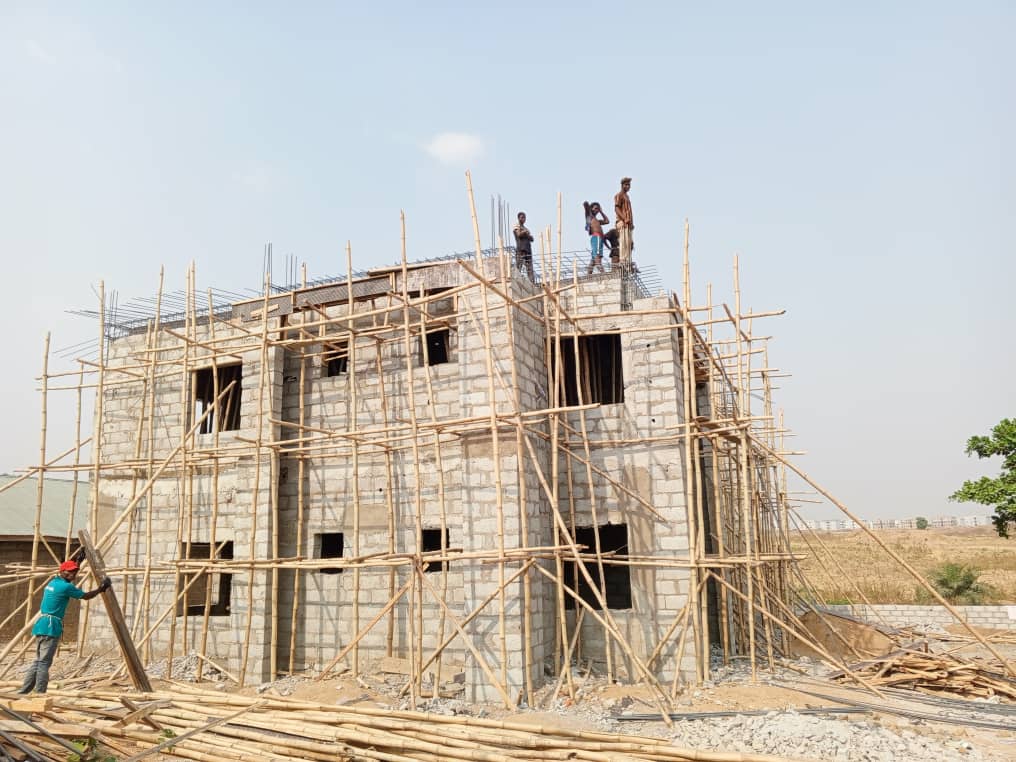
The ongoing conflict has also driven up the cost of critical building materials such as PVC, plastic pipes, cables, and reinforcement rods, with inventory prices surging by as much as 40 per cent.
For Nigeria and Ghana, West Africa’s two largest economies, the implications are profound as both countries head into a defining economic period in 2026.
Prolonged disruptions around the Strait of Hormuz are rippling through global energy markets, compounding long-standing domestic vulnerabilities and extending the impact far beyond energy into housing, infrastructure, fiscal stability, and overall economic growth.
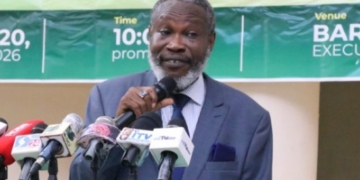
Real estate analyst and chairman of the Association of Capital Markets Valuers (ACMV), Chudi Ubosi, said both economies are entering this period from structurally fragile positions.
“We are dealing with economies where demand is strong, but the systems required to efficiently meet that demand are still underdeveloped,” he said.
In Nigeria, a housing deficit of 20-28 million units underscores deep inefficiencies in land administration, financing, and construction systems. Ghana, though smaller, faces similar pressures driven by rapid urbanisation, high building costs, and limited access to long-term housing finance.
Rapid urban population growth continues to intensify demand in major cities such as Lagos, Abuja, and Accra, placing additional strain on housing supply, transportation systems, and basic infrastructure. However, Ubosi stressed that demand itself is not the primary challenge.
“The real constraint is structural. The market is not lacking buyers; it is lacking efficiency, affordability frameworks, and scalable delivery systems,” he noted.
The Hormuz crisis, he explained, is amplifying these weaknesses. As one of the world’s most critical oil transit routes remains under pressure, global crude prices have become increasingly sensitive to geopolitical developments.
“The Strait of Hormuz situation is not just a distant geopolitical issue; it has direct consequences for domestic economies like Nigeria and Ghana,” Ubosi said.
“Energy price volatility feeds into construction, logistics, and ultimately the cost of living.”
While higher oil prices could boost export revenues for producers like Nigeria, both countries remain heavily exposed to the downstream effects of rising energy costs.
Ubosi noted that increases in fuel prices are cascading through global economies, with diesel and petrol, key inputs for transportation, power generation, and construction, becoming significantly more expensive, thereby driving up the cost of goods and services.
For the real estate sector, this translates directly into higher construction costs, project delays, and reduced supply.
“Developers are now operating in an environment where cost assumptions can change within months,” he explained. “If you don’t lock in supply chains early or hedge against volatility, projects can quickly become unviable.”
He further warned that currency pressures are compounding the situation, as heightened global uncertainty often drives capital away from emerging markets, weakening currencies such as the naira and the cedi.
“A weaker currency means higher costs for imported materials, and that feeds straight into housing prices,” Ubosi said. “It’s one of the biggest risks developers must manage in 2026.”
At the household level, affordability is fast becoming the central constraint, with rising fuel and food prices eroding disposable incomes and forcing consumers to reassess spending priorities.
“Buyers are no longer making decisions based on aesthetics alone,” he noted. “They are looking at total living costs, transport, utilities, and sustainability. and that shift is redefining demand.”
This shift is expected to reshape housing markets in both countries, with mid-market and affordable housing segments likely to dominate activity, while premium developments may struggle with slower sales and lower occupancy rates.
“The middle market will drive transactions in 2026. Developments that align with real income levels will outperform, while overpriced projects will face resistance regardless of how they are positioned,” he added.
Financing constraints remain a major bottleneck, with mortgage penetration still extremely low in both countries, limiting access to homeownership and forcing developers to rely on equity or short-term funding.
“In a risk-heavy environment, capital becomes selective,” Ubosi explained. “Investors are prioritising structure over speculation—clear documentation, phased execution, and realistic pricing models are now essential.”
The broader macroeconomic environment reinforces this cautious outlook. Nigeria and Ghana are both undergoing economic adjustments, with policy reforms aimed at stabilising their economies, albeit alongside high interest rates and constrained liquidity.
Infrastructure also continues to play a decisive role. Projects located in areas with reliable power, transport links, and water supply are expected to perform better, particularly as rising energy costs make self-sufficiency more expensive.
“Location is no longer just about prestige; it’s about efficiency,” he said. “Access to infrastructure can significantly reduce the cost of living, and that’s what buyers are prioritising.”
Analysts emphasised that government intervention will be critical in navigating the current pressures, pointing to the need for accelerated reforms in land administration, housing finance, and infrastructure investment.
“Policy support will determine how well these markets navigate the current pressures,” Ubosi said. “Without structural reforms, the same bottlenecks will continue to limit growth.”
For investors, he stressed, caution and discipline will define success in 2026.
“There is a clear shift toward income-generating assets and credible operators. The market is rewarding fundamentals, not speculation,” he added.
As the Strait of Hormuz crisis continues to shape global economic conditions, Nigeria and Ghana face a critical test. The interaction between external shocks and entrenched structural challenges is creating a high-stakes environment for both economies.
“2026 is a defining year,” Ubosi concluded. “The decisions made now, by government, investors, and developers, will determine whether these markets become more resilient or remain constrained by longstanding structural issues.”
We’ve got the edge. Get real-time reports, breaking scoops, and exclusive angles delivered straight to your phone. Don’t settle for stale news. Join LEADERSHIP NEWS on WhatsApp for 24/7 updates →
Join Our WhatsApp Channel