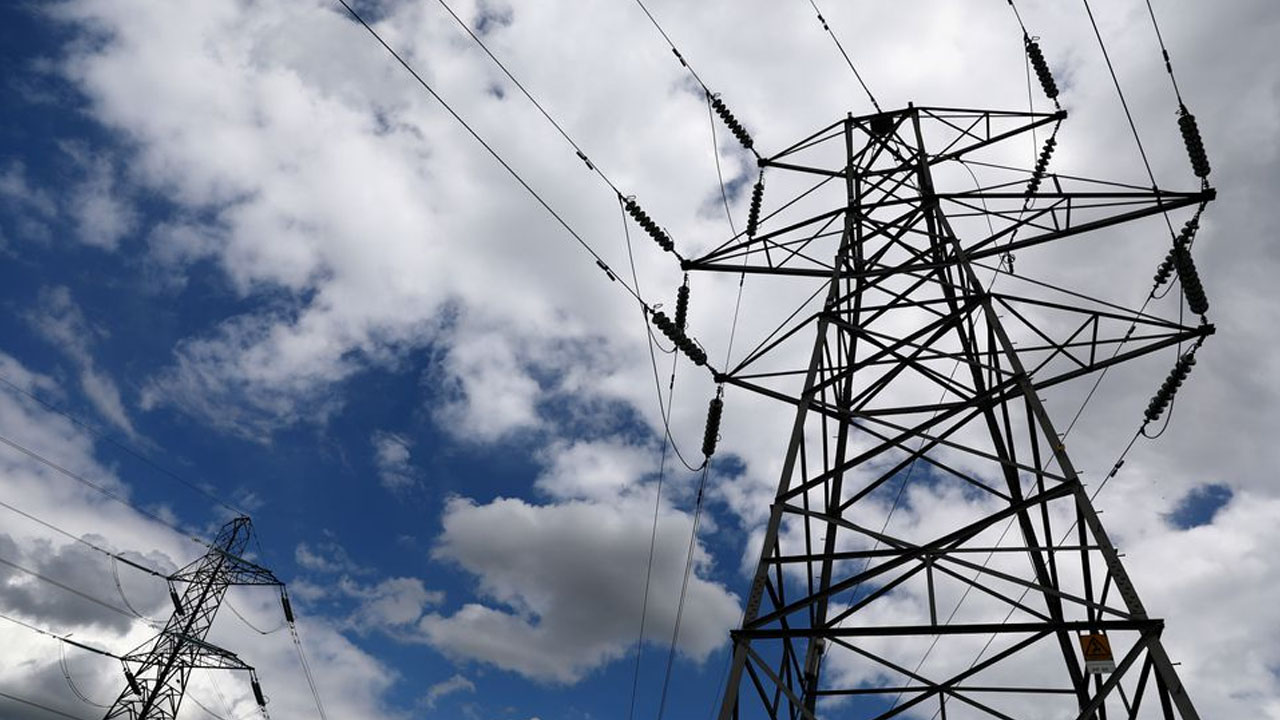
Nigeria’s electricity Distribution Companies (DisCos) recorded an N80.49 billion collection shortfall in February 2026, according to a report from the Nigerian Electricity Regulatory Commission (NERC).
According to NERC’s February factsheet on DisCos’ commercial performance, the 11 companies received N277.09 billion worth of electricity from the national grid.
According to the report published on the commission’s official X handle, data from the regulator showed that total energy received by the 11 DisCos increased by 17.64 per cent from January’s N235.53bn.
But the DisCos billed customers N242.29 billion and collected only N196.68 billion.
This reflected a collection efficiency of 81.17 per cent and a billing efficiency of 87.44 per cent. Average recovery efficiency across all DisCos was 80.67 per cent.
The report also detailed a reduction in government subsidies to N24.03 per unit from N38.33 in January—a N14.30 drop. Customers paid an average of N100.27 per unit against an allowed tariff of N124.30.
The commission further highlighted gains in tariff realisation, stating that “the actual average collection per kilowatt-hour increased to N100.27, representing a 16.64 per cent improvement compared to January 2026.”
This, it said, pushed recovery performance upward, noting that “overall revenue recovery efficiency rose to 80.67 per cent, an increase of 11.51 percentage points month-on-month.”
This, it said, pushed recovery performance upward, noting that “overall revenue recovery efficiency rose to 80.67 per cent, an increase of 11.51 percentage points month-on-month.”
On revenue collection, the report stated that “the total revenue collected by DisCos in February 2026 was N196.68bn, representing a decline of 3.94 per cent compared to January.”
It, however, emphasised that “collection efficiency improved to 81.17 per cent, up by 4.84 percentage points, indicating better conversion of billed energy into cash collections.”
The commission further highlighted gains in tariff realisation, stating that “the actual average collection per kilowatt-hour increased to N100.27, representing a 16.64 per cent improvement compared to January 2026.”
This, it said, pushed recovery performance upward, noting that “overall revenue recovery efficiency rose to 80.67 per cent, an increase of 11.51 percentage points month-on-month.”
The report added that “the allowed average tariff for the period was N124.30/kWh, indicating that a gap still exists between cost-reflective tariffs and actual collections.”
Providing a breakdown across utilities, the Commission stated that “Eko, Kano, and Abuja DisCos recorded the highest billing efficiencies at 97.20 per cent, 99.04 per cent, and 93.70 per cent, respectively.”
Conversely, it noted that “Yola and Kaduna DisCos recorded the lowest billing efficiencies at 66.09 per cent and 72.46 per cent respectively.”
On collections, the report said “Eko DisCo led with 94.12 per cent collection efficiency, followed by Abuja at 89.28 per cent,” while “Kaduna DisCo recorded the lowest collection efficiency at 49.27 per cent.”
In terms of cost recovery, the commission disclosed that “Eko DisCo achieved a recovery efficiency of 100.67 per cent, exceeding the allowed tariff benchmark,” while “Kaduna DisCo recorded the weakest recovery performance at 41.20 per cent.”
An analysis of the figures shows that compared to January, energy received rose by N41.56bn (17.64 per cent), Billings fell by N25.79bn (9.66 per cent), and Collections declined by N8.09bn (3.94 per cent).
This indicates that although DisCos are becoming more efficient operationally, the sector is still grappling with weak demand, collection losses, and customer liquidity constraints.
The commission also disclosed that “reduced ATC&C loss targets averaging 16.64 per cent have been approved for 2026 to reflect the expected impact of DisCo investments made in 2025.”
It added that the February performance “demonstrates gradual improvements in commercial efficiency, though significant gaps remain in revenue realisation across the industry.”
The development underscores a persistent contradiction in Nigeria’s power sector: efficiency improvements have yet to translate into financial stability.
We’ve got the edge. Get real-time reports, breaking scoops, and exclusive angles delivered straight to your phone. Don’t settle for stale news. Join LEADERSHIP NEWS on WhatsApp for 24/7 updates →
Join Our WhatsApp Channel