Every dry season in Nigeria ushers in not just dusty winds and rising temperatures, but a deadly and often under-recognised threat.
Lassa fever continues to burden the country’s health system, claiming lives largely in rural and underserved communities. First detected in the town of Lassa in today’s Borno State, the disease has become deeply entrenched in the nation’s epidemiological landscape, with outbreaks typically peaking between November and April each year.
Lassa fever is an acute viral haemorrhagic illness caused by the Lassa virus, an arenavirus endemic to several West African countries, including Nigeria, Sierra Leone, Liberia, Guinea, Benin, Ghana, Mali, and Togo.
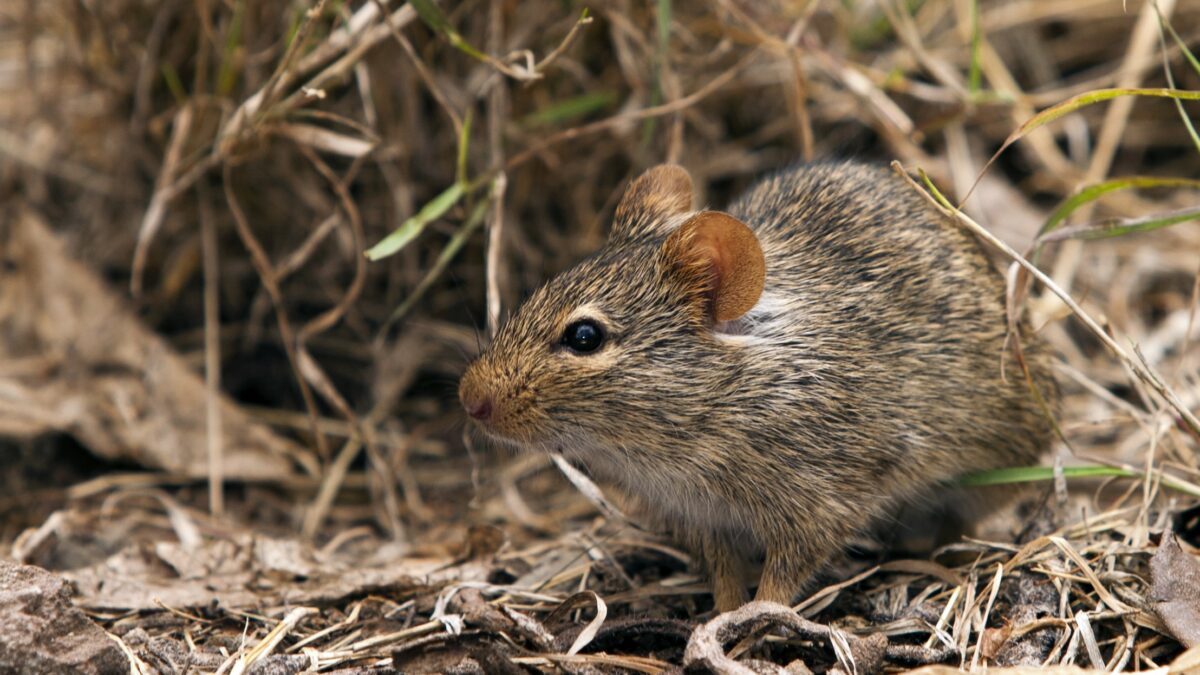
The disease is primarily transmitted through contact with food or household items contaminated by the urine or faeces of Mastomys rats. Human-to-human transmission is also possible through bodily fluids such as blood, urine, faeces, and even sexual contact.
According to the World Health Organisation (WHO), around 80 per cent of infections present with mild symptoms such as fever, tiredness, sore throat, cough, and headaches.
However, the remaining 20 per cent can rapidly progress into severe, life-threatening conditions including persistent vomiting or diarrhoea, chest or abdominal pain, difficulty breathing, bleeding from mucous membranes, confusion, or seizures.
Experts emphasise early treatment with Ribavirin, which is most effective when administered at the onset of symptoms, adding that delayed treatment drastically reduces its efficacy, heightening fatality risks, particularly for pregnant women and immunocompromised individuals.
The Nigeria Centre for Disease Control and Prevention (NCDC) also warns against self-medication, reminding Nigerians that not all fevers are malaria.
NCDC, in its epidemiological week five of 2026 reported that Nigeria had recorded 44 confirmed Lassa fever cases and six deaths.. The infections were detected across seven states: Bauchi, Ondo, Taraba, Edo, Plateau, Benue, and Ebonyi.
Between weeks one and five, the country recorded 31 deaths, reflecting a Case Fatality Rate (CFR) of 18.8 per cent, slightly lower than the 19.6 per cen recorded in the same period in 2025.
According to the report, nine states have reported at least one confirmed case across 33 local government areas, demonstrating the disease’s persistent spread.
The report also showed that five states continue to drive the country’s burden, accounting for 92 percent of infections: Bauchi – 47 per cent Ondo – 18 per cent
Taraba – 14 per cent, Edo – 8 per cent and Plateau – 5 per cent.
To bolster coordination and response, NCDC said it has activated the National Lassa Fever Multi-Partner, Multi-Sectoral Incident Management System (IMS).
The director-general of NCDC, Dr Jide Idris, stressed that prevention relies heavily on personal hygiene, environmental cleanliness, and community awareness. He advised Nigerians to seal holes and entry points to keep rodents out, store food in airtight containers, avoid drying food on bare ground, properly cover waste bins and dispose of waste regularly, establish community dump sites away from homes, use traps and safe methods to eliminate rodents.
The Minister of Health and Social Welfare, Prof. Ali Pate, previously revealed that the federal government was working toward developing a locally produced Lassa fever vaccine. A national task force, chaired by the NCDC, was inaugurated in November 2024 to lead the initiative.
According to the minister, the government is committed to ensuring that future vaccines are manufactured domestically, proven safe and effective, and accessible to Nigerians.
“Our goal is to reach a point where no Nigerian loses their life to Lassa fever, especially our frontline health workers,” Pate said.
We’ve got the edge. Get real-time reports, breaking scoops, and exclusive angles delivered straight to your phone. Don’t settle for stale news. Join LEADERSHIP NEWS on WhatsApp for 24/7 updates →
Join Our WhatsApp Channel