Health authorities in Nigeria, claim that malaria accounts for 60 per cent of outpatient visits to hospitals, 11 per cent of maternal mortality and 23 per cent of child mortality, especially among children less than five years. This also accounts for an estimated monetary loss of N410 billion ($700 million) in treatment costs, prevention, and other indirect costs.
According to experts, in 2021 alone, malaria killed no fewer than 200,000 Nigerians and afflicted 61 million others. Nigeria accounts for about 31.9 per cent of the global malaria deaths.
It’s against this backdrop that we welcome the newly inaugurated National End Malaria Council chaired by the president of Dangote Group, Aliko Dangote. This concerted strategy to tackle malaria has both public and socio-economic benefits for the country. This is also aside from improving the quality of life, health and wellbeing of Nigerians.
Part of the agenda of the Malaria Council is to advocate more funding for prevention and treatment of malaria, and sustenance of the progress made so far by the Nigerian government. It is hoped that this latest effort will place the country on a pathway to ending malaria for good.
While inaugurating the 16-member council, President Muhammadu Buhari said the successful implementation of the council’s agenda will save Nigeria the estimated economic burden of the disease which ranges between N687 billion in 2022 and N2 trillion by 2030.
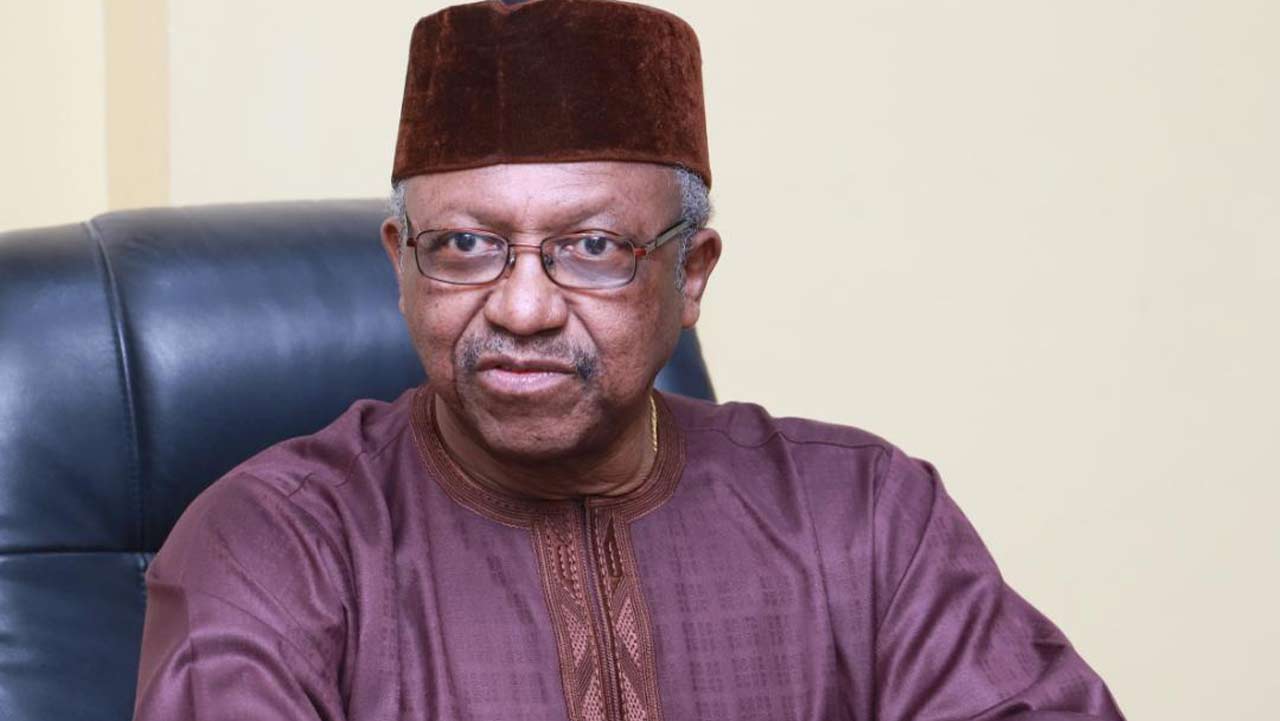
The council members include: Aliko Dangote, Health Minister, Dr. Osagie Ehanire, Ekiti state governor, Kayode Fayemi, Chairman of UBA, Tony Elumelu, Folorunsho Alakija, Femi Otedola, Shehu Ibrahim, Sen. Yahaya Oloriegbe, Abubakar Dahiru, Mahmuda Mamman, Herbert Wigwe, Hajiya Lami Lau, His Eminence, John Cardinal Onaiyekan, Rafiyat Sanni, Dr. Perpetua Uhomoibhi.
In the opinion of this newspaper, the urgent task before the Malaria Council will be to scale up innovation and deployment of new tools in the fight against malaria, while advocating equitable access to malaria prevention and treatment, within the context of building health system resilience.
The truth which must be told is that despite the successes recorded with the new malaria vaccine, no single tool is available today that will solve the menace of malaria. It will, therefore, require a combination of strategies, including use of existing control and preventive measures, as well as development of new tools, to ultimately eliminate the disease that is a major health hazard.
This is also the reason why the World Health Organisation (WHO) has called for investments and innovation that bring new vector control approaches, diagnostics, anti-malarial medicines and other tools to speed up the pace of progress against the parasite that causes the disease.
WHO, in its opinion, lamented that despite steady advances in lowering the global burden of malaria between 2000 and 2015, progress has slowed or stalled in recent years, particularly in high burden countries in sub-Saharan Africa. It also noted that urgent and concerted action is needed to set the world back on a trajectory toward achieving the 2030 targets of the global malaria strategy.
In our view, it may be pertinent to approach the presence of a vaccine with cautious optimism. We make this point because the vaccine, according to experts, may also not be sufficient to eliminate malaria. In their expert opinion, the vaccine is about 39 per cent effective at first dose and efficacy wanes with time.
Therefore, it is unlikely that malaria will be eliminated without vaccine because in recent years, there has not been a significant reduction in morbidity and mortality, especially in areas where malaria is endemic despite the preventive and treatment measures that have been in place for years.
Although people in endemic regions develop immunity to the disease in adulthood, they are not immune to infection and therefore the spread of the parasite is inevitable. Unless a vaccine that is able to always prevent infection is developed and backed up with 100 per cent uptake, it is most unlikely that the current vaccines would be able to eliminate malaria.
It is also important to bear in mind that malaria vaccines are developed to reduce disease and death, but not eliminate it completely. Landmark recommendations on the use of the first vaccine against malaria, RTS, S/AS01 (trade name Mosquirix), a recombinant protein-based malaria vaccine, were released by WHO late last year. The vaccine is used to prevent malaria among children aged six months to five years, who live in moderate to high transmission settings.
It is our hope that Aliko Dangote will use his current role as the Nigerian Ambassador for Malaria on the Global End Malaria Council, and with the support of his Foundation, to mobilise the private sector to support malaria control in Nigeria. We expect members of the National End Malaria Council to bring their status to bear on this goal of ending malaria. Malaria elimination should remain a priority on their agenda.
We’ve got the edge. Get real-time reports, breaking scoops, and exclusive angles delivered straight to your phone. Don’t settle for stale news. Join LEADERSHIP NEWS on WhatsApp for 24/7 updates →
Join Our WhatsApp Channel