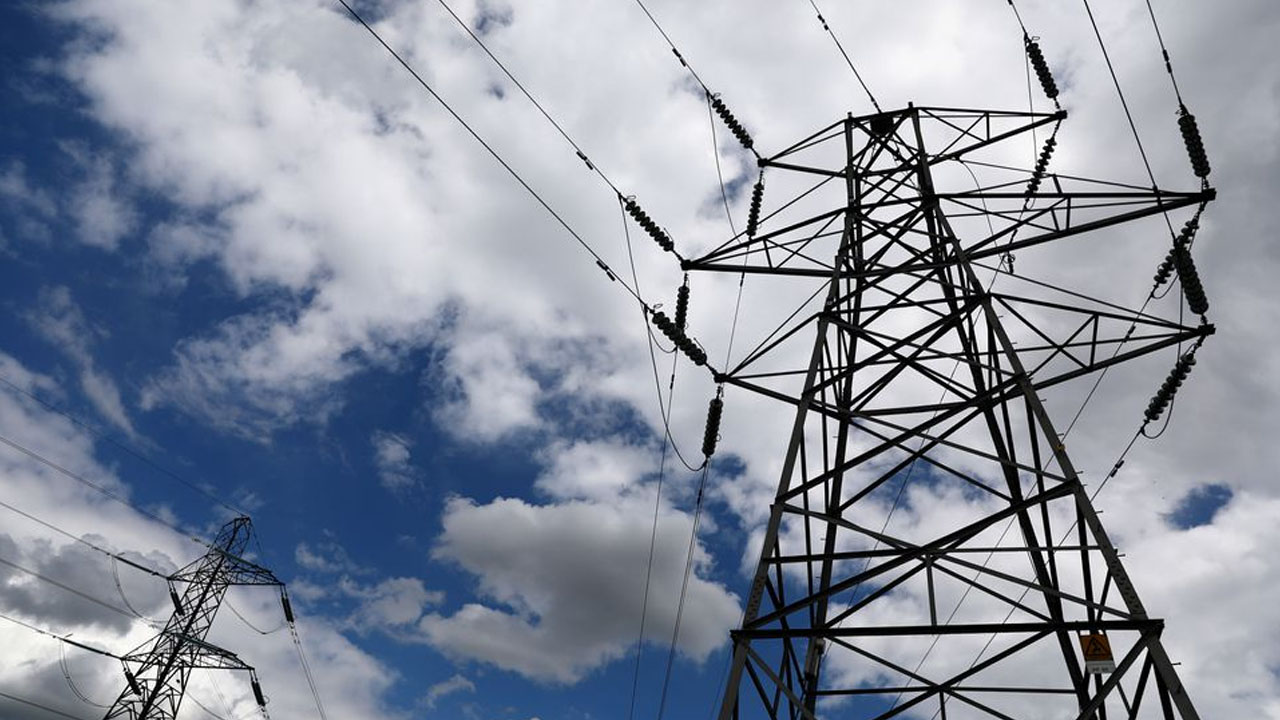
Recently, and for the umpteenth time, Nigerians were plunged into darkness as the national grid system experienced its second collapse in just three weeks.
This disappointing occurrence raised questions regarding this persistent issue that has plagued the nation for years – unstable and unreliable power supply.
In the considered opinion of this newspaper, the recurring collapse of the nation’s power grid ought to give Nigerians and, in particular, the powers that be, real cause for concern. Fundamentally, it raises questions about the government’s ability to address this challenge which has consistently impacted negatively on national economic development.
It was not too long ago that the Transmission Company of Nigeria (TCN )proudly announced over 400 consecutive days of uninterrupted grid stability, offering a glimmer of hope to a nation accustomed to enduring power outages.
However, this optimism was short-lived, as the grid faltered not long after. This latest collapse adds to a troubling statistic: in 2022 alone, the national grid collapsed eight times, reflecting a longstanding issue that successive administrations have been unable to resolve.
It is pertinent to note that the national grid collapsed 98 times under the administration of former President Muhammadu Buhari, despite the over N1.51 trillion intervention in the sector by the Federal Government since the administration came on board in 2015.
One cannot help but ponder how a country with a population of over 200 million people is generating a mere 5,000 megawatts (MW) of electricity.
To put this in perspective, South Africa, with a population of 59.39 million, generates a staggering 58,095 MW, while Egypt, with a population of 109 million, produces over 59,000 MW. Nigeria’s power generation falls far short of its potential, hindering economic growth and development.
The current Minister of Power, Adebayo Adelabu, has set an ambitious goal of increasing the national grid’s capacity to 20,000 MW in the next three years. This is a laudable objective, given that the sector’s greatest challenges are reliability and ensuring universal access to power, especially for underserved communities.
However, achieving this goal will require a comprehensive and sustained effort, as well as addressing the root causes of the power crisis.
One cannot discuss Nigeria’s power problems without mentioning the Siemens deal, a project that held promise for improving the country’s power infrastructure. The Siemens deal, which aimed to upgrade and modernize the power sector, was seen as a potential game-changer. However, questions linger about the status and progress of this initiative. Nigerians are rightfully asking what happened to this much-anticipated solution.
The power crisis in Nigeria is not solely an issue of government policy; it has real and tangible effects on the lives of everyday Nigerians. Business owners are forced to spend exorbitant sums on buying, fueling and maintaining generators, a cost that is invariably passed on to consumers.
This additional financial burden further strains an already fragile economy, making it imperative to find a sustainable solution to the power problem.
So, why have successive administrations failed to address these power outages effectively? The answer is multifaceted. It includes a combination of inadequate investment in infrastructure, mismanagement of resources, and a lack of transparency and accountability in the power sector. Corruption and bureaucratic inefficiencies have also hindered progress.
RELATED: National Grid Collapses 46 Times From 2017 To 2022 – TCN
To solve the power crisis in Nigeria, a holistic approach is required. We strongly suggest a significant investment in power generation, transmission, and distribution infrastructure. The government must prioritise the rehabilitation and expansion of the power grid to ensure it can meet the growing demand for electricity.
Secondly, there must be transparency in the management of funds allocated to the power sector. Corruption at all levels must be eradicated to ensure that resources are used efficiently.
Thirdly,Nigeria should explore alternative energy sources, such as renewable energy, to reduce dependence on fossil fuels and create a more sustainable energy mix.
Also, encouraging private sector participation in the power sector can bring in the expertise and investment needed for its revitalization.
Pointedly, the government should provide a clear update on the status of the Siemens deal, addressing any delays or challenges, and ensuring its successful execution.
Consequently,Nigeria’s power crisis is a deeply entrenched problem that has persisted for far too long. It affects every aspect of Nigerian life, from economic growth to the daily lives of citizens and business owners.
The government’s commitment to addressing this issue is crucial, and it must be accompanied by concrete action and a sustained effort to bring stability to the national grid. Nigerians deserve a reliable and consistent power supply to unlock the nation’s full potential and improve the quality of life for all its citizens.
We’ve got the edge. Get real-time reports, breaking scoops, and exclusive angles delivered straight to your phone. Don’t settle for stale news. Join LEADERSHIP NEWS on WhatsApp for 24/7 updates →
Join Our WhatsApp Channel