The federal government has approved the comprehensive modernisation and upgrade of four major ports in the eastern ports, as part of efforts to decongest Lagos ports and create more efficient gateways for international trade.
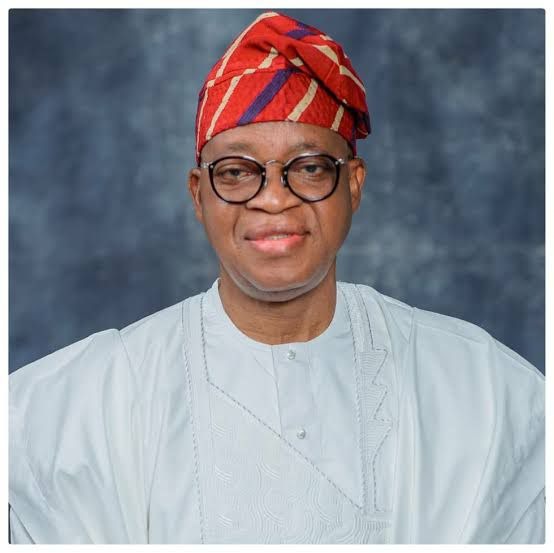
The Minister of Marine and Blue Economy, Dr Adegboyega Oyetola, announced the approval on Sunday, naming Onne, Rivers, Delta and Calabar ports as beneficiaries of the latest phase of the government’s port modernisation programme.
Nigeria To Rebuild Apapa, Tin-Can, Other Seaports In Biggest Upgrade In 50 Years – Oyetola
Foreign Shipping Lines Abandon 1,800 Export Cargoes At Nigerian Seaports
Ogun Deep Seaport, DP World New Pact Targets $7bn Investments, 50,000 Jobs
The approval comes on the heels of the earlier authorisation for the modernisation and upgrade of Apapa and Tin Can Island ports in Lagos.
According to Oyetola, extending the modernisation programme beyond Lagos is aimed at reducing the concentration of cargo traffic around the nation’s commercial capital while strengthening alternative gateways for international trade.
He said the upgrade of the four ports would improve cargo handling, reduce vessel turnaround time, enhance regional connectivity and make the movement of goods more predictable and cost-effective.
“This approval marks another important step in our determination to transform Nigeria’s maritime infrastructure and unlock the enormous economic potential of our ports,” the minister said.
“President Bola Ahmed Tinubu has made it clear that infrastructure renewal and economic diversification are central to the Renewed Hope Agenda. Modern, efficient and competitive ports are critical to achieving these objectives because they facilitate trade, support industry, attract investment and create jobs.”
Oyetola said the four ports had strategic roles to play in Nigeria’s trade, industrial and regional development, stressing that the government was determined to equip them to meet the demands of a growing economy.
“These ports have strategic roles to play in our trade, industrial and regional development, and we are determined to equip them to meet the demands of a growing economy,” he said.
The minister said the latest approval formed part of a wider expansion of Nigeria’s maritime infrastructure, which also includes the development of new deep seaports across different parts of the country.
Among the projects are the Ibom Deep Seaport in Akwa Ibom State, Bakassi Deep Seaport in Cross River State, Agge Deep Seaport in Bayelsa State, Gateway Deep Seaport in Ogun State, Ondo Deep Seaport in Ondo State and Bonny Deep Seaport in Rivers State.
Oyetola said the combination of modernising existing ports and developing new deep seaports would expand Nigeria’s maritime capacity and create stronger economic corridors across the country.
“Our approach is comprehensive. We are modernising existing ports while facilitating the development of new deep seaports. This will give Nigeria greater capacity to handle increasing volumes of trade, attract investment and position our country as a major maritime and logistics hub in Africa,” he said.
He added that the government was working towards an integrated maritime and logistics system in which ports, roads, rail, inland waterways and other transport infrastructure would work together to facilitate the seamless movement of cargo.
“Our ambition is to build a port system that is efficient, transparent and globally competitive. We want Nigerian businesses to spend less time and resources moving their goods, while creating an environment that encourages investment and supports job creation,” Oyetola said.
The minister reaffirmed the Ministry’s commitment to working with state governments, terminal operators, investors, shipping companies and other stakeholders to ensure that the projects translate into tangible improvements in the country’s marine and blue economy.
“Nigeria has the geography, market and maritime resources to become a leading maritime hub. Our responsibility is to provide the infrastructure, policies and enabling environment to turn that potential into sustainable economic value. This is what the Renewed Hope Agenda is about,” Oyetola added.
We’ve got the edge. Get real-time reports, breaking scoops, and exclusive angles delivered straight to your phone. Don’t settle for stale news. Join LEADERSHIP NEWS on WhatsApp for 24/7 updates →
Join Our WhatsApp Channel