
BY BUKOLA ARO-LAMBO AND OLUSHOLA BELLO, Lagos
Analysts have cautioned that despite Nigeria’s marginal headline inflation easing, mounting cost pressures from food, energy, and seasonal factors could derail the disinflation trend in the coming months.
Data from the National Bureau of Statistics showed consumer prices moderating slightly to 15.06 per cent year-on-year in February 2026 from 15.10 per cent in January—extending an 11-month streak and hitting the lowest level since late 2021.
However, a sharp month-on-month rebound to 2.01 per cent signals renewed momentum.
Food inflation jumped 323 basis points year-on-year to 12.12 per cent, with month-on-month prices accelerating 4.69 per cent after January’s contraction.
Commenting on this, the Lagos Chamber of Commerce and Industry (LCCI) shared these concerns, calling for deliberate action amid risks such as exchange-rate volatility and food insecurity. LCCI director-general, Dr Chinyere Almona, viewed the drop—also down from 26.27 per cent in February 2025—as cautious optimism but stressed vigilance.”
Addressing high inflation has been crucial, as it has greatly impacted purchasing power, production costs, and consumer demand,” Almona said. She flagged imported input costs and domestic issues, such as agricultural insecurity. “With the potential for exchange-rate volatility… There is a risk of increased costs for imported raw materials, machinery, pharmaceuticals, and food items.”
Almona advocated prioritising FX stability through non-oil exports, food security through productivity and infrastructure, and energy reforms to ensure reliable power.
“Advancing reforms in the power and energy sectors is crucial for reducing production costs,” she added, alongside transport and port efficiencies. “Sustaining this trend will require consistent macroeconomic management, structural reforms, and policies aimed at enhancing domestic productivity.”
Quest Merchant Bank highlighted supply disruptions in insecure agricultural areas and global oil price spikes driven by Middle East tensions. “The ongoing geopolitical tensions… have pushed crude oil prices higher, and this is expected to translate into higher transportation and production costs locally,” they noted.
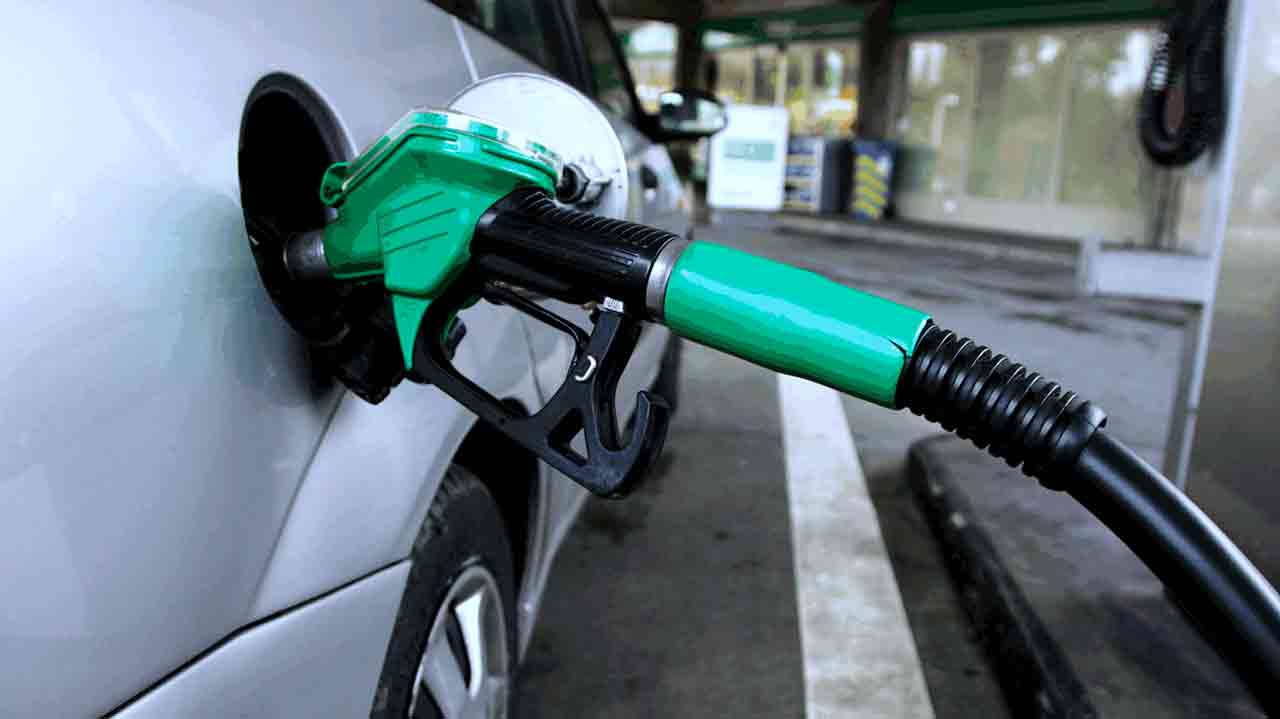
Cordros Capital projects 3.50 per cent month-on-month inflation in March, driven by surging petrol and diesel prices, Eid al-Fitr demand, and peak planting season shortages.
“Higher fuel costs are likely to elevate logistics and operational expenses, with a pass-through effect on food prices and broader inflation expectations,” the firm stated.
On its part, Cowry Asset Management expressed relative optimism, citing FX improvements and 2025 CPI rebasing, but expects a modest rise to 15.24 per cent in March from lingering pressures.
Nonetheless, Cowry acknowledged that underlying pressures persist, particularly from food prices and seasonal factors, which could lead to a modest near-term inflationary uptick.
“We expect headline inflation to increase slightly to 15.24 per cent in March 2026, reflecting residual price pressures despite broader macroeconomic improvements,” the firm stated.
Continuing, Almona noted that with the potential for exchange-rate volatility, there is a risk of increased costs for imported raw materials, machinery, pharmaceuticals, and food items.
“Nigeria has the opportunity to mitigate these external pressures by investing in local refining capacities and ensuring that crude supply meets domestic needs.”
Almona added that “with the potential for exchange-rate volatility amidst global supply chain disruptions, there is a risk of increased costs for imported raw materials, machinery, pharmaceuticals, and food items.
“This could subsequently affect production and consumer prices. Other concerns, such as insecurity in agricultural regions, climate-related disruptions, and high transportation costs, could also challenge food supply and price stability.”
She pointed out that it is vital for the government to undertake deliberate policy actions to maintain the current easing of inflation, saying that “prioritising exchange-rate stability by enhancing foreign exchange liquidity and promoting non-oil export earnings is key.
“Strengthening food security through increased agricultural productivity, addressing insecurity in farming areas, and investing in storage and logistics infrastructure will also play a critical role in moderating food prices.”
She also said, “Advancing reforms in the power and energy sectors is crucial for reducing production costs. A reliable electricity supply and improved energy infrastructure can significantly alleviate cost pressures across the manufacturing, trade, and service sectors.”
She emphasised the importance of enhancing efficiency in transportation and trade infrastructure, including port operations, cargo evacuation systems, and digital trade processes, saying that such improvements can notably reduce logistics costs that contribute to consumer prices.
“While the marginal decline in inflation is a positive development, sustaining this trend will require consistent macroeconomic management, structural reforms, and policies aimed at enhancing domestic productivity.
“We must act swiftly to address concerns that may jeopardise the progress made in controlling inflation. Given that month-on-month rates already suggest ongoing inflationary challenges, supply-side interventions are likely to offer more sustainable solutions than imposing price controls on manufacturers and investors,” LCCI DG explained.
We’ve got the edge. Get real-time reports, breaking scoops, and exclusive angles delivered straight to your phone. Don’t settle for stale news. Join LEADERSHIP NEWS on WhatsApp for 24/7 updates →
Join Our WhatsApp Channel