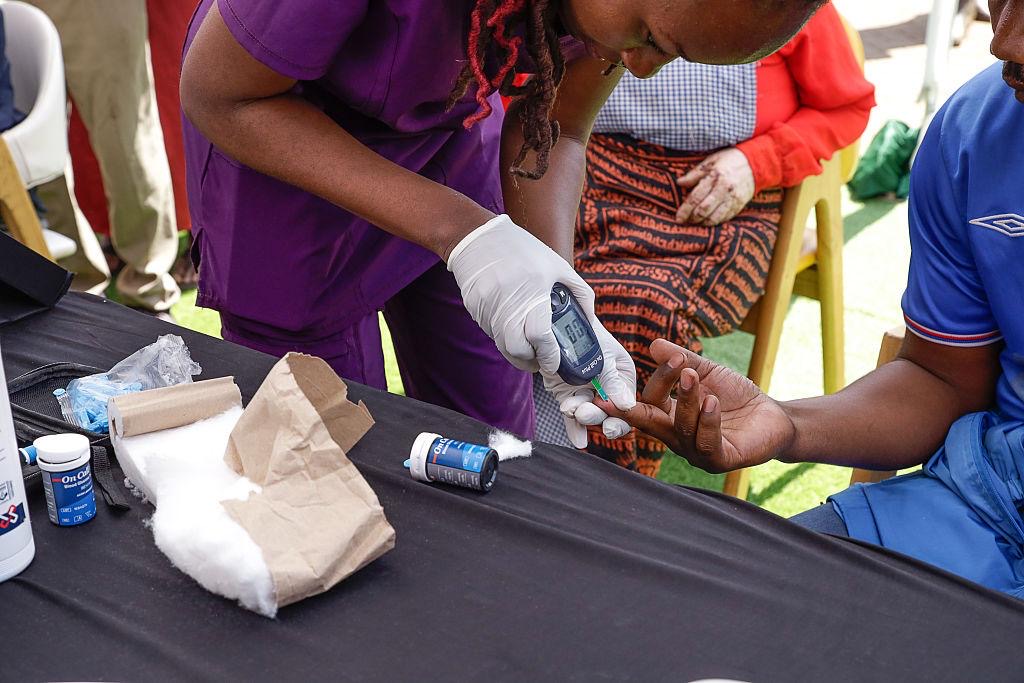
Diabetes is a chronic health condition that requires daily management and attention. People living with the condition can lead healthy and productive lives if they follow medical advice, maintain a healthy diet and regularly monitor their blood sugar levels.
One of the most important steps in managing diabetes is understanding which foods to eat, appropriate portion sizes, and the right times to eat.
Recommended Foods For People Living With Diabetes
People living with diabetes are encouraged to eat balanced, nutritious meals that include vegetables, whole grains, protein, and other essential nutrients.
Recommended foods include:
Vegetables: cabbage, spinach, lettuce, cucumbers, carrots, and other vegetables.
Beans and legumes: Beans, soybeans and other foods rich in protein and dietary fibre.
Fish and eggs are important sources of protein that support the body’s nutritional needs.
Whole grains: Unprocessed grains, oats and other fibre-rich grain products.
Fruits: Oranges, pawpaw, apples and other fruits, although portion sizes should be carefully controlled.
Water: Drinking water regularly is important, particularly as an alternative to sugary beverages.
People living with diabetes do not necessarily have to stop eating all the foods they enjoy. What matters most is controlling food portions and choosing healthier options.
Foods That Should Be Limited
People with diabetes should reduce their consumption of foods and drinks containing high amounts of sugar, including soft drinks, sweets, sugary biscuits and fruit juices with added sugar.
It is also advisable to limit foods containing excessive fat and salt, as well as highly processed foods.
Rice, tuwo, potatoes, yam and other starchy foods do not necessarily have to be eliminated from their diets. However, their portions should be controlled, as they can raise blood sugar levels.
How To Plan A Healthy Meal
One simple way to organise meals is to divide a food plate into three sections:
– Half of the plate should contain vegetables.
– One-quarter should contain protein-rich foods such as fish, eggs or lean meat.
– The remaining one-quarter should contain starchy foods or whole grains.
This approach can help people manage their food portions, although adjustments may be necessary depending on the type of diabetes, medication and medical advice.
Importance Of Exercise And Medication
In addition to maintaining a healthy diet, people living with diabetes should engage in regular physical activity according to their abilities and the advice of healthcare professionals. Walking is one of the simplest forms of exercise.
It is equally important to take prescribed medications as directed and to monitor blood sugar levels as recommended by healthcare providers.
Patients should not stop taking their medication or change their prescribed dosage simply because they have started eating healthier foods.
Foot Care And General Health Monitoring
People living with diabetes should regularly examine their feet, maintain proper hygiene and wear protective footwear. They should seek medical attention if they notice wounds that fail to heal, swelling or other unusual problems.
They should also attend regular medical check-ups to monitor their eye health, kidney function, blood pressure, and other diabetes-related health conditions.
Conclusion
Living with diabetes does not mean giving up the enjoyment of life or completely abandoning one’s favourite foods. Rather, it requires understanding how to make healthier food choices, control portions, exercise regularly, follow medical advice and undergo routine medical examinations.
Adopting these healthy practices can help reduce the risk of diabetes-related complications and improve the quality of life of people living with the condition.
We’ve got the edge. Get real-time reports, breaking scoops, and exclusive angles delivered straight to your phone. Don’t settle for stale news. Join LEADERSHIP NEWS on WhatsApp for 24/7 updates →
Join Our WhatsApp Channel