
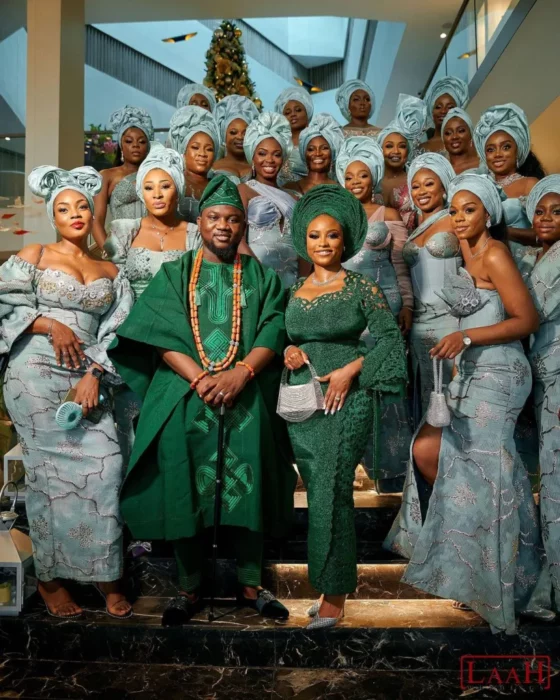
The invitation arrives, the wedding date is announced and then comes the familiar question: “Have you bought the asoebi?”
For some wedding guests, that question signals another round of spending. It includes the cost of the fabric, the tailor’s bill, and the extra expenses of looking good on the day. Before long, what should be a joyful celebration becomes another demand on the pocket.
Beyond the financial burden, some guests say their experiences have left them questioning the value of spending money to identify with people who, in their view, do not always reciprocate the gesture.
For Bernice Abraham, the decision to buy asoebi now depends largely on the cost and the relationship she shares with the couple. She believes the prices are often too high, with little consideration given to making guests comfortable.
According to her, the cost of sewing can sometimes be higher than that of the fabric itself, while the expenses of looking good on the wedding day extend to makeup, nails, hair, eyelashes, shoes and bags.
She also raised the question of what guests should wear when they choose not to buy the designated fabric.
When a close friend is getting married, however, Bernice prefers to support the person without putting herself under financial pressure.
“I usually send a token and then wear a similar colour to the colour of the day. Or, if there is provision for a less expensive asoebi, I can go for that. No pressure,” she said.
She disclosed that the most she has spent on asoebi was N50,000. If she were organising her own wedding, Bernice said she would not want to put her guests under pressure to buy matching outfits.
For Sharon Uwaila, the decision to stop buying asoebi is tied to what she considers a lack of genuine friendship after people get married.
She recalled participating in the celebrations of others, only to feel forgotten once they had settled into married life.
“You go follow them do asoebi, finish. After they marry, they forget you ever existed simply because they are now married. Very crazy,” she said.
Having spent as much as N150,000 on asoebi, Sharon said she no longer sees the need to spend money trying to impress people who, in her view, do not genuinely care about her.
She believes relationships have changed and that the gestures of support people make during weddings are not always returned.
Frank Ogi is even more emphatic about his decision. Having spent as much as N100,000 on asoebi, he says he has no intention of buying the fabric for anyone again.
His disappointment goes beyond the financial commitment. Frank said he has become tired of what he describes as unfaithful friends and people who only remember others when they need their support.
He recalled feeling disrespected by someone whose wedding he was expected to attend, particularly because he said he had not been properly recognised or honoured as the best man.
“They didn’t tell me when they planned to wed, and they didn’t respect me. So why involve me now?” he asked.
Frank said he would neither attend nor publicly celebrate the wedding, insisting that he was no longer willing to invest in relationships he considers one-sided.
His experience reflects a wider frustration among some wedding guests who feel that friendship should involve more than showing up with matching outfits and financial contributions.
While asoebi remains an important part of many Nigerian wedding celebrations, the experiences of these guests raise questions about affordability, friendship and the expectations placed on people invited to celebrate.
For some, buying the fabric is a gesture of love and solidarity. For others, it has become an expense they are no longer willing to take on.
And when a close friend gets married, the question remains: should friendship come with a compulsory dress code?
We’ve got the edge. Get real-time reports, breaking scoops, and exclusive angles delivered straight to your phone. Don’t settle for stale news. Join LEADERSHIP NEWS on WhatsApp for 24/7 updates →
Join Our WhatsApp Channel