Nigeria recorded a total of 20,838 new HIV infections between January and March 2026, with Lagos and Benue States accounting for the highest number of cases, according to data from the National Data Repository.
The breakdown of the figures showed that Lagos led with 2,298 infections, followed by Benue Sttae with 1,949 cases.
Akwa Ibom ranked third with 1,159 infections, while Rivers and Anambra reported 1,137 and 1,013 cases, respectively.
In the northern region, Kaduna recorded 842 new cases, while Kano reported 476 infections.
Other states with notable figures included Delta (803), Oyo (763), Ogun (751), Plateau (662), Imo (640), and Nasarawa (615).
The Federal Capital Territory (FCT) recorded 579 infections, while Abia and Edo States reported 527 and 512 cases, respectively.
Ebonyi, Gombe, and Borno States recorded 253, 252, and 238 infections, respectively, while Ekiti, Sokoto, and Yobe posted the lowest figures at 129, 110, and 100 cases, respectively.
In response to the rising numbers, the Federal Government announced a $346 million co-financing commitment for 2026 to strengthen interventions against HIV, tuberculosis, and malaria.
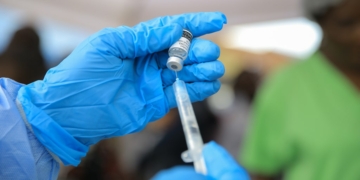
The Coordinating Minister of Health and Social Welfare, Prof. Muhammad Pate, disclosed this during the national rollout of Lenacapavir, a long-acting injectable for HIV prevention.
Pate said the funding, already approved for inclusion in the 2026 national budget by President Bola Tinubu, would support procurement of medical supplies, laboratory surveillance, reagents, expansion of primary healthcare services, and improved financial protection for citizens.
He said, “The funding, already directed by Mr President to be included in the 2026 budget, will support medical supplies, laboratory surveillance, reagents, expansion of primary healthcare, and financial protection for citizens.”
The minister emphasised that Nigeria was increasingly prioritising domestic resource mobilisation in response to shrinking global health financing.
According to him, “Nigeria is increasingly focusing on domestic funding amid constrained global health financing.”
He added that innovation and efficiency remained critical to tackling the disease burden, noting that new medical advancements such as Lenacapavir would strengthen ongoing national efforts.
Pate added, “Advancements like Lenacapavir will help bolster ongoing efforts to control HIV, tuberculosis, and malaria nationwide.”
We’ve got the edge. Get real-time reports, breaking scoops, and exclusive angles delivered straight to your phone. Don’t settle for stale news. Join LEADERSHIP NEWS on WhatsApp for 24/7 updates →
Join Our WhatsApp Channel