By Gabi Hibbatullah, Abuja
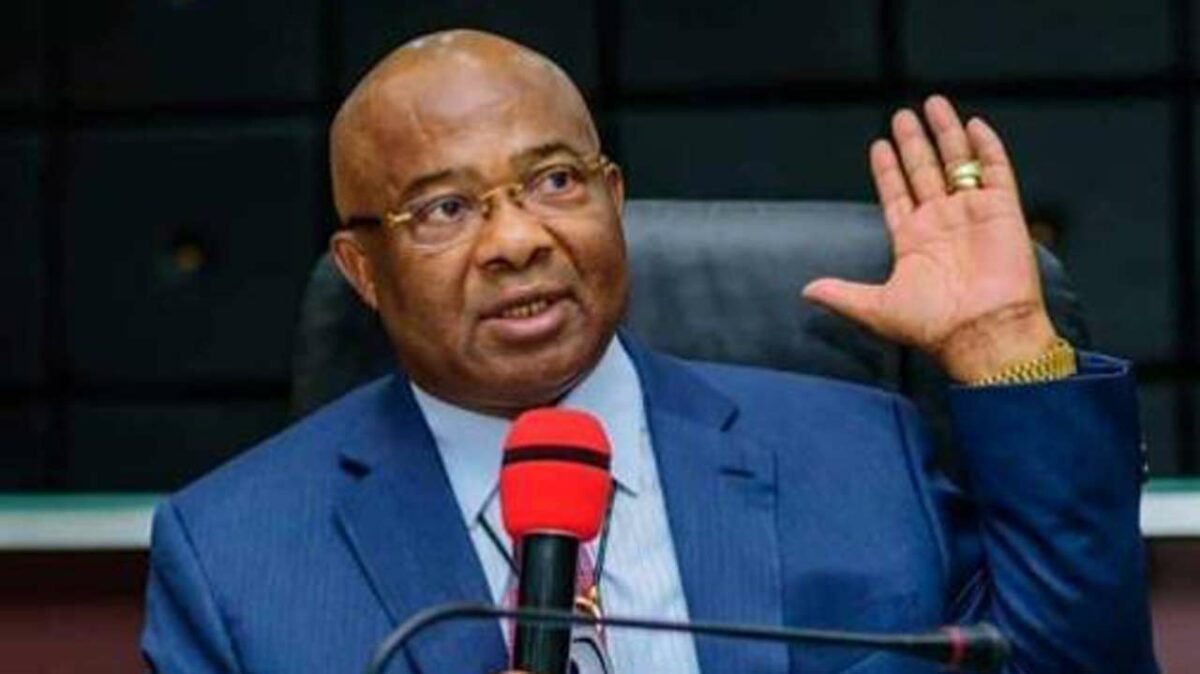
Imo State governor, Senator Hope Uzodimma, has reflected on the role of the media in strengthening democracy in Nigeria, concluding that the fourth estate of the realm has performed creditably.
He however, warned that obstacles placed in the way of the media may erode its credibility, especially in sustaining its neutrality and freedom.
The governor listed the impediments as economic vulnerability among practitioners, proprietary interests and censorship.
He spoke in Abuja when he delivered the 3rd Raymond Aleogho Dokpesi Annual Diamond Lecture, titled, “Media, Democratic Consolidation and Development”.
While the governor agreed that the media had helped deepen democracy and hasten development since the return of democratic governance in 1999, he noted that the proliferation of media platforms also placed greater demands on professional standards, economic independence, and the credibility of journalism.
He said that because the Nigerian journalist faced immense pressure in discharging his responsibilities, there was a need to confront the challenges that could limit the media’s ability to perform its constitutional role of “enshrining democracy and driving development in the process”.
According to Uzodimma, interference by proprietors, economic vulnerability, safety concerns and a harsh working environment were great impediments that should be confronted if the media is to continue to excel in its role.
He advocated a tripartite arrangement among the government, media practitioners, and citizens to enhance media performance, thereby accentuating democracy and consolidating development.
Uzodimma, who is Chairman of the Progressive Governors’ Forum, praised the late Chief Raymond Aleogho Dokpesi for his foresight in pioneering private broadcast ownership in Nigeria.
Describing Dokpesi as a trailblazer, the governor noted that before the media mogul established Ray Power FM and African Independent Television (AIT), the broadcast media was largely under government control.
He said both stations founded by Dokpesi had contributed to the growth of the Nigerian economy through job creation, the stimulation of advertising and broadband infrastructure, and the promotion of Nigerian culture worldwide.
He said that because it was generally acknowledged that Dokpesi helped expand the space for independent broadcasting in Nigeria, he deserved to be recognised as someone who contributed to expanding democracy in the country.
He described the annual memorial lecture as a starting point, but challenged the country and media practitioners to do more to immortalise him.
“The best tribute we can pay to his memory is to protect that media freedom and ensure that the journalism practised under it remains worthy of public trust. We should also take the lead by building a national media centre in his honour,” Uzodimma declared.
We’ve got the edge. Get real-time reports, breaking scoops, and exclusive angles delivered straight to your phone. Don’t settle for stale news. Join LEADERSHIP NEWS on WhatsApp for 24/7 updates →
Join Our WhatsApp Channel