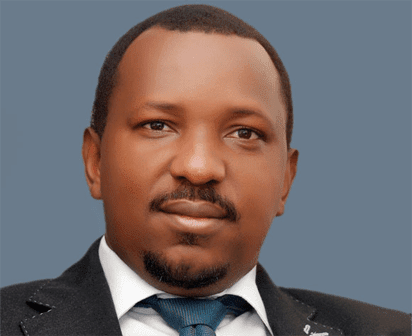
Nigeria’s National Sports Commission (NSC) has declared its unwavering commitment to upholding the integrity of Nigerian sports, with a renewed focus on eradicating age falsification and doping violations. Malam Shehu Dikko, Chairman of the NSC, announced stricter measures for athlete age verification and anti-doping compliance at the Annual General Meeting (AGM) of the Nigeria Olympic Committee (NOC) in Abuja.
Dikko asserted that Nigeria has successfully resolved all outstanding anti-doping issues and is now globally recognised as a “clean” sporting nation, following the enactment of the Anti-Doping Bill and clearance from the World Anti-Doping Agency (WADA). “Everything required to make Nigeria a clean country in sports has been done,” Dikko stated, confirming the resolution of previous disputes with the Court of Arbitration for Sport.
Further reinforcing this commitment, a fully operational Anti-Doping Agency is set to be established, with national budget provisions already allocated for the construction of a dedicated anti-doping laboratory within the country.
On the issue of age integrity, the NSC has formed an Integrity Unit to tackle age discrepancies across sports federations. Sanctions have been approved for individuals found guilty of breaching age regulations. Dikko acknowledged that some age-related issues are historical, but emphasised the importance of accuracy and the commission’s intent to “police federations, coaches and athletes to ensure compliance.”
Engr. Habu Ahmed Gumel, President of the Nigeria Olympic Committee, highlighted the AGM as a statutory obligation and a crucial platform for reviewing the Olympic and Commonwealth Games Fund. He commended the strong collaboration between the NOC and NSC, attributing it to improved performances by Nigerian athletes in international competitions.
Mr. Bukola Olopade, Director-General of the National Sports Commission, corroborated the improved performance, noting that Nigerian teams participated in approximately 54 international competitions in 2025, with only four returning without medals. This success, he stated, reflects enhanced planning, stronger partnerships with federations, and a deliberate focus on achieving podium finishes.
Ongoing reforms within Nigerian sports include the success of the Elite Athlete Development Board, plans for a Diaspora Athletes Board by 2026, and efforts to institutionalise integrity, infrastructure development, and dispute resolution mechanisms.
Gumel also announced that Nigeria’s bid to host the Commonwealth Games has been deemed credible, with discussions underway for a potential hosting opportunity in 2034. The country also remains a leading contender to host the African Games.
President Bola Tinubu was lauded for prioritising sports funding in the national budget, ensuring immediate release of allocated funds and consolidating sports-related allocations into a central sports development pool. These decisions are expected to guarantee predictable funding for major games preparations, elite athlete programmes, and improved welfare for retired athletes.
The AGM saw attendance from officials of international sports federations, representatives from the Association of National Olympic Committees of Africa (ANOCA), presidents of national sports federations, and other key stakeholders in the Nigerian sports sector.
We’ve got the edge. Get real-time reports, breaking scoops, and exclusive angles delivered straight to your phone. Don’t settle for stale news. Join LEADERSHIP NEWS on WhatsApp for 24/7 updates →
Join Our WhatsApp Channel