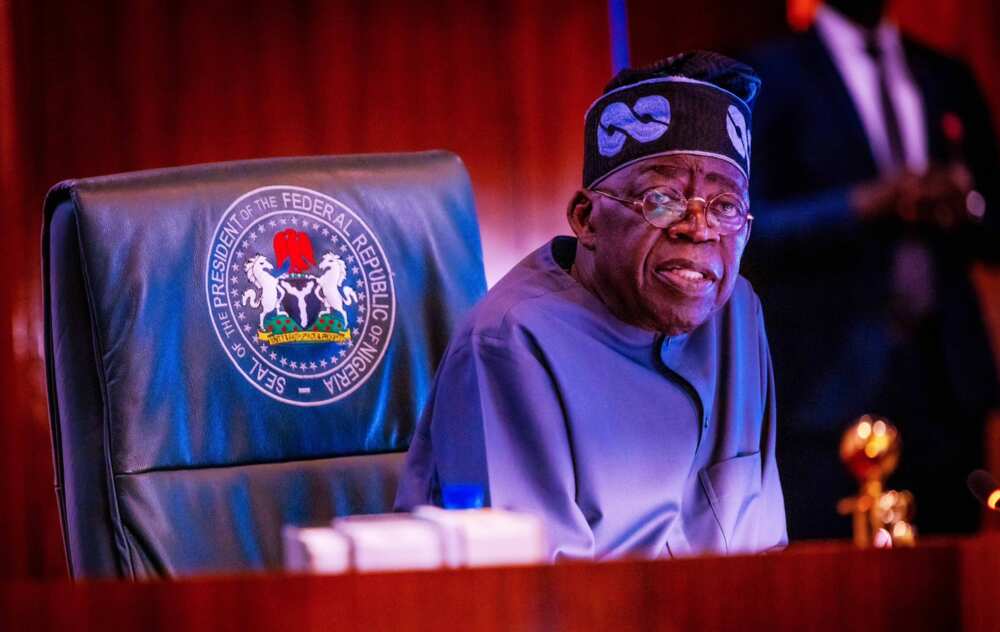
At the time the Bola Ahmed Tinubu administration took office in 2023, the inflation rate was at 22.41 per cent. However, the removal of subsidy and the subsequent floating of the Naira pushed inflation up 28.92 per cent by December 2023.
The resultant hardship among citizens, with a poverty rate hitherto estimated to be around 46 per cent, affecting approximately 104 million people in 2023, jumped to an estimated 139 million in 2025, according to the World Bank report, a rise of about 61 per cent.
Although the report also acknowledged that some level of stabilisation has been achieved through recent government reforms, these have yet to significantly translate into improved household conditions, partly due to weak purchasing power resulting from high inflation and other economic shocks.
The rate of inflation became alarming until the idea of rebasing the gross domestic product (GDP) computation was implemented in mid-2025, which alleviated the palpable fear of economic hardship, although the underlying factors remained unresolved.
The latest inflation figure from the National Bureau of Statistics (NBS) regarding the Consumer Price Index (CPI) revealed that it moderated for the second consecutive month, falling sharply from 18.02 per cent in September to 16.05 per cent in October 2025, the lowest in 44 months. This moderation was driven by a new CPI base year and some easing in food prices. While headline inflation has slowed, Nigerians are still struggling to pay more for food, transport, energy, housing, and other essential services amid record-breaking growth.
The silver lining is that Institutions like the International Monetary Fund (IMF), Moody and Standard and Poor (S&P), have been applauding the performance of the ongoing reforms and the corresponding growth trajectory in the last two years. The IMF, in particular, has raised Nigeria’s economic growth forecast for 2025 to 3.9 per cent due to factors such as improved oil production and increased investor confidence. The Fund also projects 4.2 per cent growth for 2026, citing factors such as the nation’s strengthened fiscal stance and enhanced security in the oil sector. It further advises the government to prioritise rebuilding budgetary buffers, preserving the Central Bank’s independence, and addressing structural impediments.
Moody’s, a rating agency, has also upgraded Nigeria’s rating from Caa1 to B3, based on a stronger fiscal position, improved external accounts, and the government’s commitment to reforms, including liberalising the foreign exchange market and eliminating fuel subsidies.
Standard and Poor (S&P), another rating agency, posited that “the positive outlook reflects improving external, economic, fiscal, and monetary results. However, the agency was quick to add that it could revise the outlook to stable if risks to Nigeria’s reform programme implementation rise or if the capacity to repay commercial obligations weakens.
In our opinion, the country is overburdened with debt servicing obligations, which no doubt drain resources needed for meaningful development. While the debt-to-GDP ratio is projected to fall to 39.8 per cent in 2025, the total public debt stock has increased significantly throughout the year.
According to a forecast by BudgIT, the total public debt is expected to reach N187.79 trillion by the end of 2025.
The budget for debt servicing is more than the combined budgets of education, health, and defence in the 2025 budget. Nigeria’s debt service-to-revenue ratio (DS/RR) has been a serious concern; however, the ongoing economic reforms could potentially offer some relief if well implemented.
The 2025 World Bank report indicates that, in addition to income poverty, many Nigerians also lack access to basic services, with significant percentages lacking access to improved drinking water, sanitation, and electricity.
The issue of affordability of basic amenities is crucial as the poverty index remains high. In the report titled ‘Quality of Life Index by Country 2025 Mid-Year’ conducted by Numbeo, the survey, which examined the overall human well-being factors ranging from safety, healthcare, cost of living, climate, to security, and other relevant conditions, ranked Nigeria as the number one country with the lowest quality of life in the world.
Numbeo is the world’s largest cost of living database and a crowd-sourced global resource for quality-of-life data. It provides insights into the cost of living, housing price indicators, perceived crime rates, healthcare quality, transport quality, and various other key statistics.
An estimated 139 million Nigerians live in poverty, representing approximately 61 per cent of the population, a significant increase from previous years partly due to factors like falling consumption, high food inflation, and the impact of recent economic reforms.
The Central Bank of Nigeria (CBN) is living up to expectations by deploying all the tools at its disposal to wrestle inflation down, just as it is not yet economic uhuru. The CBN is already transitioning to an inflation-targeting framework to manage the country’s price stability.
In tackling the inflationary tendencies, it now behoves the fiscal authority to mobilise other key players to face the challenge presented by the IMF to the country, which is to grow the economy to a projected 4.2 per cent and even beyond.
These optimistic projections, although encouraging, fall short of laying a solid foundation for economic prosperity. Although the food component of the consumer price index (CPI) is moderating, we should not overlook the fact that the seasonality of major food crops and importation account for the relief.
Given the structural deficiencies, including an infrastructural gap, insecurity, weak governance at both corporate and government levels, and an inability to harness available resources to diversify the revenue base and insulate the economy from market volatility, serious setbacks are likely to occur in reining in inflation.
Of Major concern is availability of finance for the agricultural sector. Banks are risk-averse when it comes to agriculture, in particular; however, significant agrarian initiatives of the Central Bank of Nigeria should be revisited, reformed, and re-implemented in a well-coordinated manner by the Ministry of Agriculture and related agencies at both the federal and sub-national levels.
We’ve got the edge. Get real-time reports, breaking scoops, and exclusive angles delivered straight to your phone. Don’t settle for stale news. Join LEADERSHIP NEWS on WhatsApp for 24/7 updates →
Join Our WhatsApp Channel