Nigeria is making history on the global stage as we continue to be recognised and appreciated for improved agricultural global GDP contributions. Based on data from 2025 and projections for 2026, Nigeria holds a significant position in global agricultural output particularly in certain crop categories, with Nigeria playing the largest role in Africa. In the global ranking for cocoa production, Nigeria is the 4th largest in the world. The country’s challenge in boosting production has mostly been hampered by aging tree stock and limited access to modern farming techniques for smallholder farmers. Because of this, the President Bola Ahmed Tinubu administration has embarked on initiatives to reclaim a higher global ranking by raising Nigeria’s cocoa output to roughly 500,000 metric tonnes from the current 310,000 metric tonnes.
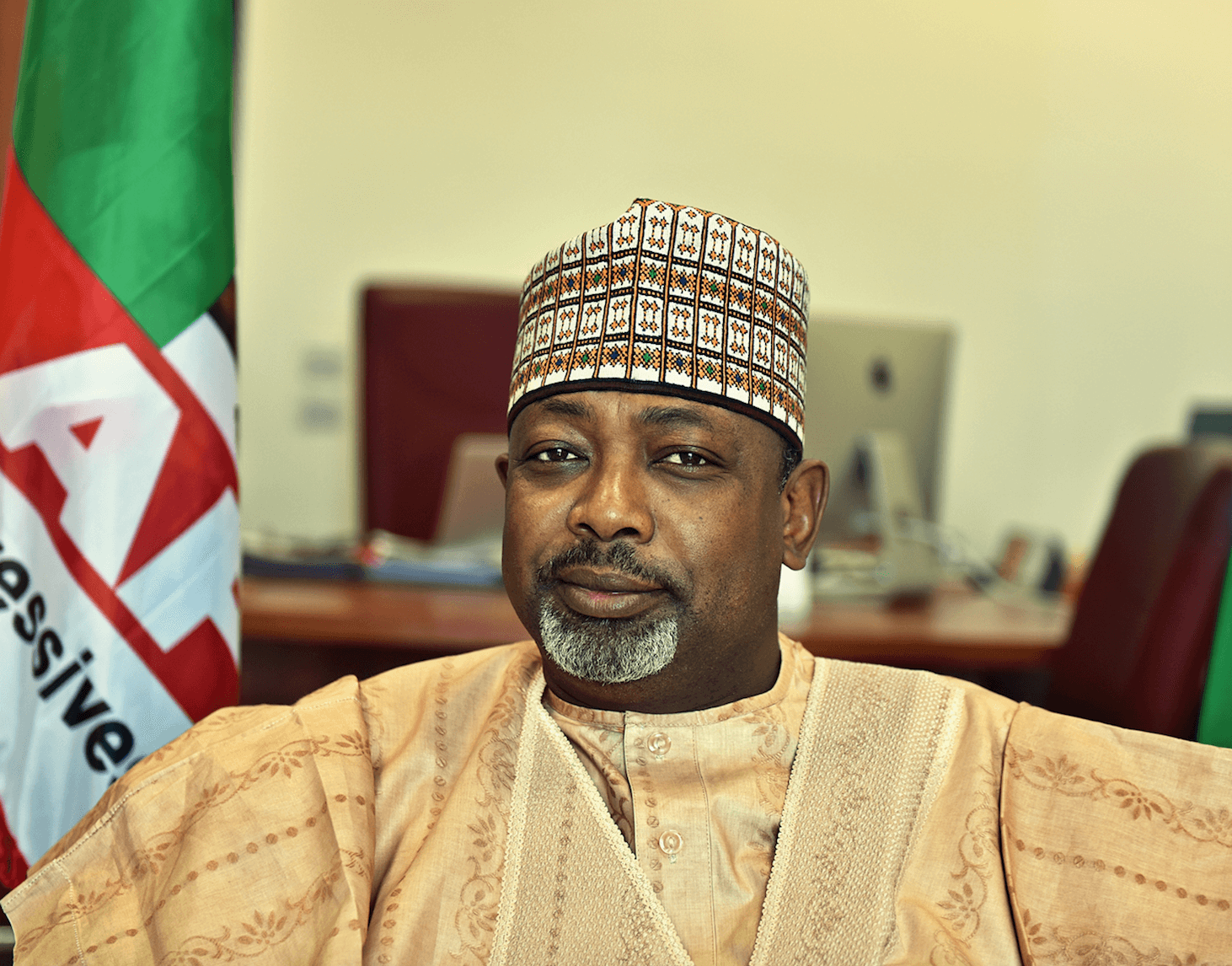
The Minister of Agriculture and Food Security, Sen. Abubakar Kyari, CON; while delivering a keynote address at the Cocoa Beyond Borders Conference in the UK on the 26th of January, 2026; challenged existing trade and compliance regimes, stating that cocoa-producing nations “must not remain rule takers in a system where the rules are made without their meaningful input”. Kyari also warned that sustainability frameworks would fail if they undermined farmer livelihoods and national sovereignty, stressing that “compliance cannot be just if it weakens producer economies while protecting markets elsewhere”.
He also warned against the weaponisation of ESG compliance (environmental, social, and governance) noting that climate action must advance alongside fairness and equity in global trade. At the conference, Kyari received the International Cocoa Diplomacy Award for the transformation of Nigeria’s cocoa industry. While speaking at the sidelines of the conference, Kyari emphasised that Nigeria’s efforts to achieve the guidelines of the EUDR (European Union Deforestation Regulation) in terms of cocoa production; presents a key opportunity for the country’s standardisation of cocoa production especially in areas of traceability and standards. He stated that Nigeria’s key agricultural reforms are geared towards affordability and availability of food items which have resulted in the stabilisation of prices of foodstuffs. He noted that the most challenging aspect of these reforms now is the price of inputs.
He announced that the govt is now very intentional about reducing the costs of key agricultural inputs to improve the income of farmers, and the President has already mandated them on this goal. Kyari highlighted the fact that prices have stabilised through lean periods as well as festive seasons.
Barely a month after, the “Cocoa conference in the UK”, Nigeria made history once again in Rome, Italy; as Kyari, the Minister for Agriculture and Food Security, was elected as the Chairperson of the Governing Council of the International Fund for Agricultural Development, IFAD. This is the United Nations agency dedicated to transforming rural livelihoods and ending world hunger. This landmark emergence places Nigeria at the heart of decision-making on food security, rural development, and the empowerment of smallholder farmers.
This has come at a time when the world faces huge pressure from climate change, conflict, and economic instability. Kyari was elected chairperson of IFAD where 600 delegates from 120 countries participated in the voting process. While accepting the responsibility he said that the role carries the solemn obligation to empower millions of rural men and women whose hopes depend on the decisions of IFAD’s governing council, the institution’s highest decision-making body responsible for shaping policies, safeguarding IFAD’s financial strength, and setting its strategic direction.
Kyari’s new role as chairperson has kick-started in earnest, drawing attention to the role of stronger investment in youth agripreneurs as well as the degradation of Lake Chad. He reiterated the importance of equipping younger people with access to finance, skills, mentorship, and markets, as it strengthens value chains, generates employment, fosters innovations, and secures a shared prosperity.
Kyari believes this is the best pathway to transforming rural economies. Kyari also made a clarion call for action to recharge and restore Lake Chad. He described the situation with Lake Chad as a major threat to food security, livelihoods, and stability across the Sahel and Central Africa. He stated that Lake Chad had lost over 90% of its surface area thereby worsening poverty, displacement, and insecurity across affected communities. He urged multilateral institutions, development partners, and NGOs to move beyond studies and commit to co-ordinated scaled, and well-financed actions highlighting that investing in Lake Chad is a strategic intervention for climate resilience, food security, and peace across the region. Kyari also paid tribute to the visionary leadership of President Bola Ahmed Tinubu GCFR; whose commitment to agricultural transformation and food security has strengthened Nigeria’s voice and position on the global stage. He also acknowledged the collective support of Nigeria’s institutions that are driving the country’s renewed agricultural diplomacy.
We’ve got the edge. Get real-time reports, breaking scoops, and exclusive angles delivered straight to your phone. Don’t settle for stale news. Join LEADERSHIP NEWS on WhatsApp for 24/7 updates →
Join Our WhatsApp Channel