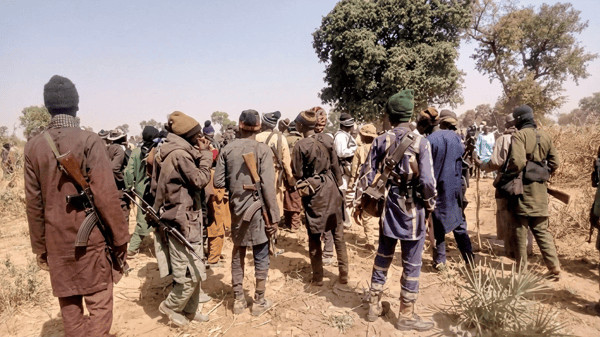
Nigeria has been grappling with security challenges for years, but the situation took a dramatic turn with the emergence of the Boko Haram insurgency in North-East Nigeria. In 2002, Mohammed Yusuf founded a movement aimed at promoting a strict interpretation of Islam and opposing Western education and influence, which its adherents viewed as corrupting Islamic values. By 2009, Boko Haram had embarked on a violent campaign that resulted in widespread loss of life and the destruction of public infrastructure.
The insurgency also triggered mass displacement, culminating in one of the worst humanitarian crises in Nigeria’s history. Today, Boko Haram has splintered into several factions which, collectively, have devastated the socio-economic life of the North-East, with Borno State bearing the brunt.
In an effort to address this challenge through non-kinetic means, the Federal Government, under the administration of Muhammadu Buhari, established Operation Safe Corridor as a special-purpose vehicle to encourage Boko Haram fighters to surrender and be reintegrated into society.
This initiative forms part of a broader peace-building and security-enhancement strategy for the North-East. While the programme has received commendation from some stakeholders, others have argued that critical gaps remain and must be addressed to make the initiative more holistic.
Within the global framework of Disarmament, Demobilisation, and Reintegration (DDR), there has been sustained criticism regarding the operational effectiveness of such programmes, particularly in addressing the needs of victims and their families.
Experts argue that DDR initiatives will continue to face significant implementation challenges if the concerns of victims are not adequately incorporated. This position has gained international traction, with growing calls for deliberate efforts to integrate the welfare and well-being of victims into DDR frameworks.
As a newspaper, we align with this view. Nigeria’s deradicalisation efforts, exemplified by Operation Safe Corridor—established in 2015 to provide pathways for willing and repentant insurgents and low-risk armed actors to disengage from violence—have been praised by government officials.
However, stakeholders have consistently argued that the programme is selective in its application, as it largely omits the needs and well-being of victims and their relatives. These victims have suffered profound economic losses and enduring psychological trauma.
This reality raises serious questions about the overall effectiveness of the programme. It is our position that there should be no one-size-fits-all template for implementing DDR initiatives.
The Boko Haram insurgency is peculiar to Nigeria, and as such, deradicalisation efforts must be tailored to address the country’s specific realities. Evidence suggests that Operation Safe Corridor has not been sufficiently customised to meet these needs. Some analysts contend that the programme mirrors global DDR models that have struggled elsewhere due to the failure to prioritise victims and their families. They advocate for a more inclusive framework—one that goes beyond the reintegration of repentant ex-combatants.
This newspaper, therefore, calls for an expansion of the mandate of Operation Safe Corridor to include victims and their relatives, thereby creating a more balanced environment for peace-building. One practical approach would be the establishment of a Victims Support Fund or a Victims Support Directorate within the programme. Such a mechanism would address both the psychological and economic well-being of those affected by the Boko Haram insurgency. Rehabilitating and reintegrating former fighters without adequately considering the suffering of their victims constitutes a significant gap in the current approach.
We acknowledge the efforts of the Borno State Government, non-governmental organisations, philanthropic individuals, and corporate bodies in alleviating the plight of victims of the insurgency.
These interventions are commendable and further reinforce our call for a rethinking of Nigeria’s deradicalisation strategy to formally incorporate the rehabilitation and reintegration of victims and their families.
Regrettably, the Boko Haram insurgency has caused damage exceeding $9 billion and displaced more than two million people. This grim reality underscores the urgency of integrating this critical constituency into the Operation Safe Corridor framework.
The benefits of such inclusion are far-reaching. It would promote a more comprehensive rehabilitation and reintegration strategy, foster genuine reconciliation and acceptance, and ultimately contribute to reshaping the security landscape of the North-East in line with the core objectives of Operation Safe Corridor.
We’ve got the edge. Get real-time reports, breaking scoops, and exclusive angles delivered straight to your phone. Don’t settle for stale news. Join LEADERSHIP NEWS on WhatsApp for 24/7 updates →
Join Our WhatsApp Channel