
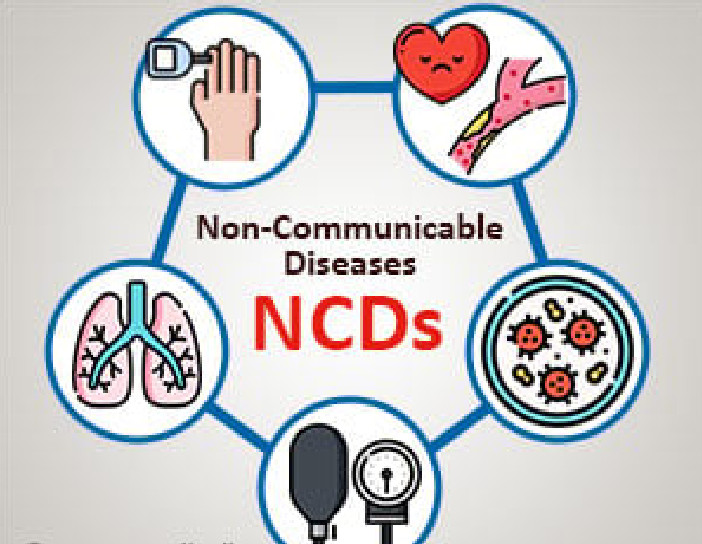
As non-communicable diseases (NCDs) continue to rise across Nigeria, public health experts and advocates have renewed calls for stricter salt regulation and mandatory front-of-pack warning labels on processed foods.
Nigeria is witnessing a steady increase in hypertension, stroke, kidney disease and heart-related complications, with excessive salt intake emerging as one of the major dietary culprits.
Nigeria’s average salt intake is estimated at 3.9 grammes of sodium per day, equivalent to about 10 grammes of salt, double the World Health Organisation’s recommended limit of 5 grammes of salt daily. According to experts, this excess consumption contributes significantly to the country’s high burden of hypertension, which affects about 38 per cent of adults.
A public consultant/general physician, Dr Ekiyor Joseph, noted that reducing sodium intake by just 30 per cent could save 1.6 million lives annually, stressing that diet-related risks are now a major driver of premature mortality.
Ekiyor, who spoke at the Journalism Training on Salt Reduction, Nutrient Profile Models (NPM) and Front-of-Pack Labelling (FOPL) in Nigeria, organised by Corporate Accountability and Public Participation Africa (CAPPA), recently in Abuja, noted that consumption of free sugar content and other unhealthy diets were major drivers of NCDs.
While many Nigerians associate salt intake with cooking, Dr Ekiyor and other speakers at the training, said the majority of sodium consumed is hidden in processed and packaged foods. These include seasoning cubes and bouillon products, instant noodles, bread, snacks and baked goods, street foods such as suya and kilishi, fast foods and restaurant meals.
Because sodium levels are often not clearly labelled, consumers unknowingly exceed safe intake levels.
Also at the event, the programme officer, Cardiovascular Health, CAPPA, Bukola Olukemi Odele, said front-of-pack warning labels were essential to address this gap. She explained that such labels provide clear visual warnings when products contain high levels of salt, sugar or unhealthy fats.
“Front-of-pack labels are not just information tools; they are life-saving interventions,” she said.
Meanwhile, Nigeria has developed several policy instruments aimed at addressing unhealthy diets and NCDs. These include the National Multisectoral Action Plan for NCDs (2019–2025), which targets a 30 per cent reduction in salt consumption, The National Policy on Food Safety and Quality (2023), which supports mandatory salt targets and front-of-pack labelling, the National Sodium Reduction Guidelines (2024), which propose a phased 30 per cent reduction in sodium intake by 2030, and the adoption of nutrient profile models to classify foods based on harmful nutrient content.
Despite these frameworks, enforcement remains weak.
Technical Advisor, Network for Health Equity and Development (NHED), Dr. Jerome Mafeni, explained that Nigeria is also facing a “triple burden of malnutrition,” including undernutrition, micronutrient deficiencies, and rising diet-related NCDs.
He noted that the increasing availability and aggressive marketing of ultra-processed foods are reshaping the country’s food environment, making unhealthy diets more accessible and attractive.
Nutrient profiling is a key scientific tool needed to guide food regulation. It classifies foods based on levels of nutrients of concern such as sodium, sugar, saturated fats and trans fats.
This system supports policies such as front-of-pack warning labels, marketing restrictions, fiscal measures and public procurement standards.
According to policy advocates, without nutrient profiling, governments lack a clear basis for determining which foods should carry warnings or be restricted from marketing, especially to children.
The Executive Director, CAPPA, Akinbode Oluwafemi, warned that Nigeria’s sodium reduction agenda risks being undermined if citizens are not properly informed and if industry interference is not checked.
He stressed that explaining hidden salt in everyday foods and holding stakeholders accountable are key roles for the media in shaping public understanding and policy action.
“The food industry has resources, but the public interest must come first,” he stressed.
We’ve got the edge. Get real-time reports, breaking scoops, and exclusive angles delivered straight to your phone. Don’t settle for stale news. Join LEADERSHIP NEWS on WhatsApp for 24/7 updates →
Join Our WhatsApp Channel