Recently, the Nigeria Centre for Disease Control and Prevention (NCDC) said that the country has so far this year recorded a total of 871 confirmed cases of Lassa Fever with 162 deaths and a case fatality rate climbing to 18.6 percent.
It is instructive to note that Lassa fever has killed 883 Nigerians in just five years, yet every January when the dry season arrives, we act surprised by the outbreak. This is not a natural disaster striking without warning—it’s a preventable public health emergency that exposes the bankruptcy of our healthcare system.
For decades, this same five states have carried the burden of this disease. Ondo accounts for 33 percent of cases, Bauchi 23 percent, Edo 17 percent, Taraba 14 percent, and Ebonyi 3 percent. Together, these states represent 90 percent of all confirmed infections.
This concentration should have triggered massive, sustained intervention programs years ago. Instead, we get annual situation reports documenting predictable patterns while communities remain trapped in cycles of infection and death.
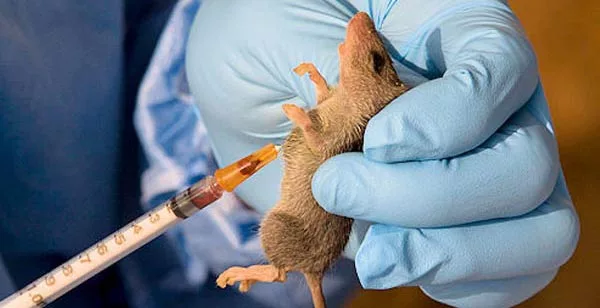
The disease follows a seasonal rhythm that health authorities know by heart. Cases peak between November and March during the dry season when multimammate rats move closer to human dwellings.
Young adults aged 21-30 bear the heaviest burden, often breadwinners whose deaths devastate entire families. The transmission mechanism is well understood—contact with infected rat excreta. The prevention methods are known. Yet the infections continue spreading with deadly regularity.
What makes this crisis particularly infuriating is how preventable it is. Lassa fever is not some mysterious pathogen that stumps medical science. It’s a rodent-borne disease that thrives in conditions of poor sanitation, inadequate housing, and weak surveillance systems. Countries with similar challenges have successfully controlled comparable diseases through sustained public health interventions.
Nigeria has chosen a different path: reactive crisis management that treats symptoms while ignoring root causes.
The healthcare system’s diagnostic failures compound the tragedy. Early Lassa fever symptoms—fever, weakness, headache—mirror malaria, leading to misdiagnosis and delayed treatment. In communities where malaria is endemic, healthcare workers often default to malaria treatment protocols without considering other possibilities.
By the time Lassa fever is correctly diagnosed, patients may have progressed to severe stages involving organ damage and hemorrhage, where treatment becomes more difficult and mortality rates soar.
This diagnostic confusion reveals deeper problems with medical training and laboratory capacity. How many healthcare workers in high-risk states have received specific training on Lassa fever recognition and management? How many health facilities have the laboratory capacity for rapid diagnosis?
How many communities have access to healthcare workers who can distinguish between malaria and Lassa fever symptoms? The answers to these questions explain why case fatality rates remain stubbornly high despite decades of experience with the disease.
Consider what effective intervention would look like. It would start with massive investment in housing improvements in high-risk communities, including rodent-proofing measures and proper waste management systems. It would involve training healthcare workers throughout the affected regions on differential diagnosis and early treatment protocols. It would require establishing rapid diagnostic capabilities in rural health centers, not just tertiary hospitals in state capitals.
Most importantly, it would demand sustained funding for prevention programs that operate year-round, not just during outbreak seasons. The current approach—mobilising resources when cases spike then withdrawing attention when numbers decline—guarantees that next year will bring another predictable crisis.
The Nigeria Centre for Disease Control and Prevention publishes detailed situation reports that document the scope of the problem. These reports serve as historical records of institutional failure rather than tools for prevention. Week after week, they track new cases, calculate fatality rates, and identify affected communities. But tracking disease is not the same as preventing it.
What we need instead is honest acknowledgment that current approaches have failed. The slight improvements in some years—like the reduction from 214 deaths in 2024 to 162 deaths currently—should not obscure the fundamental reality that hundreds of Nigerians continue dying from a preventable disease every year.
Celebrating marginal improvements while communities remain at risk is like praising a fire department for letting fewer houses burn down while refusing to invest in fire prevention.
The affected states bear special responsibility for addressing this crisis. They cannot continue treating Lassa fever as a federal government problem while their residents pay with their lives.
State governments should establish dedicated rodent control programs, invest in housing improvements for vulnerable communities, and ensure their healthcare systems can diagnose and treat the disease effectively.
The federal government must move beyond surveillance and situation reports to sustained prevention programs. This means funding environmental improvements in high-risk communities, establishing diagnostic capabilities in rural areas, and training healthcare workers throughout the affected regions. It also means addressing the underlying conditions—poverty, poor housing, inadequate sanitation—that make communities vulnerable to rodent-borne diseases.
The pattern is clear: every dry season brings predictable outbreaks, emergency responses, situation reports, and promises of better preparedness. Then attention shifts elsewhere until the next crisis arrives.
This cycle has cost 883 lives in five years and will claim hundreds more unless we break it.
Lassa fever is a test of Nigeria’s commitment to protecting its most vulnerable citizens. The disease disproportionately affects rural communities with limited political influence and economic resources.
Their suffering rarely generates the urgency that middle-class health concerns produce. But a healthcare system that cannot protect rural communities from preventable diseases ultimately fails everyone.
We’ve got the edge. Get real-time reports, breaking scoops, and exclusive angles delivered straight to your phone. Don’t settle for stale news. Join LEADERSHIP NEWS on WhatsApp for 24/7 updates →
Join Our WhatsApp Channel