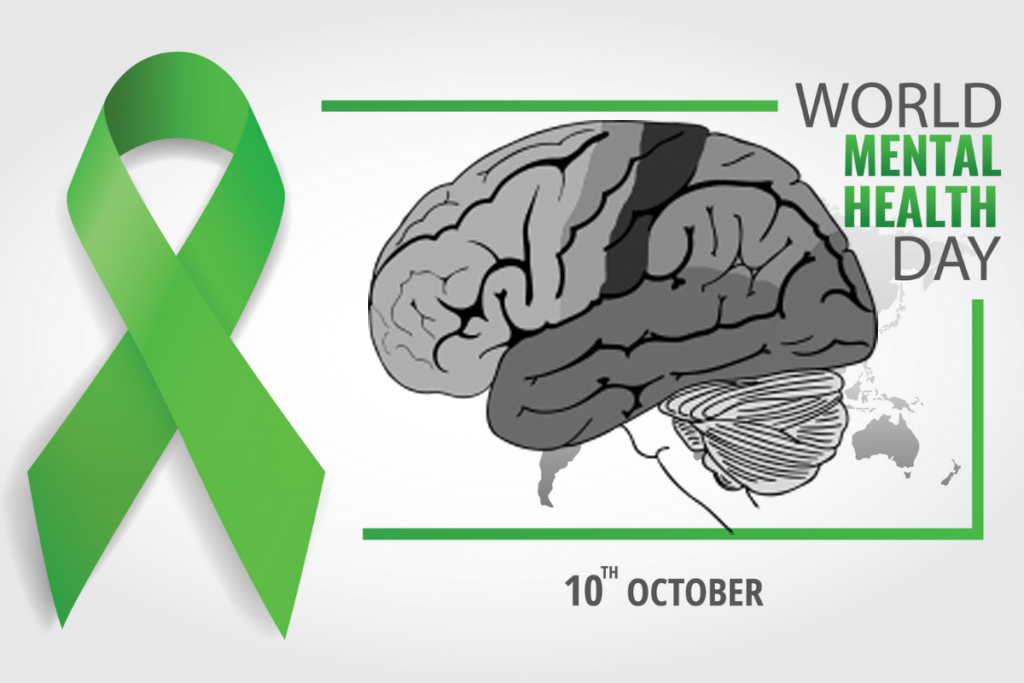
World Mental Health Day is marked annually on October 10, and this year’s theme, Mental Health at Work, shines a spotlight on the vital need for mental health care, especially in professional environments.
The discussion around mental health has brought to light a critical issue in Nigeria – the extreme shortage of psychiatrists and mental health professionals amid a growing crisis.
It is estimated that one in four Nigerians – over 50 million people – will experience a mental health issue at some point in their lives. Yet, the country’s healthcare infrastructure falls tragically short of addressing this massive need.
Currently, fewer than 200 psychiatrists serve the entire country, leading to an alarming ratio of one psychiatrist per one million people. This is far below the World Health Organisation’s (WHO) recommended ratio of one psychiatrist per 10,000 people. With a population of over 240 million, the numbers paint a bleak picture.
The situation is exacerbated by Nigeria’s brain drain crisis, with many of the country’s trained mental health professionals emigrating for better opportunities abroad. As a result, millions of Nigerians, particularly those in rural areas, face overwhelming challenges in accessing mental health care.
According to the WHO, mental health is more than the absence of disorders. It is a state of well-being that allows individuals to cope with daily stresses, realise their potential, learn and work effectively, and contribute to their communities.
However, mental health exists on a continuum, experienced differently by each person, and can result in diverse social and clinical outcomes.
Nigeria’s mental health challenges are intensified by deep-rooted economic hardships, insecurity, and other social adversities. These factors have led to a notable rise in mental health conditions across the country, yet 85% of Nigerians still lack access to mental health services. Rural areas, where the majority of the population lives, are particularly underserved.
The president of the Association of Psychiatrists in Nigeria (APN), Professor Taiwo Obindo, paints a grim picture. He highlights the strong link between rising suicide rates and untreated mental health issues in Nigeria, noting that 90 percent of suicide attempts are connected to underlying mental illnesses, with 80 percent of these cases related to depression.
Despite these sobering statistics, a heavy stigma surrounding mental health persists. Those who seek help are often met with scorn, leaving many to suffer in silence.
The federal government has made some progress, notably with the passing of the Mental Health Bill in January 2023, which replaced the outdated Lunacy Act. This landmark legislation decriminalises suicide attempts, protects the rights of those with mental health conditions, and calls for the integration of mental health services into primary healthcare.
However, nearly two years after, the implementation of the law remains a significant challenge. Mental health services remain scarce, and integration with primary care seems to be more of an aspiration than a reality.
While discussions about mental health in the workplace are becoming more common, stigma continues to plague those with severe mental health conditions. It is not enough to raise awareness – concrete action is needed.
The government must do more than distribute palliatives; it must establish a robust social welfare system that improves the overall living conditions of Nigerians. Although mental health conditions do not always result in diminished well-being, they often put individuals at greater risk of poor mental health outcomes.
It is also essential that mental health coverage be included under the National Health Insurance Authority (NHIA). Investment in mental health professionals must be prioritised, with better remuneration and working conditions to help curb the brain drain. Furthermore, mental health services must be fully integrated into primary healthcare to ensure that even those in remote areas have access to the support they need.
Experts have long called for increased investment in the training and retention of mental health professionals, as well as for expanding services to underserved areas. These steps are critical if Nigeria is to meet the growing demand for mental health care.
Ultimately, Nigeria cannot afford to treat mental health as an afterthought. The time has come to confront the stigma, expand access to care, and ensure that every Nigerian – whether in a bustling city or a distant rural community – has the mental health support they need and deserve.
We’ve got the edge. Get real-time reports, breaking scoops, and exclusive angles delivered straight to your phone. Don’t settle for stale news. Join LEADERSHIP NEWS on WhatsApp for 24/7 updates →
Join Our WhatsApp Channel