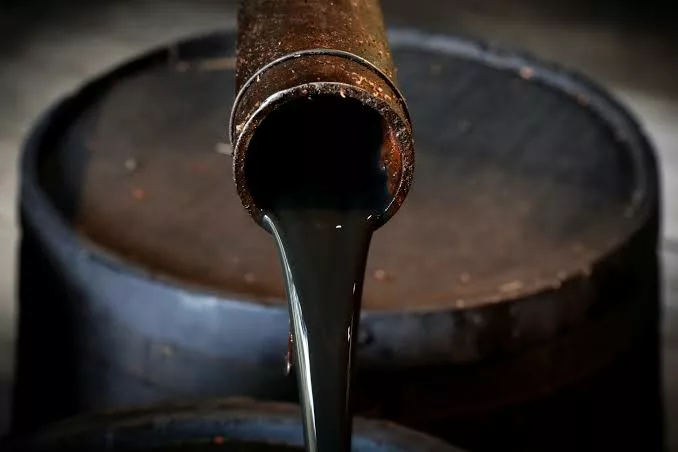
Nigerians have once again been given false hope about the return of the Port Harcourt refinery to full operational capacity.
In December 2023, the Minister of State for Petroleum Resources, Heineken Lokpobiri, announced the “mechanical completion” of repairs and promised the refinery would resume operations by the end of the year.
At full capacity, the PHRC can refine 60,000 barrels per day which is approximately over 10 million liters of Premium Motor Spirit popularly called petrol. This number of litres can add to the daily consumption demands of the Nigerian people and help to reduce the burden caused by the importation of refined products and perhaps reduce the crippling price of petroleum products.
Chief Corporate Communications Officer, Nigerian National Petroleum Company Limited (NNPCL) Olufemi Soneye, gave a statement detailing completed works, equipment installation, and mechanical completion of the Port Harcourt Refinery. This may indeed have partly explained the ‘Mechanical Completion’.
However, it appears this was premature and misleading, as the refinery is still not able to process crude oil into refined products.
This disappointing development is just the latest chapter in the sad saga of Nigeria’s oil refineries. All four state-owned refineries, which have a combined capacity of 445,000 barrels per day, have been practically dormant for years.
Repeated efforts and billions of dollars invested in repairs and rehabilitation have failed to bring them back to full operational status.
The impact on Nigeria has been immense. The lack of domestic refining capacity forces Nigeria to import the bulk of its fuel needs.
This is a massive drain on scarce foreign exchange reserves. It also leaves consumers at the mercy of global oil price volatility and dependent on foreign suppliers. Subsidies on petrol prices cost the government billions of dollars annually.
The sorry state of the refineries causes Nigeria an estimated loss of thousands of potential jobs, economic opportunities, energy security and national pride. The Port Harcourt refinery alone, if running at full tilt, could meet about 50 percent of Nigeria’s petrol needs. That would be a huge boon to the economy.
So why does Nigeria consistently fail to fix its refineries? The reasons are complex, but boil down to poor management, corruption, sabotage and a lack of political will for reform.
For decades, the refineries have been cash cows for corrupt officials, who benefitted more from importing fuel than refining it at home.
Maintenance budgets were diverted and skilled workers retrenched. An unstable policy environment and political interference compounded the rot.
The rehabilitation of the Port Harcourt refinery under the Buhari administration was meant to signal a new dawn.
The government approved $1.5 billion for the project in 2021, which was handed to Italian firm Maire Tecnimont to execute within 18 months. Nigerians were told the refinery would resume 90 percent production capacity by the end of 2023.
The recent “mechanical completion” appears to have been a publicity stunt, however. According to experts, the refinery’s units still cannot process crude oil into refined products. Critical work remains unfinished. The government knew this but still tried to mislead Nigerians for political gain.
Nigerians have a right to feel disillusioned and skeptical about any further promises to fix the refineries. It seems the more things change, the more they stay the same. Every administration repeats the same failed approaches without addressing the root problems.
Nonetheless, Nigeria cannot afford to abandon domestic refining capacity. The economic and social costs are too great.
We strongly suggest the federal government should take sincere steps to get the refineries operational. This includes proper project oversight, accountability for funds, utilizing the best expertise, and strict timelines for progress.
In our view, the government also needs to prioritise reforms to the oil sector, including restructuring and possible privatisation of the refineries.
Allowing competent private investors to take over may be the lifeline needed. This should be accompanied by stronger regulatory oversight to ensure efficiency, safety standards and fair fuel prices. Nigeria’s dependency on fuel imports cannot continue indefinitely.
In the 21st century, it is simply shameful for a major oil-producing country like Nigeria to lack functional refineries and import virtually all its domestic fuel needs.
While finishing the Port Harcourt refinery repairs is critical, broader reforms across the downstream oil sector are urgently required.
We advise that the government should expedite action to restore not just the Port Harcourt Refinery but the other three in Warri and Kaduna.
The nation can also support modular refineries to commence operations in order to reduce the price of the products which the people are struggling to cope with at the moment plus the adverse effects on the economy.
We are also concerned about the possibility of the refinery not working at all despite all the commitment and the resources according to experts in the field.
This will be a huge waste of time and resources and more hopelessness for the Nigerian people. We only appeal for more openness and transparency instead of giving the people false hope couched in semantic jargons
Nigeria’s leaders must make tough choices to drag the industry out of its dysfunctional state. Only then can the decades-long wait for working refineries finally end. Nigerians deserve no less.
We’ve got the edge. Get real-time reports, breaking scoops, and exclusive angles delivered straight to your phone. Don’t settle for stale news. Join LEADERSHIP NEWS on WhatsApp for 24/7 updates →
Join Our WhatsApp Channel