
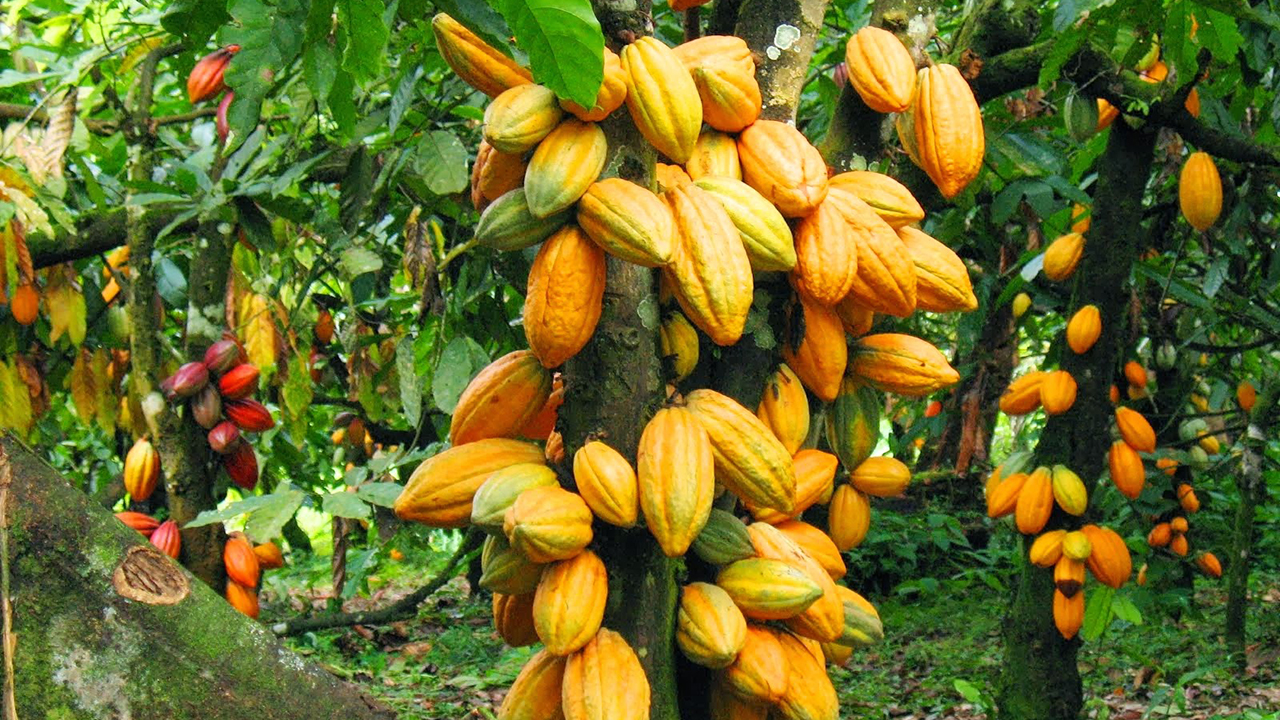
Nigeria’s economic history will be incomplete without a chapter on the cocoa boom that transformed Western Nigeria into a hub of prosperity, educational advancement and regional development.
This enviable era began before crude oil became the mainstay of the national economy. Cocoa, fondly called the “brown gold”, was the lifeblood of the old Western Region, shaping its identity and laying the foundation for enduring progress.
Its cultivation in Nigeria dates back to the late 19th Century when some returning missionaries and traders introduced it. By the early to mid-20th Century, the crop flourished in the West, particularly in areas that now make up Oyo State, Ondo State, Osun State and Ekiti State. The region’s favorable climate—marked by adequate rainfall and rich loamy soil—made it an ideal hub for cocoa farming.
According to Wikipedia, the earliest cocoa farms in Nigeria were in Bonny and Calabar in the 1870s but the area proved not suitable for cultivation. “In 1880, a cocoa farm was established in Lagos and later, a few more farms were established in Agege and Ota. From the farms in Agege and Ota information disseminated to the Yoruba hinterland about cocoa farming, thereafter, planting of the tree expanded in Western Nigeria,” it said.
At the heart of this agricultural revolution was the visionary leadership of the late Chief Obafemi Awolowo, the Premier of the old Western Region, who recognised the economic potential of cocoa.
His administration implemented policies that strengthened cooperative societies, improved farm practices and ensured fair pricing for farmers. The establishment of marketing boards further stabilised the industry, guaranteeing income for producers and enabling large-scale investments in infrastructure and social services.
The impact of cocoa wealth on the Western Region was profound and far-reaching. Revenues from cocoa exports funded landmark projects that remain symbols of progress to this day. The iconic Cocoa House, completed in 1965, stood as the tallest building in tropical Africa at the time. Similarly, proceeds from cocoa financed the establishment of the University of Ife (now Obafemi Awolowo University), a world-class institution that has produced generations of scholars and leaders.
Perhaps the most celebrated achievement of the cocoa era was the introduction of free primary education in 1955 by the Western Region government. This bold policy, funded largely by cocoa revenues, revolutionised access to education and significantly boosted literacy rates. It empowered thousands of children from humble backgrounds, creating a skilled workforce that would drive Nigeria’s development for decades.
Beyond education, cocoa wealth supported the expansion of healthcare services, rural electrification, and road networks. Farm settlements were established to modernise agriculture and attract young people to farming, while research institutes worked to improve crop yield and disease resistance. The region became a model of self-sustaining development, admired across Africa and beyond.
We’ve got the edge. Get real-time reports, breaking scoops, and exclusive angles delivered straight to your phone. Don’t settle for stale news. Join LEADERSHIP NEWS on WhatsApp for 24/7 updates →
Join Our WhatsApp Channel