
The Fulani, also known as Fula people, are reported to have a population of over 18 million in West and Central Africa. They are also described as the world’s largest nomadic pastoralist group, who originated from a mix of North African/Berber and West African ancestors.
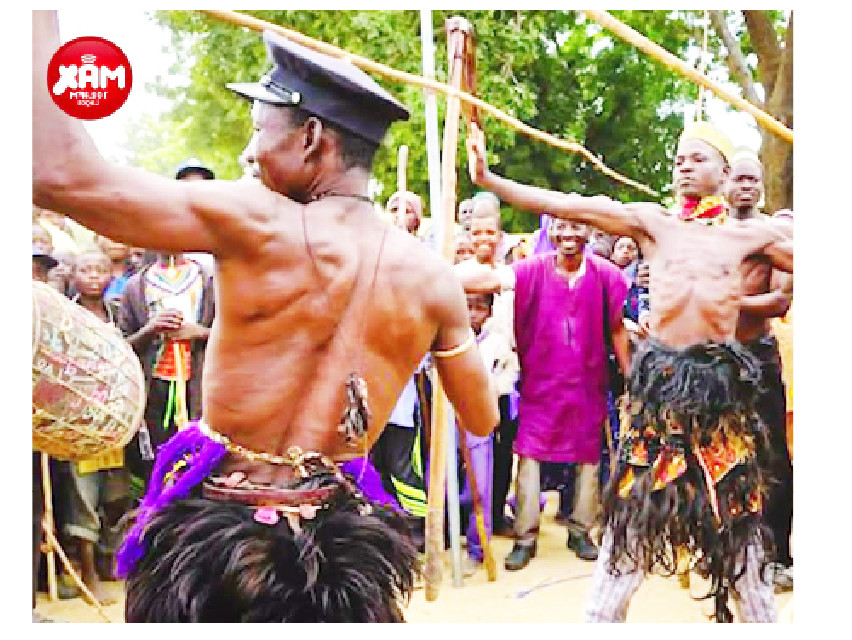
Beyond religion, they have a distinct culture celebrated as the Sharo Festival.
According to Wikipedia, Sharo is a Fulani term used to express the test of a young man’s manhood by introducing flogging.
Oral histories trace the origin to early Fulani communities, which devised the ritual as a public test of bravery, a prerequisite for social recognition and, in many cases, marriage.
It is commonly staged during important communal gatherings, often around weddings or major Islamic festivities.
The basic criteria are that participants must be of age, unmarried, and ready to undergo the ordeal publicly. Each contestant faces a challenger who administers strokes of the cane, while the initiate remains totally composed.
Any sign of pain, such as flinching, crying, or stepping back, implies failure, while calm endurance earns honour and prestige.
Historically, the ritual served not just as entertainment but as a social filter. In a society where cattle herding required resilience and emotional control, Sharo becomes a symbolic measure of a young man’s readiness to shoulder adult responsibilities. Successful participation elevates one’s standing, often opening the door to marriage and strengthening family reputation within the clan.
The festival also has social and economic prestige. Socially, it reinforces communal bonds, preserves Fulani identity, and transmits core values such as bravery, discipline, and honour across generations. It also provides a structured transition into adulthood, ensuring continuity in societal roles.
Economically, Sharo festivals stimulate local commerce. Large gatherings attract visitors, boosting petty trade in food, clothing and traditional ornaments. Performers, praise singers and artisans find opportunities to earn income, while livestock trading—central to Fulani life—often intensifies during the festivities.
We’ve got the edge. Get real-time reports, breaking scoops, and exclusive angles delivered straight to your phone. Don’t settle for stale news. Join LEADERSHIP NEWS on WhatsApp for 24/7 updates →
Join Our WhatsApp Channel