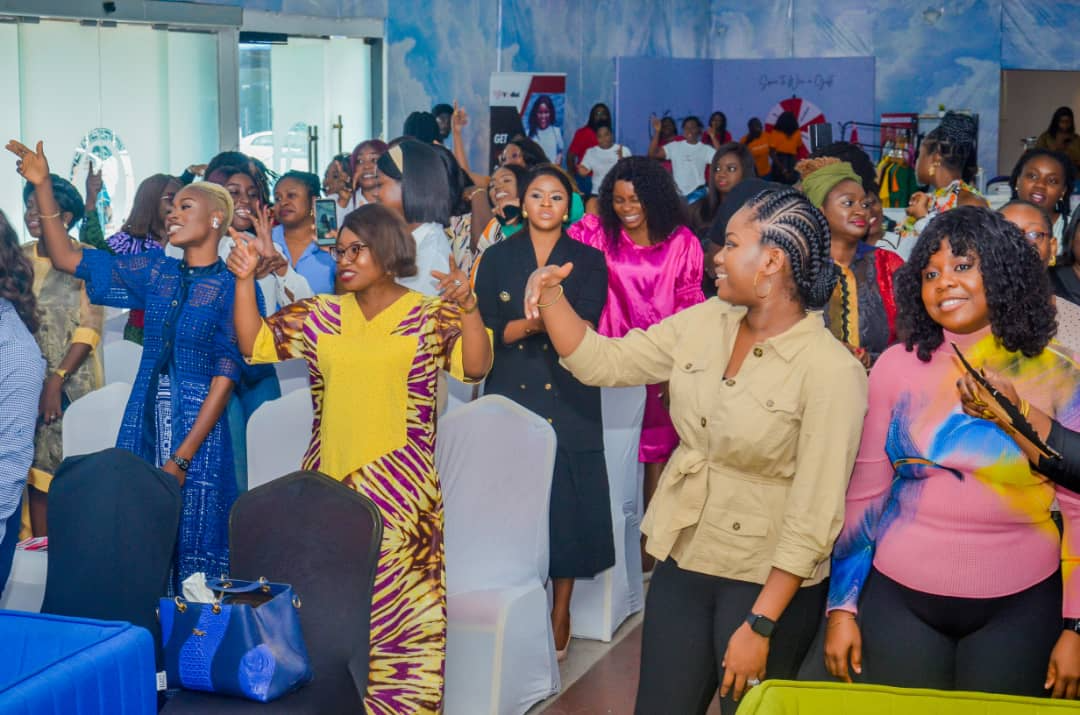
Nigeria is facing a disturbing phenomenon of poor female representation in elective positions at all levels of the democratic space.
A glance at the compositions of the current legislature will expose this saddening scenario. The 10th National Assembly has three female members of the 109 seats in the Senate or 2.7 per cent. In the House of Representatives, there are only 17 female members of the 360 membership, or 4.7 percent, which represents an average of 4.2 percent of the 469-member Assembly.
In the 9th National Assembly, there were eight female Senators, 7.3 percent and 13 female members of the House of Representatives, 3.6 percent, which represents an average of 4.5 percent of the entire Assembly.
At the state level, women did not fare any better. There are reports that in about 15 state assemblies, there is not even one female representation, and in the states where they won seats, they are insignificant in number. These figures are abysmal and unacceptable because no society develops with more than half of its population relegated to the economic and political backwaters.
We believe that this is a huge challenge because, in other smaller African countries, female representation in parliament and other elective and appointive positions has improved tremendously. Rwanda, for instance, has about 61 percent female representation in parliament. South Africa has 46.23 percent, Senegal has 46.06 percent, and Namibia has 44.23 percent, among others. Even in war-torn Somalia, over 20 percent of female representation is in parliament.
This disturbing situation has compelled massive efforts by civil society organisations and interest groups to improve the status of women in Nigeria, but the results are not far-reaching enough.
Last year, the male-dominated National Assembly tossed out a Constitutional Amendment bill to provide specific legislative seats (30 percent affirmative action) for women at the Federal and State levels.
However, there are renewed efforts to pursue the matter with better strategy and consistency, which some civil society organisations (CSOs) believe will persuade the National Assembly to take action to support an increase in the number of women representation in government by passing specific Constitution Alteration bills to achieve this.
We support every effort to improve women’s political fortunes, especially legislative measures. We understand the obstacles women face in realising their political dreams, such as gender discrimination and some cultural practices that hinder women.
We also acknowledge that women face serious financial barriers in a heavily monetised political landscape such as Nigeria.
However, the nation ought to intensify efforts to discard such practices and reduce the influence of money in politics. The place to start is by fighting the culture of violence in politics, which most women find appalling. Another major reason more women shun politics is its perception as a dirty game.
As a newspaper, we are encouraged that First Lady Oluremi Tinubu has elevated the campaign for women’s emancipation.
At the just-concluded First Ordinary Session of the ECOWAS Parliament in Abuja, she told the sub-region’s Female Parliamentarians Association (ECOFEPA) that it is time to rise to the occasion, even as she acknowledged the significant barriers that women in the West African sub-region face in achieving gender parity.
She stated, “Today, we are reminded of the critical need to address and overcome the persistent gender disparities in our political systems. Despite the progress made, significant barriers still exist that inhibit the ability of African women to claim a larger stake in the political process. These barriers include deeply entrenched societal norms, systemic discriminatory practices, structural issues within our political systems, and financial incapability.
“Quotas have proven to be a powerful tool in enhancing women’s political participation. They ensure a minimum number of seats are allocated to women, thereby promoting gender balance. Countries such as Sweden, Norway, and Spain have successfully used gender quotas to achieve significant representation of women in their parliaments, leading to more inclusive and representative governance.
“However, when we compare the data globally, we see that many countries have implemented quotas to improve women’s representation in governance. This stark difference underscores the urgency for strategic planning and implementation of effective measures to meet the ECOWAS statute requiring 30 The Speaker of the ECOWAS Parliament, Hon. Memounatou Ibrahima, also believes that more women should be allowed greater representation in ECOWAS governance bodies, stressing that the role of women in decision-making processes and women’s participation is crucial for a more just and balanced society.
We believe that while constitutional amendments may also be necessary to enshrine gender equity in political representation, the women on their path must change their orientation towards politics. Lots of women, both young and old, appear to be averse to politics. Their lethargic attitude to politics needs to change. On another dimension, most women lack strategy when it comes to political manoeuvring when it matters most.
The journey towards achieving 30 percent women representation in the Nigerian parliament is achievable once the women take the bold step to kickstart the journey to an enduring democracy of quality representation. But they must have a sound strategy and remain consistent.
We’ve got the edge. Get real-time reports, breaking scoops, and exclusive angles delivered straight to your phone. Don’t settle for stale news. Join LEADERSHIP NEWS on WhatsApp for 24/7 updates →
Join Our WhatsApp Channel