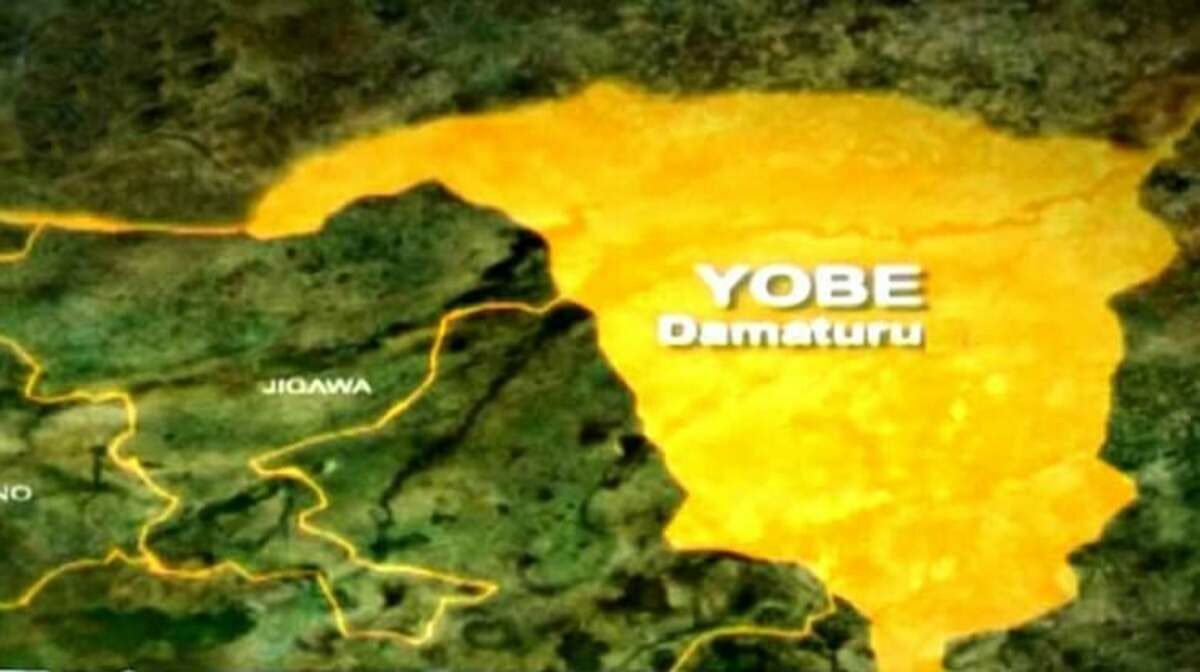
In Yobe, especially in communities within Bade and Jakusko local government areas, many people reportedly die annually due to the menace of chronic kidney disease. The prevalence of the health challenge and its devastating impact on the communities affected is confounding the authorities
Experts claim that at the heart of this condition is the presence of heavy metals in water sources. Other factors such as chronic dehydration, agricultural chemicals, and sometimes high blood pressure also contribute to this disturbing situation.
The kidney, the main of the body affected by this outbreak, is a crucial organ in the human body that filters blood by removing waste products and excess fluids, which are expelled as urine.
Essentially, kidneys help regulate blood pressure, balance salts and minerals, and assist the body in producing red blood cells and maintaining strong bones.
Chronic kidney disease occurs when the kidneys are damaged and can progress to end-stage kidney failure. It is well known that kidney disease often shows no early symptoms until it reaches advanced stages.
However, common signs of the disease include foamy urine, persistent swelling in the feet and ankles, fatigue, changes in urination frequency, dry and itchy skin, and nausea. This condition is deadly unless a person receives a kidney transplant or starts dialysis.
According to the World Health Organisation (WHO), kidney diseases are now the ninth leading cause of death worldwide, with the number of deaths rising by 95 per cent between 2000 and 2021.
In Nigeria, the Association of Nephrology reported that over 20 million citizens suffer from kidney diseases, with 20,000 of them progressing to end-stage kidney disease annually, requiring life-saving interventions such as dialysis or a kidney transplant. Sadly, despite this distressing data, the government has yet to recognise kidney disease as a healthcare priority.
For residents of Bade and Jakusko local government areas, where this disease is widespread in many communities and has resulted in the loss of many lives, no effort in fighting it is ever too great.
What actions are the subnational government taking? How long will residents in communities worst affected continue to suffer? What coordinated efforts are being made to directly address this menace? Are there immediate and sustainable solutions being considered? These are posers begging for attention.
In its response to this situation, the state government is addressing the challenge with urgency it deserves. To demonstrate the state government’s commitment, Governor Mai Mala Buni recently commissioned a Biomedical Science Research and Training Centre (BioRTC).
Well-equipped to operate optimally, the Centre marked a significant milestone in efforts to boost research on kidney disease, as it is already conducting one of the most comprehensive studies of the condition.
BioRTC scientists have developed a new type of open-science microscopes that are more affordable, battery-powered, and durable enough for fieldwork. Currently being tested for malaria diagnosis, these devices aim to bring vital diagnostics closer to communities that have long been remote from laboratories.
As Governor Buni pointed out, the centre, which is designed to serve as a hub for training, innovation, and collaboration among scientists across the continent, has the potential to turn Africa from a consumer of foreign-developed medicines into a producer of indigenous solutions.
Interestingly, Yobe’s BioRTC, a scientific resource aiming to promote more inclusive, precise, and locally relevant research, has trained over 1,000 participants from Yobe State, other parts of Nigeria, and across Africa through summer schools, workshops, and international training programmes fully supported by the state government.
Although the centre is focusing on re-engineering scientific research in Yobe and, by extension, Nigeria, the fact that it has begun a detailed study of kidney disease prevalence is more reassuring.
We urge the Yobe State government to take all necessary actions to ensure the Centre operates effectively and fulfils its mandate. Otherwise, the celebration of its official commissioning will be meaningless.
Nonetheless, we commend the state government’s renewed focus on addressing the threat of chronic kidney disease. While the Governor Buni-led administration continues to provide dialysis support and has assured that it will establish an additional dialysis centre in Gashua this year to lessen the burden of long-distance travel for patients, it is evident that the state cannot manage this alone.
Chronic kidney disease is an emergency in Yobe State, and at the very least, the federal government should intervene by establishing a national kidney disease centre to assist state governments’ efforts.But most importantly, the federal government needs to recognise kidney disease as a healthcare priority and allocate appropriate resources to it.
We’ve got the edge. Get real-time reports, breaking scoops, and exclusive angles delivered straight to your phone. Don’t settle for stale news. Join LEADERSHIP NEWS on WhatsApp for 24/7 updates →
Join Our WhatsApp Channel