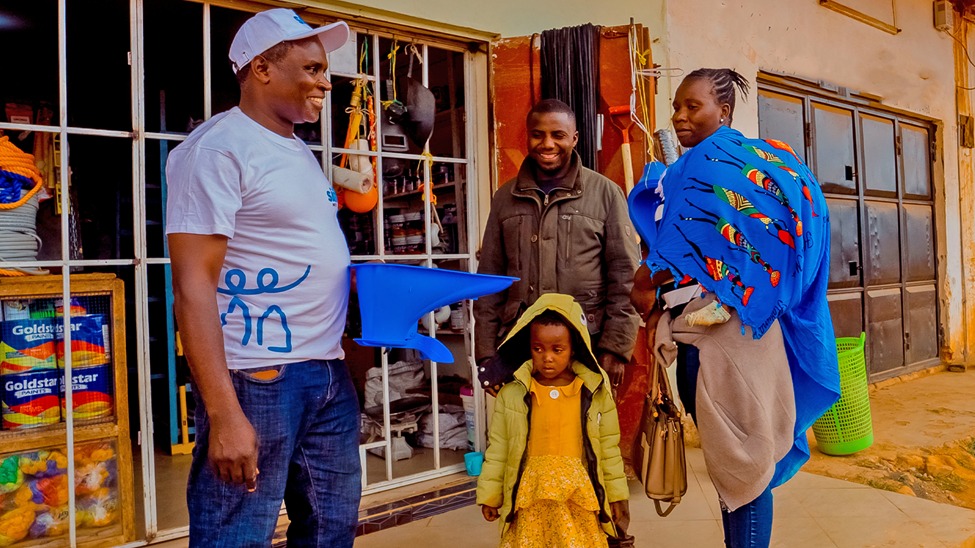
By Samuel Langat
Nigeria does not have a sanitation problem because people are unaware. It has a sanitation problem because, for decades, the approaches relied on have not scaled. Today, over 130 million Nigerians lack access to safely managed sanitation, and more than 48 million still practice open defecation.
These are not abstract numbers; they define daily life across rural villages, densely populated urban settlements, and underserved regions where infrastructure has not kept pace with population growth. With the population projected to exceed 400 million by 2050, the consequences of inaction will only intensify.
The cost of delay is already severe. According to UNICEF, poor sanitation contributes to over 70,000 child deaths annually, largely from preventable diarrheal diseases. It drains an estimated $3 billion each year through healthcare costs, lost productivity, and reduced economic output.
(Source: Vanguard) For families, these numbers translate into children missing school, women facing unsafe conditions at night, and communities trapped in cycles of illness and poverty.
Globally, the challenge is mirrored: 3.4 billion people lack safely managed sanitation, and 354 million still resort to open defecation. If decades of effort have not closed this gap, the real question is whether we are doing the right things.
Since 2016, SATO, a social business part of LIXIL, has demonstrated that sanitation can scale when it is treated as a business, not just a mission. SATO has reached over 103 million people across 59 countries and territories, providing affordable, water-saving solutions like toilet pans, and handwashing solutions in homes, schools, healthcare centers, and humanitarian settings. But the significance of this milestone is not only in numbers; it is proof that systems designed to endure can transform lives.
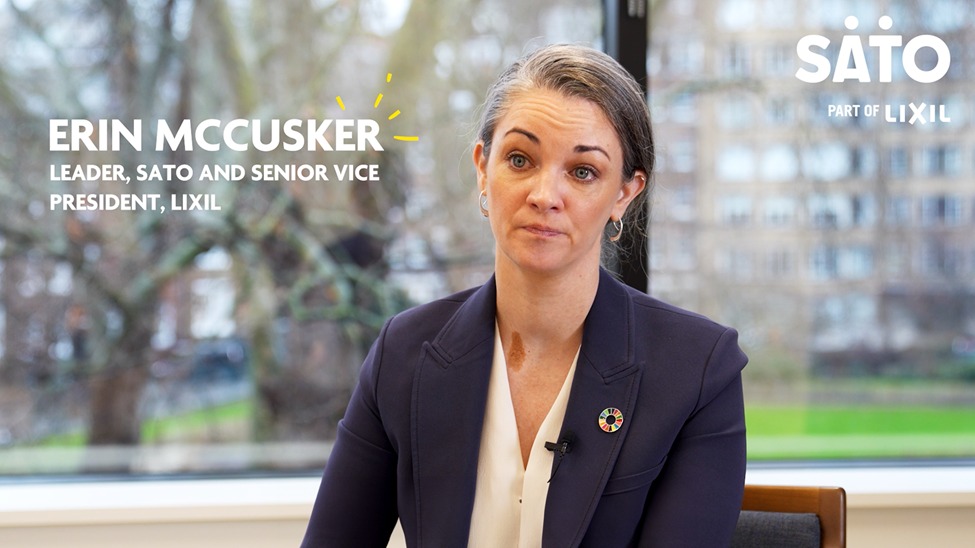
Samuel Langat, Leader, Africa, SATO, reflects: “103 million lives transformed worldwide is a powerful reminder that access to safe sanitation is a basic human right. With Africa at the forefront, this achievement honors the effort of our teams and partners and motivates us to continue bringing health and dignity to more people.”
The impact in Nigeria is tangible. Improved sanitation reduces diarrheal diseases significantly, directly lowering health risks for children and other vulnerable groups. In schools, safe, dignified facilities increase attendance, particularly for girls, reinforcing the link between sanitation and education. Families regain privacy and safety, while communities reduce the risk of disease outbreaks, demonstrating that sanitation is not just a health issue; it is foundational to social and economic resilience.
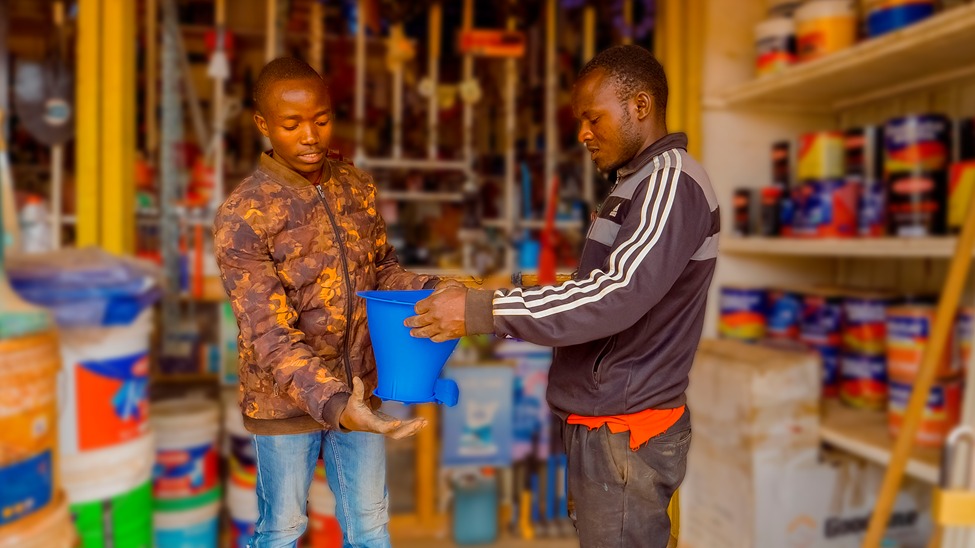
But products alone do not create change. Systems do. SATO’s expansion in Nigeria relies on partnerships with local manufacturers, entrepreneurs, NGOs, and government programs, creating decentralized distribution networks that reach even the most remote communities. Thousands of small-scale sanitation businesses have been supported, generating jobs and income while strengthening supply chains and ensuring access continues long after installation. This is what makes the model different: sanitation is treated as a business, not a one-time delivery. It generates demand, sustains livelihoods, and endures.
At the national level, Waheed Kareem, Leader, Nigeria, SATO, emphasizes the human impact: “The 103 million milestone warms my heart for Nigeria’s vulnerable children, mothers, and girls, giving them privacy and protection from open defecation risks. Communities have reclaimed health and security through our sustainable sanitation and hygiene solutions, and I am deeply grateful to our partners and team for making this purpose-driven impact possible.”
The economic case is equally compelling. The World Health Organization (WHO) estimates that for every $1 invested in sanitation, there is a return of about US$5.50 through reduced healthcare costs, increased productivity, and fewer premature deaths. (Source: WHO) In a country losing billions annually to preventable sanitation-related impacts, this is not just a development priority, it is an economic imperative.
The lesson from Nigeria is clear: governments and NGOs remain critical, but their efforts multiply when aligned with scalable, market-driven solutions. When sanitation is locally produced, distributed, and maintained, it stops being an external intervention and becomes part of the community itself. Households do not just adopt solutions; they advocate for them. Behavior change spreads. Communities gain ownership.
Nigeria’s experience demonstrates that dignity, safety, and health cannot be delivered temporarily, they must be built into systems that endure. Market-driven, partnership-led approaches accelerate progress toward SDG 6.2, ensuring that access to safe sanitation becomes a foundation for education, economic opportunity, and resilience. Families invest less time managing preventable illness and more time in school and livelihoods. Communities gain strength against disease outbreaks, while local entrepreneurs and toilet business owners turn sanitation into a sustainable source of income.
The numbers are impressive. Millions reached. Diseases reduced. Economic losses mitigated. But behind every figure is a story of a child returning safely to school, a mother no longer risking assault at night, and a community reclaiming control over its health and future. The real question is no longer whether Nigeria can solve its sanitation crisis. The question is whether it will move beyond outdated models and scale solutions already proving their effectiveness. Because the cost of delay is not abstract, it is measured in lives lost, opportunities missed, and dignity denied.
Sanitation is not only an infrastructure side issue. It is health, education, and economic growth. And when systems are designed to scale, change is not incremental, it is transformative.
To learn more about SATO visit www.sato.lixil.com
We’ve got the edge. Get real-time reports, breaking scoops, and exclusive angles delivered straight to your phone. Don’t settle for stale news. Join LEADERSHIP NEWS on WhatsApp for 24/7 updates →
Join Our WhatsApp Channel