The Colleges of Education Academic Staff Union (COEASU) has called on the federal government and state governments to ensure the full and timely implementation of its renegotiated 2026 agreement, including improved welfare provisions, agreed allowances and a seven-rung academic career structure for lecturers.
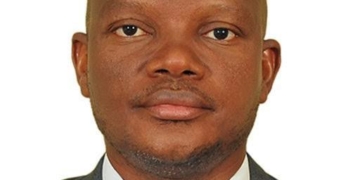
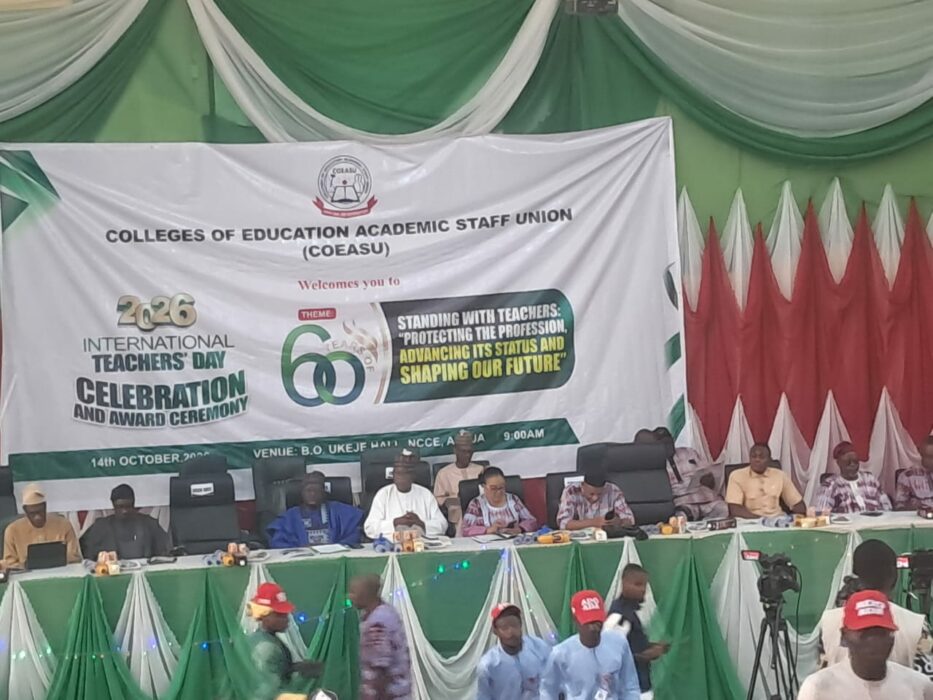
The National President of COEASU, Dr Ahmed Lawan Waziri, made the call at the union’s 2026 Teachers’ Day celebration held in Abuja, on Wednesday.
Waziri said the benefits of the agreement would only be realised when its provisions translated into tangible improvements in the working conditions and professional lives of lecturers in colleges of education across the country.
“The value of an agreement is realised when its provisions improve the working lives of those it covers.
“We therefore urge all responsible authorities to pursue full and timely implementation, including the mainstreaming of the agreed allowances into the monthly emoluments of our lecturers and the implementation of the seven-rung academic career structure,” he said.
The COEASU president commended President Bola Ahmed Tinubu, the Minister of Education, Dr Tunji Maruf Alausa, the Minister of State for Education, Professor Suwaiba Saad Ahmad, and other officials for their contributions to the renegotiation process and the development of teacher education.
He, however, stressed that sustained commitment from all relevant authorities remained necessary to ensure that the agreement’s provisions were fully implemented, particularly in state-owned colleges of education.
Waziri appealed to state governments and the management of their colleges of education to give the agreement the attention it deserved, noting that lecturers in state institutions played an equally important role in preparing teachers for the country.
“Our colleagues in state institutions carry the same responsibility of preparing teachers for Nigeria. Their welfare and professional development must remain central to our collective efforts,” he said.
The union leader also called for effective implementation of the Dual Mandate policy, which allows eligible colleges of education to offer both the Nigeria Certificate in Education (NCE) and approved degree programmes.
“We must give our students clear pathways for progression and equip our lecturers to meet the responsibilities of the expanded mandate. As we advance degree programmes, we must also sustain the quality and purpose of the NCE,” he said.
Meanwhile, the representative of the Minister of Education and Executive Secretary of the NCCE, Dr Angela Ajala, reaffirmed the Federal Government’s commitment to strengthening teacher education and improving professional standards.
Ajala said the ministry was implementing reforms to ensure that Nigeria produced qualified, competent and professionally grounded teachers capable of responding to the changing demands of education.
“The Federal Ministry of Education is implementing reforms aimed at repositioning teacher education and ensuring that Nigeria produces highly qualified, competent, professionally grounded, and skilled teachers,” she said.
She noted that the government was pursuing teacher professionalisation initiatives, including an accelerated pathway towards professional certification and licensing for eligible non-professional teachers already engaged in teaching.
The NCCE executive secretary also called for stronger investment in research, scholarship and professional development, describing teachers as central to national development.
“Teachers are not merely transmitters of knowledge; they are mentors, vision builders, character moulders, and custodians of the values that shape future generations,” she said.
We’ve got the edge. Get real-time reports, breaking scoops, and exclusive angles delivered straight to your phone. Don’t settle for stale news. Join LEADERSHIP NEWS on WhatsApp for 24/7 updates →
Join Our WhatsApp Channel