As the crescent moon signalled the end of Ramadan, Nigerian Muslims across the country celebrate Eid al-Fitr with prayers, feasts and acts of charity. After a month of fasting, self-denial and spiritual renewal, the festival brings joy, family gatherings and a sense of accomplishment. Yet this Eid arrives at a moment when Nigeria faces profound challenges. The lessons of Ramadan — discipline, empathy, unity and moral uprightness — offer not just personal solace but a powerful blueprint for national survival and progress.
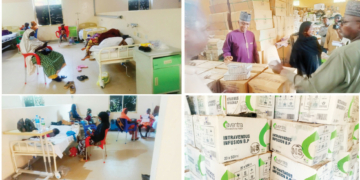
Ramadan has always been more than ritual. For millions of Nigerian Muslims, it has been a period of intense prayer amid hardship. Many fasted while grappling with the same struggles that define daily life: rising food prices, insecurity and uncertainty. In the Northeast and Northwest, families observed the fast, knowing that hunger is no longer seasonal but a constant threat. Recent projections from the World Food Programme paint a grim picture. Some 35 million Nigerians face severe hunger in 2026, with Northern states bearing the heaviest burden. In Borno alone, up to 15,000 people risk slipping into famine-level catastrophe. Attacks by armed groups prevent farmers from planting, supply routes are severed, and humanitarian funding has collapsed. The 2026 Humanitarian Needs and Response Plan for the Northeast is only 32 per cent funded, leaving a shortfall of over $347 million. Coverage by aid agencies has plummeted from over 1.3 million people last year to just 72,000 in frontline areas. UNICEF warns that without urgent intervention, 75 children in the Northeast could die daily from severe acute malnutrition.
These statistics are not abstract. They represent real suffering endured even during the month of fasting. Mothers in displacement camps in Borno broke their fast with little more than water and hope. Farmers in Zamfara and Katsina watched their fields lie fallow out of fear of bandits. Youth in Kaduna and Niger wondered whether the discipline of Ramadan would translate into opportunities denied by insecurity. The fast taught restraint and empathy, yet the nation’s broader reality often tested that patience to the breaking point.
Eid al-Fitr, therefore, arrives not only as a celebration but as a call to apply Ramadan’s core lessons to our collective crisis. The first lesson is empathy born of shared hunger. For twenty-nine to thirty days, Muslims experienced the pangs of deprivation that millions of their compatriots endure year-round. That shared suffering should awaken a deeper national compassion. When one region starves, the entire country bleeds. The hunger crisis in the North is not a sectional problem; it threatens national food security because the region remains Nigeria’s breadbasket. If we fail to protect farmers and restore agricultural zones, we risk condemning future generations to perpetual want.
The second lesson is unity. Breaking the fast together at Iftar gatherings reminded us that diversity strengthens rather than divides. Nigerians of all faiths and ethnicities have lived side by side for generations. Yet insecurity and political rhetoric continue to fracture that harmony. Banditry in the Northwest, insurgency in the Northeast and farmer-herder clashes in the Middle Belt have displaced thousands and eroded trust. Ramadan’s emphasis on community should inspire renewed commitment to national cohesion. Leaders at federal, state and local levels must prioritise inclusive security strategies that protect all citizens equally. Traditional rulers, religious leaders and civil society groups — many of whom facilitated peace during Ramadan — should expand those efforts beyond the holy month.
The third and perhaps most urgent lesson is moral rectitude. Fasting demands honesty, justice and self-accountability. It rejects corruption, greed and indifference. Nigeria’s challenges — from underfunded humanitarian plans to porous borders that enable banditry — reflect a deeper governance deficit. Public officials who allocate billions for agriculture and security on paper must match those commitments with transparent execution on the ground. Citizens, too, must reject the temptation to normalise suffering or look away from the other compatriots’ pain. The moral courage displayed in private devotion during Ramadan must now find expression in public life: demanding accountability, supporting community initiatives and choosing leaders who place national welfare above personal gain.
As Muslims exchange greetings of “Eid Mubarak” , the festival’s spirit of generosity offers practical hope. Zakat and sadaqah distributed during Eid can support local feeding programmes, therapeutic centres for malnourished children and small grants for displaced farmers. Beyond charity, however, the nation needs systemic change. The federal government should immediately close the humanitarian funding gap and launch a special initiative to strengthen rural security and agricultural protection. State governors in the North must revive traditional conflict-resolution mechanisms and invest in irrigation and youth employment. All Nigerians, regardless of faith, should recognise that peace and prosperity are indivisible. When the North thrives, Nigeria thrives.
Eid al-Fitr marks renewal. It reminds us that after every period of trial comes the promise of relief — provided we act with purpose. The lessons of this Ramadan must not fade with the last prayer. They must fuel a national awakening: empathy that bridges divides, unity that withstands insecurity, and moral rectitude that rebuilds trust in governance. Only then can we transform hunger into harvest, fear into confidence, and division into shared progress.
Nigeria stands at a crossroads. History will judge not by how loudly we celebrated Eid, but by whether we carried its spirit into governance and daily life. Let this Eid be the beginning of that transformation. Let it mark the moment when a fasting nation resolved to feed its people, secure its future and rise together as one.
We’ve got the edge. Get real-time reports, breaking scoops, and exclusive angles delivered straight to your phone. Don’t settle for stale news. Join LEADERSHIP NEWS on WhatsApp for 24/7 updates →
Join Our WhatsApp Channel