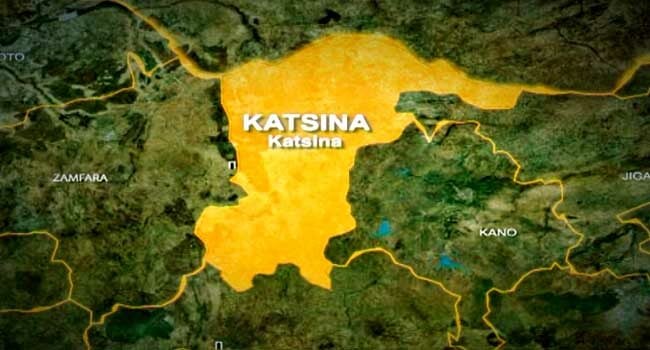
The extraordinary security measures announced by the Katsina State Government—including restrictions on Point-of-Sale (PoS) operations, commercial phone-charging centres, the sale of fuel in jerrycans, and the use of motorcycles in some local government areas—reflect the gravity of the security crisis confronting parts of the state. Faced with relentless attacks by bandits and kidnappers, government has a constitutional duty to act decisively to protect lives and restore public confidence.
Few Nigerians would dispute that extraordinary security threats may require extraordinary responses. What deserves equal attention, however, is how such responses are designed and implemented. Good intentions alone do not guarantee good outcomes. Policies must also be judged by the burdens they place on ordinary citizens and by whether those burdens are proportionate to the public benefits they seek to achieve.
Nigeria has travelled this road before. The 2023 naira redesign policy was introduced with legitimate objectives. It was intended to curb currency hoarding, reduce ransom payments, combat vote buying, and strengthen monetary control. Yet the implementation exposed millions of Nigerians to severe hardship. Cash became scarce, businesses stalled, hospitals turned away patients, transport was disrupted, and families struggled to meet their daily needs. Those who suffered most were not the criminal networks the policy sought to weaken, but ordinary citizens whose livelihoods depended on access to cash. The resulting socio-economic distress became so severe that the Supreme Court ordered an extension of the validity of the old naira notes.
The lesson from that experience is not that governments should avoid bold decisions. Rather, it is that bold decisions must be matched by careful planning, realistic implementation, and constant assessment of their impact on citizens.
That lesson is relevant today in Katsina. There is no doubt that criminal groups exploit motorcycles, fuel supplies, communication facilities and informal financial channels to sustain their operations. Denying them access to these resources may disrupt their activities. But those same resources are equally essential to farmers travelling to their fields, traders conducting daily business, artisans serving their communities, and families trying to earn an honest living.
PoS operators, in particular, have become the backbone of financial inclusion in rural Nigeria. In many communities they perform functions that conventional banks no longer provide. Restricting their operations inevitably affects market transactions, household incomes and small businesses. Likewise, commercial phone-charging centres have become indispensable where electricity supply remains unreliable. Fuel is not merely a commodity for criminals; it powers agriculture, transportation and countless micro-enterprises.
This is the difficult balance every government must strike. Security measures that deny criminals operational advantages should not, as far as possible, deny innocent citizens access to the basic services on which their daily survival depends.
This newspaper believes that the Katsina Government is entitled to take firm action against banditry. However, firmness should be accompanied by precision. Blanket restrictions should not become substitutes for intelligence-led policing, targeted law enforcement and stronger community engagement. Emergency powers should remain exactly that—temporary measures adopted under exceptional circumstances and reviewed regularly against measurable outcomes.
Government should therefore establish clear benchmarks for evaluating the restrictions. Citizens deserve periodic answers to simple but important questions. Have attacks declined? Have kidnapping incidents reduced? Have criminal supply chains been disrupted? Have arrests increased? If the evidence shows meaningful progress, public support for the measures will grow. If not, authorities should be prepared to refine or withdraw policies that impose heavy costs without delivering commensurate security gains.
The broader lesson extends beyond Katsina. Across Nigeria, governments at all levels increasingly face complex security, economic and social challenges that tempt policymakers to adopt sweeping emergency measures. Whether the issue is monetary reform, telecommunications restrictions, fuel controls or security directives, policymakers must recognise that implementation is as important as intention. A policy that weakens criminal networks but simultaneously inflicts avoidable hardship on millions of law-abiding citizens risks undermining the very public confidence it seeks to strengthen.
Ultimately, the legitimacy of government action rests not only on its objectives but also on its consequences. The naira redesign remains a painful reminder that poorly calibrated implementation can transform a well-intended policy into a source of widespread distress. Katsina now has an opportunity to demonstrate that Nigeria has learned from that experience.
The fight against insecurity must be relentless, but it must also be intelligent, proportionate and humane. Protecting citizens from criminals should never require exposing them to unnecessary economic hardship. The true measure of success will not be the number of restrictions imposed, but the restoration of peace without sacrificing the dignity and livelihoods of the people government exists to serve.
We’ve got the edge. Get real-time reports, breaking scoops, and exclusive angles delivered straight to your phone. Don’t settle for stale news. Join LEADERSHIP NEWS on WhatsApp for 24/7 updates →
Join Our WhatsApp Channel