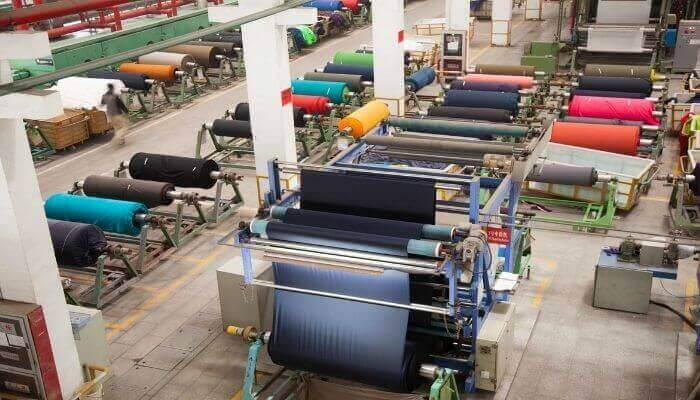
Historically, Zamfara was famous for its vital role in cotton production, resulting in the growth of many ginneries and textile firms, making it the centre of cotton ginning in Nigeria.
Much has changed recently, with cotton production and overall farming activities continuing to decline in the state. While widespread insecurity, which has characterised the state over the past two decades, remains a key factor in this decline, the lack of quality seed has also caused a sharp decrease in both the quantity and quality of cotton produced by a few farmers who defied the odds.
As expected, this negatively impacted the existence of textile and ginneries, as cotton, the main raw material, has been in short supply. Consequently, an industry that provides employment and income for many, including farmers and numerous workers along the cotton value chain, has become dormant. The impact on security, unemployment, and poverty is disastrous.
A chain reaction ensues. Cotton production drops considerably, adversely affecting textile and ginning companies in Zamfara state and ultimately impacting the socio-economic lives of many citizens.
Why does a state that once had 15 cotton ginneries, each employing no fewer than 200 people, now have fewer than five? Why did the state allow Zamfara Textile Limited (ZTL), which was officially commissioned in 1965 by Sir Ahmadu Bello and employed about 3,000 workers, to fall into a decline, resulting in its shutdown in 2004?
Why has this sector, which provided employment and income for many families, become so moribund? What actions is the government taking to revive this vital industry?
To address this crucial challenge, the government and other key stakeholders must identify and tackle the underlying causes. What roles do insecurity, the lack of quality seeds, and the widespread importation of textile materials play in all of this? Can farmers be assured of good seeds that will produce high yields? Will the government summon the necessary courage to confront the importation of textile materials?
Recently, Governor Dauda Lawal committed to addressing these issues directly, promising to revamp textile industries, cotton ginneries, and oil mills across the state. Naturally, this will help create jobs and ultimately alleviate the increasing poverty in Zamfara.
Lawal, who was part of an inspection team to the Benin Republic integrated industrial zone near Cotonou, where cotton, cashew nuts, soybeans, and other agricultural commodities are processed into finished and semi-finished products, said what he saw has strengthened his resolve to revive the sector in Zamfara.
As the governor rightly noted, a deliberate government policy, reliable infrastructure, and private-sector investment could link farmers to processors, reduce raw commodity exports, and generate jobs across agricultural and manufacturing value chains.
The once-thriving textile industry in Zamfara state, which employed thousands of people in factories, cotton ginneries, and oil mills, must be revitalised and returned to full productivity. People need jobs, and the textile sector’s potential to create employment has never been in doubt.
It is clear. Nigeria needs a renewed strategy to revive the Cotton, Textile and Garment (CTG) industry, which has the potential to generate over 1.5 million jobs and boost the country’s industrial and export capacity. The decline of this sector, mainly caused by years of neglect, poor coordination, and dependence on imports, is indeed a significant setback for Nigeria’s industrial base.
In our considered opinion, if diligently implemented, efforts by subnational entities like Zamfara, when combined with the federal government’s National CTG Value Chain Activation scheme, would restore confidence in the sector and rebuild an integrated cotton-to-garment production chain capable of competing globally.
We urged Governor Lawal to translate words into action by activating essential processes, including deploying necessary human and financial resources, to ensure the swift revival of textiles and ginneries in Zamfara State. A vital step is addressing the persistent insecurity. Zamfara’s cotton potential must be fully harnessed, and the time is now.
Once revived, the impact on the nation will undoubtedly be significant. Jobs will be created through the network of economic activities that emerge. It is natural that job creation goes hand in hand with a substantial reduction in insecurity, as unemployment plays a key role in the ongoing security challenges facing not only Zamfara State but the entire country.
We’ve got the edge. Get real-time reports, breaking scoops, and exclusive angles delivered straight to your phone. Don’t settle for stale news. Join LEADERSHIP NEWS on WhatsApp for 24/7 updates →
Join Our WhatsApp Channel