As the federal government intensifies preparations to officially launch Nigeria’s nationwide Digital Switch Over (DSO) platform on June 17, fresh concerns have emerged over the transparency, legality and governance structure of the FreeTV initiative driving the country’s digital broadcasting transition.
Broadcast industry stakeholders and media groups have raised concerns over what they describe as a lack of transparency around Nigeria’s transition from analogue to digital terrestrial television, warning that current implementation processes risk undermining competition, data protection and revenue fairness.
The Federal Government announced that the new FreeTV platform would provide Nigerians with access to over 100 television channels, alongside improved picture quality, wider content distribution, and real-time audience measurement tools designed to strengthen the advertising industry.
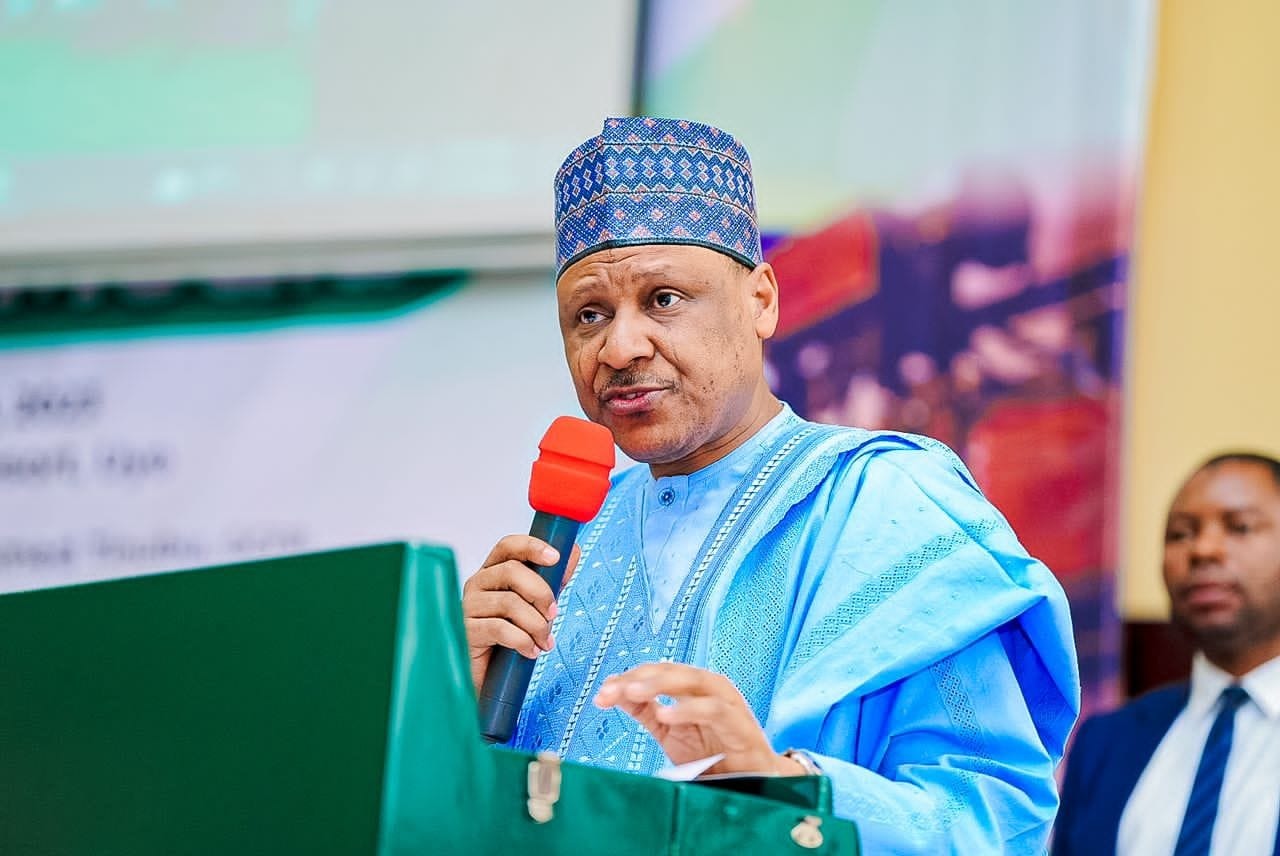
Minister of Information and National Orientation, Mohammed Idris, said the platform would introduce scientific audience measurement systems capable of tracking viewership patterns in real time, providing advertisers with reliable data for targeted campaigns.
Amid the government’s optimism, the Independent Television Producers Association of Nigeria (ITPAN) and other stakeholders called for clearer information on the roles and responsibilities of private operators, regulators and government bodies involved in the switchover.
ITPAN president, Adeyinka Oduniyi said producers and broadcasters remain uncertain about who will operate multiplexes, who controls viewer data and who will collect advertising revenues during and after the transition.
Oduniyi, who spoke to LEADERSHIP, said, “We need to know who is running what? Who owns what, who is regulating what, who is in charge of the data that is collected, and who is in charge of the advertising revenue. There’s just so much uncertainty that we’re not clear. We’re calling, we’ve been asking these questions to the working governments to shed more light.”
Also raising concerns, a broadcast and media stakeholder, Aderemi Ogunpitan, petitioned the Socio-Economic Rights and Accountability Project (SERAP), demanding greater public disclosure and accountability over the ownership, governance, funding and operational structure of FreeTV and the wider DSO programme.
In the petition dated May 20, 2026, Ogunpitan, argued that the central issue was no longer whether digital migration had technically commenced, but whether the current FreeTV arrangement aligned with the original public-interest objectives of Nigeria’s DSO policy, including affordability, accessibility, sustainability, transparency and efficient spectrum management.
“The more important issue is whether what is being presented as the Digital Switchover genuinely delivers the original public-interest objectives of Nigeria’s DSO,” the letter stated.
He noted that Nigeria’s 2012 DSO White Paper, approved by the Federal Executive Council, defined digital migration as the transition from analogue terrestrial television to Digital Terrestrial Television (DTT), with provisions covering signal distribution, set-top box manufacturing, middleware systems, and tiered broadcast licensing structures.
According to him, recent concerns raised within the broadcasting industry suggest that the current FreeTV arrangement may be operating more as a Direct-to-Home satellite aggregation platform rather than the Digital Terrestrial Television migration model originally contemplated under Nigeria’s legal and policy framework.
Similarly, he questioned whether government policy had shifted from terrestrial broadcasting to satellite and Over-The-Top (OTT) streaming without adequate stakeholder consultation or a revised gazetted road map.
“There is also a serious concern that the National Broadcasting Commission, as the statutory regulator, may now be functioning as a content aggregator on FreeTV,” the petition added.
Ogunpitan, however, warned that any overlap between regulatory and commercial responsibilities could create conflicts of interest that undermine investor confidence and fairness within the broadcasting ecosystem.
While the petition also seeks clarification on reports that more than N90 billion had been invested in DSO infrastructure over the years, it demands disclosure of procurement processes, infrastructure ownership, contractual agreements, and revenue-sharing arrangements connected to the platform.
He further expressed concern that the economics of the platform could weaken broadcasters and independent Nigerian content producers if technology intermediaries and distribution systems absorb a disproportionate share of industry revenues.
According to him, failure to address the unresolved issues could weaken investment in original Nigerian programming and undermine the long-term sustainability of the country’s creative economy.
At the time this story was prepared, all efforts to obtain a comment from the National Broadcasting Commission on stakeholders’ concerns had not been successful.
NBC’s director, Press, Ekanem Antia, did not respond to repeated phone calls, text messages and emails sent to the commission’s press office.
Meanwhile, the petition urged SERAP to invoke the Freedom of Information Act to seek answers from the Federal Ministry of Information and National Orientation, NBC, the Nigerian Communications Commission, NigComSat, ARCON, the Bureau of Public Procurement and other agencies connected to the DSO project.
Consequently, the stakeholder maintained that the issues raised were not anti-government criticisms but governance, accountability and sustainability concern necessary for building a transparent and economically viable broadcast industry in Nigeria.
We’ve got the edge. Get real-time reports, breaking scoops, and exclusive angles delivered straight to your phone. Don’t settle for stale news. Join LEADERSHIP NEWS on WhatsApp for 24/7 updates →
Join Our WhatsApp Channel