By Lanre Ogundipe
The Lagos Laboratory — Where Power Was Built
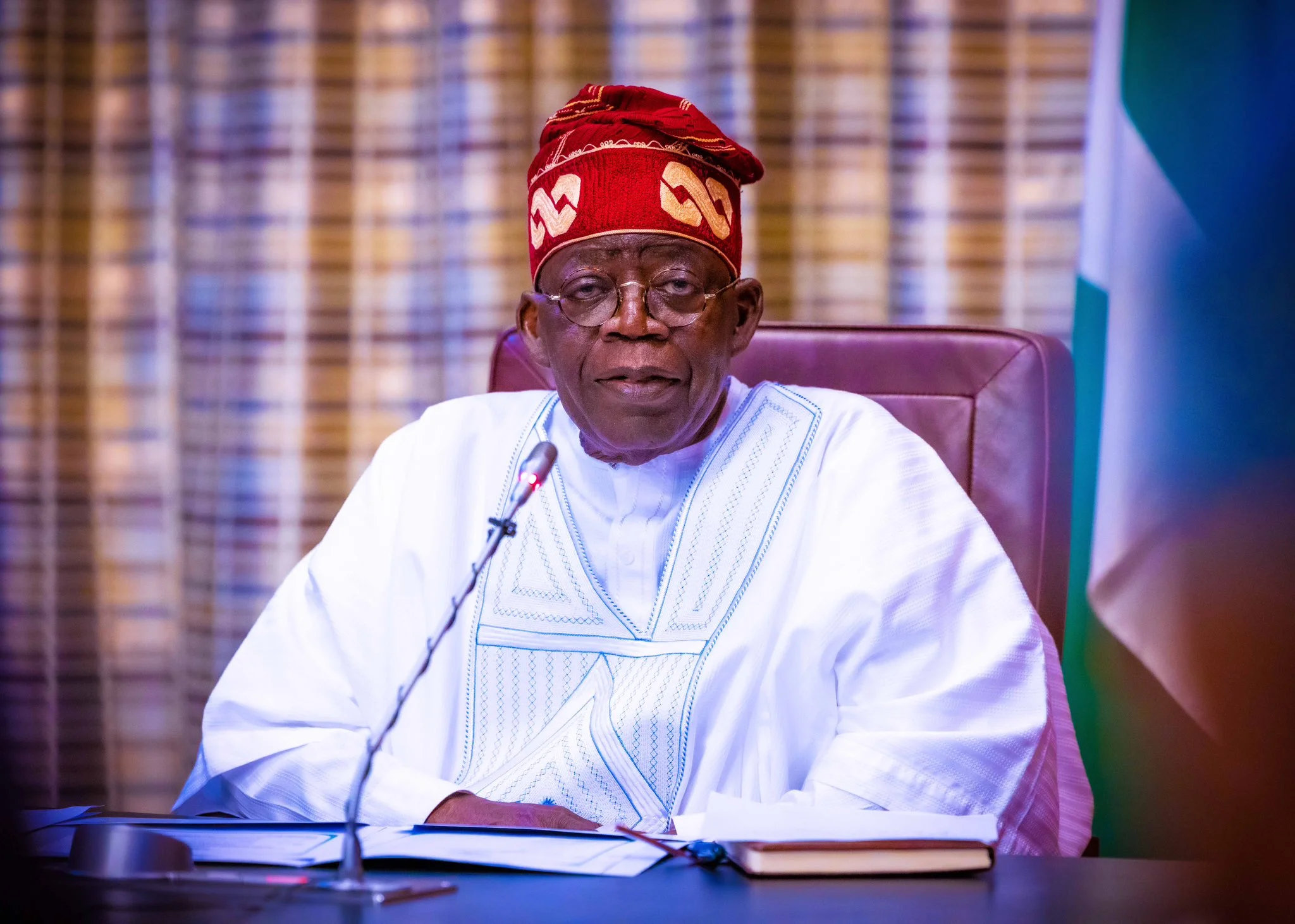
In the opening essay of this series, the central question was posed: how did Bola Ahmed Tinubu become one of the most durable political figures of Nigeria’s Fourth Republic? In a political environment where influence often evaporates with the loss of office, Tinubu’s career appears unusually resilient. More than a decade after leaving office as governor of Lagos State, his political relevance not only survived but expanded, eventually culminating in his emergence as President of the Federal Republic.
The explanation for that unusual durability does not begin in Abuja, where national authority is exercised. It begins in Lagos, where the foundations of Tinubu’s political architecture were first constructed.
Lagos was not simply the state Tinubu governed between 1999 and 2007. It became the laboratory in which the methods that would later define his national influence were tested and refined. The fiscal reforms, governance innovations and political networks that emerged during that period gradually transformed Lagos from a state administration into the operational base of one of the most durable political machines in Nigeria’s democratic history.
To understand how this transformation occurred, it is necessary to return to Lagos at the beginning of the Fourth Republic.
When civilian rule resumed in 1999 after years of military governance, Nigeria’s democratic institutions were still fragile. Lagos, though already the economic nerve centre of the country, was struggling with the pressures of rapid urban expansion. Infrastructure was overstretched, administrative institutions were underdeveloped and public services faced enormous demands from a population that was growing faster than government capacity.
The state possessed immense economic potential, but its governance framework had not yet fully adapted to the realities of a megacity that functioned as the commercial gateway of the country.
Tinubu’s administration inherited this complex environment. Managing Lagos required more than routine political leadership. It required building institutional systems capable of sustaining the economic and social pressures of Africa’s largest urban centre.
One of the most consequential developments during this period was the strengthening of Lagos State’s internally generated revenue. For many years Nigerian states had depended heavily on allocations from the federal government to finance their activities. Lagos began to depart from this pattern through deliberate reforms in revenue administration.
Tax collection systems were modernised, revenue agencies were strengthened and the fiscal base of the state expanded. Over time, internally generated revenue increased significantly, giving the state government greater control over its financial resources.
The implications of this shift were profound.
Fiscal independence meant that Lagos was less vulnerable to fluctuations in federal allocations. The state government could design and implement development initiatives with greater autonomy. Infrastructure investments, public service reforms and urban management programmes became easier to sustain.
In political terms, financial strength translated into strategic leverage.
Governments that control significant internal resources acquire the capacity to withstand political pressure and pursue long-term policies without relying entirely on external support. In Lagos, this fiscal transformation became one of the pillars upon which Tinubu’s political influence would later rest.
Alongside fiscal reforms, the administration began to recruit professionals and technocrats into government. Economists, urban planners, policy advisers and administrative specialists were integrated into the machinery of governance. This approach gradually strengthened institutional capacity within the state.
The presence of technocrats had both practical and symbolic effects. Administratively, it improved the ability of government agencies to design and implement policy. Politically, it created the perception that Lagos was experimenting with a model of governance that combined political leadership with professional expertise.
Over time, Lagos began to attract national attention for its policy initiatives. Urban planning frameworks, transportation reforms and public sector restructuring projects reinforced the image of a state attempting to modernise its governance systems.
Institutional competence strengthened political legitimacy.
Yet Lagos during this period was not merely a site of administrative reform. It also became the stage for one of the most visible political confrontations of the early Fourth Republic.
The dispute between the Lagos State government and the federal administration led by President Olusegun Obasanjo emerged from the controversial decision of the Lagos government to create additional local government development areas. The federal government argued that the move violated constitutional procedures and responded by withholding statutory allocations due to the state.
The confrontation quickly escalated into a legal and political battle that attracted national attention. Lagos challenged the decision in court while simultaneously searching for ways to sustain government operations despite the sudden financial pressure.
The episode revealed the practical importance of the fiscal reforms already underway. Lagos was able to adapt and maintain administrative functions despite the withholding of federal funds. The state’s financial resilience became evident during this period.
Politically, the confrontation elevated Tinubu’s national visibility. He emerged as a vocal defender of state autonomy within Nigeria’s federal system and positioned himself as a regional political figure capable of challenging federal authority.
The Lagos governor had entered the national political conversation.
While fiscal reforms and institutional restructuring strengthened the administrative foundations of Lagos, another process was unfolding within the political arena. Tinubu gradually constructed a network of alliances that would later form one of the most durable political structures in Nigeria’s democratic landscape.
Party organisation across the state’s local governments was consolidated. Loyal political actors occupied strategic positions within the emerging party framework. Young administrators and political protégés were introduced into governance structures, forming a new generation of leaders associated with the Lagos political environment.
These relationships evolved into a network capable of sustaining electoral success and maintaining internal cohesion.
What was emerging in Lagos was more than a governing administration. It was a political ecosystem.
– Lanre Ogundipe is a Public Affairs Analyst and former President of the Nigeria and African Union of Journalists. He writes from Abuja.
We’ve got the edge. Get real-time reports, breaking scoops, and exclusive angles delivered straight to your phone. Don’t settle for stale news. Join LEADERSHIP NEWS on WhatsApp for 24/7 updates →
Join Our WhatsApp Channel