The November 3, United States midterm elections have produced a series of historic victories for Indigenous Americans, Black politicians, Latino candidates and other minority groups, breaking longstanding barriers in the country’s political landscape.
The elections saw the emergence of the first Native American woman elected governor, the first Indigenous woman elected to the US Senate and the first Muslim elected to the Senate, among other significant milestones.
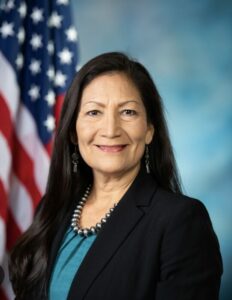
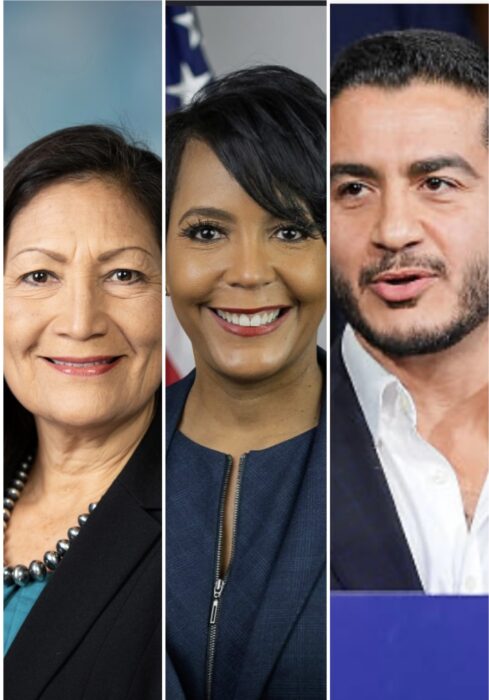
One of the major victories was recorded in New Mexico, where Democrat Deb Haaland defeated Republican Gregg Hull to become the first Native American woman elected governor of a US state.
Haaland, a citizen of the Laguna Pueblo tribe, previously served as Interior Secretary under former President Joe Biden, becoming the first Native American to head the department.
Her election marks a significant breakthrough for Indigenous representation in American politics, particularly at the state leadership level.
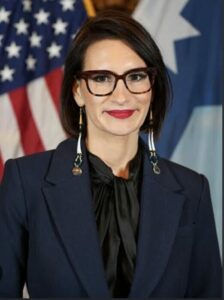
In Minnesota, Lieutenant Governor Peggy Flanagan also made history after defeating Republican challenger Michele Tafoya to become the first Native American woman elected to the US Senate.
Flanagan, an enrolled member of the White Earth Band of Ojibwe, will succeed retiring Senator Tina Smith.
Her victory marks another milestone for Indigenous women in American politics, extending their representation to the country’s upper legislative chamber.
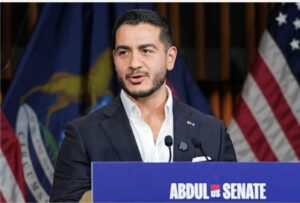
Michigan also recorded a historic breakthrough as Democrat Abdul El-Sayed defeated Republican Mike Rogers to become the first Muslim elected to the US Senate.
El-Sayed, an Egyptian-American politician and former public health official, previously served as Detroit’s health director and headed the Wayne County Department of Health, Human and Veterans Services.
His election represents a significant development in the political representation of Muslim Americans at the national level.

Meanwhile, Democrat Adam Hamawy won New Jersey’s 12th Congressional District, becoming the state’s first Muslim member of Congress.
Hamawy, a plastic surgeon and former US Army combat surgeon, defeated Republican Gregg Mele in the contest.
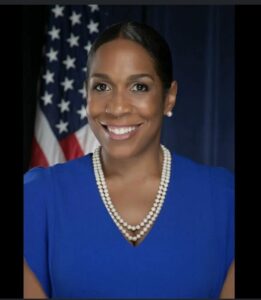
In Illinois, Democrat Juliana Stratton’s victory in the Senate race will allow three Black women to serve simultaneously in the US Senate for the first time when she assumes office in January 2027.
Stratton, who previously served as Illinois Lieutenant Governor, will join Senators Angela Alsobrooks of Maryland and Lisa Blunt Rochester of Delaware.
Her election also means Illinois will have two women of colour representing the state in the Senate, alongside incumbent Senator Tammy Duckworth, who is of Thai heritage.
The elections also delivered a major breakthrough for Latino political representation.

In Texas, Democrat Gina Hinojosa defeated incumbent Republican Governor Greg Abbott to become the state’s first Latina governor.
Her victory also ends more than three decades of Republican control of the Texas governorship, with the last Democrat to occupy the office being Ann Richards, who left in 1995.
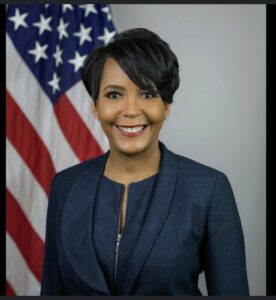
Georgia also recorded a historic victory as Democrat Keisha Lance Bottoms defeated Republican businessman Rick Jackson to become the first Black woman elected governor of a US state.
Bottoms, a former Atlanta mayor, is also the first woman and first Black person to lead Georgia as governor. Her victory returned the governorship to Democratic control after more than two decades.
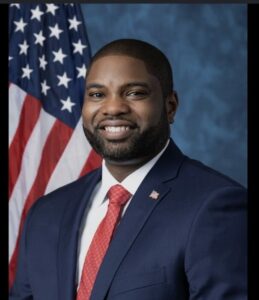
In Florida, Republican Byron Donalds defeated Democrat David Jolly to become the state’s first Black governor and the first Black Republican elected governor in US history.
Donalds, a three-term member of the US House of Representatives, will succeed outgoing Governor Ron DeSantis.
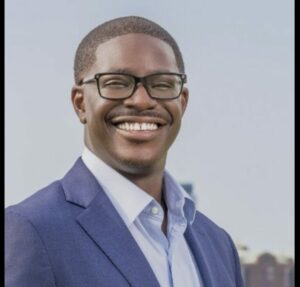
Wisconsin also made history as Democrat David Crowley defeated Republican Tom Tiffany to become the state’s first Black governor.
Crowley previously served as Milwaukee County Executive.
The victories have expanded the representation of historically under-represented communities across state governments and the US Congress.
They also highlight growing racial, ethnic and religious diversity in American politics as the country prepares to mark its 250th anniversary of independence in 2026.
We’ve got the edge. Get real-time reports, breaking scoops, and exclusive angles delivered straight to your phone. Don’t settle for stale news. Join LEADERSHIP NEWS on WhatsApp for 24/7 updates →
Join Our WhatsApp Channel