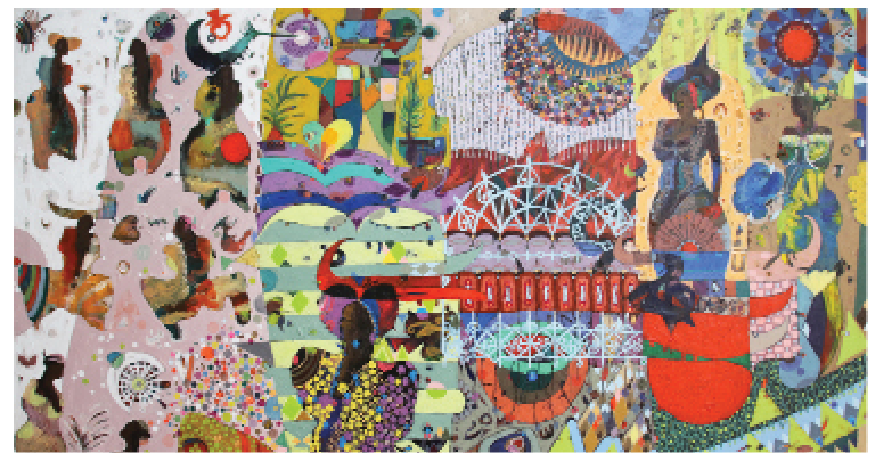
Nigeria and by extension, Africa is not lacking in creativity, as it is overflowing with it. From music and fashion to film, literature, tech innovation, and cultural expression, the continent is a goldmine of raw, untapped artistic potential.
However, creativity alone doesn’t build sustainable industries. What Africa currently grapples with is not a shortage of talent, but a shortage of structure, Nigerian creative business polymath, Olamilekan Dauda Olawale told LEADERSHIP Weekend, adding that, there is limited access to funding, weak policy frameworks, poor infrastructure, and most crucially, a lack of monetization systems to help creatives turn their gifts into wealth.
According to Olawale, Africa’s creative landscape is on the verge of a transformation, adding that, with the right steps taken now, the next five years could see the continent move from operating in survival mode to becoming a global leader in sustainable, scalable creative enterprise.
He envisions a future where Africa’s creative hubs compete with the best globally in areas like music export, fashion technology, animation, and immersive storytelling. Most importantly, he believes that creatives can become not just artists but job creators, policy influencers, and drivers of economic growth.
But to achieve these, there must be deliberate investment in the infrastructure and systems that support the business side of creativity, he affirmed.
Turning Creativity Into A Business
Olawale recently launched a book titled ‘How To Monetize Creativity in Africa,’ in which he describes as more than just a read—it’s a toolkit.
It is designed to help artists understand and navigate the business of creativity with practical strategies. The book covers crucial topics such as branding, licensing, digital monetization platforms, funding strategies, and protecting intellectual property.
In his words, ‘It helps you turn your talent into a product, your product into a business, and your business into impact. It’s the book I wish I had when I was starting out.’
A Practical Roadmap For Creatives
At the heart of Olawale’s message is a call for creatives to reframe how they see themselves and their art. Monetizing creativity, he argues, begins with recognizing the value of one’s talent. “That value must then be shaped, structured, and strategically brought to market. The process involves productizing your skills—whether that means releasing music, designing a fashion line, offering digital services, or creating a visual identity that communicates your brand.
“Visibility is also key; social media, collaborations, and storytelling are vital tools for gaining attention and building a loyal audience,” he advised.
Structuring For Sustainability
However, visibility alone isn’t enough. Creatives must also structure their operations like businesses and that includes registering their businesses, protecting intellectual property, setting rates, and negotiating contracts wisely, Olawale said, even as he emphasized the importance of diversifying income streams: instead of relying solely on gigs or client work, artists should explore avenues such as royalties, merchandise, digital sales, online courses, and content licensing.
Overcoming Industry Challenges
Still, the journey is far from easy. Olawale is candid about the challenges artists face in Africa. These include lack of funding, poor infrastructure like studio spaces and reliable internet, limited education about business models and intellectual property rights, gatekeeping by industry insiders, and a general lack of consistent policy support; these barriers can make the path to success seem daunting, he decried.
Yet, Olawale believes these challenges are surmountable. His advice to artists is to invest in education: read books, take courses, attend workshops, and stay informed.
Equally important is ownership as Olawale urged creatives to retain ownership of their content, brand, and intellectual property. Selling out for short-term gain, he warns, often undermines long-term impact and independence.
Build Like You Are The Solution
Olawale draws a powerful analogy to drive his point home: “Treat your talent like land—you own it, but it won’t produce until you work it. Waiting for validation from Western markets or government institutions is a mistake,” he said. Creatives must begin with what they have, where they are, and build from there with the mindset that they are not just participants in the industry—they are the solution it needs, he added.
Potential To to Prosperity
Africa’s creative future is not a distant dream; it is a reality waiting to be built. It will take vision, hard work, collaboration, education, and infrastructure to turn artistic talent into tangible value. With advocates like Olawale leading the charge and equipping young creatives with the tools to succeed, the continent is steadily moving closer to transforming its creative potential into a thriving creative economy.
We’ve got the edge. Get real-time reports, breaking scoops, and exclusive angles delivered straight to your phone. Don’t settle for stale news. Join LEADERSHIP NEWS on WhatsApp for 24/7 updates →
Join Our WhatsApp Channel