The fact that the defence headquarters is openly advocating for diplomacy with Niger, Mali, and Burkina Faso serves as evidence that the Foreign Affairs Ministry and the wider national security team are lagging.
There is a reason for that. There have been changes in government in all of these countries, whether by ballot or by the barrel of a gun. Western powers, along with the military, have also been evicted from the West African region.
The most significant aspect of these changes has been the election of President Bola Tinubu as Nigeria’s President in 2023 and the question of whether he sees security and co-operation in the Lake Chad region as a top priority.
MNJTF, comprising Nigeria, Cameroon, Chad, Benin, and, before it pulled out in 2025, Niger Republic, recorded operational successes in the years since its formation.
But since Niger withdrew, there is a general assessment that the MNJTF has experienced complications in operational coordination due to political disagreements among participating countries.
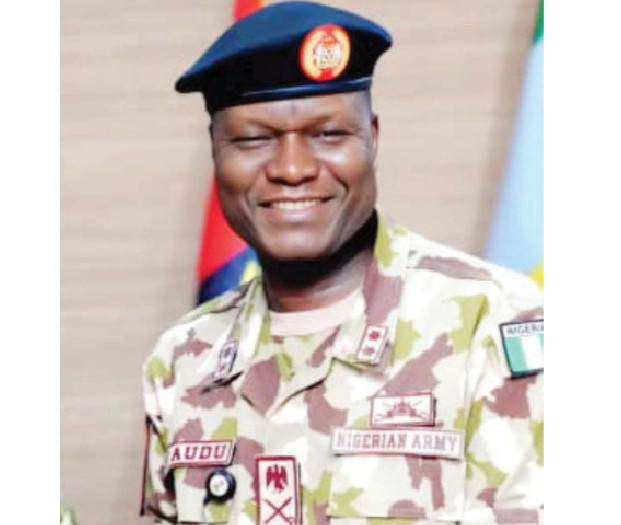
Now headed by Major General Saidu Tanko Audu, the issue goes far beyond military restructuring. It is fundamentally a diplomatic and geopolitical problem, rooted in the changing alliances, rivalries, and security priorities of the countries expected to sustain the force.
When the MNJTF was activated in 2015, regional governments enjoyed considerable backing from the United States, Britain, and France, which provided varying degrees of intelligence, training, logistics, and military assistance.
There was also a shared understanding among the Lake Chad Basin countries that defeating the insurgency required coordinated cross-border operations and Western support. That consensus has since deteriorated considerably.
France has been forced out of Mali, Niger, and Chad, while the United States has also lost its military foothold in Niger and Chad.
Meanwhile, Burkina Faso, Mali, and Niger have withdrawn from ECOWAS and established the Alliance of Sahel States, deepening their political and military relationship with Russia.
Niger’s withdrawal from the MNJTF in March 2025 dealt a significant blow to regional military coordination. It effectively left a gap along the northern shores of Lake Chad, where insurgents exploit porous borders and weak security coordination.
Nigeria, traditionally the principal military contributor to the MNJTF, has also experienced complications in its relationship with Washington.
President Tinubu initially agreed to the deployment of American military personnel to support counterterrorism operations in the northeast, only to engage in what can be described as a game of duplicity, leading to the withdrawal of US troops
Major General Audu faces a challenge that cannot be resolved through operational adjustments alone. The task force needs renewed political consensus, reliable financing, intelligence-sharing arrangements, and modern military equipment.
Ultimately, repurposing the MNJTF will require rebuilding the diplomatic foundations upon which it was originally established.
We’ve got the edge. Get real-time reports, breaking scoops, and exclusive angles delivered straight to your phone. Don’t settle for stale news. Join LEADERSHIP NEWS on WhatsApp for 24/7 updates →
Join Our WhatsApp Channel