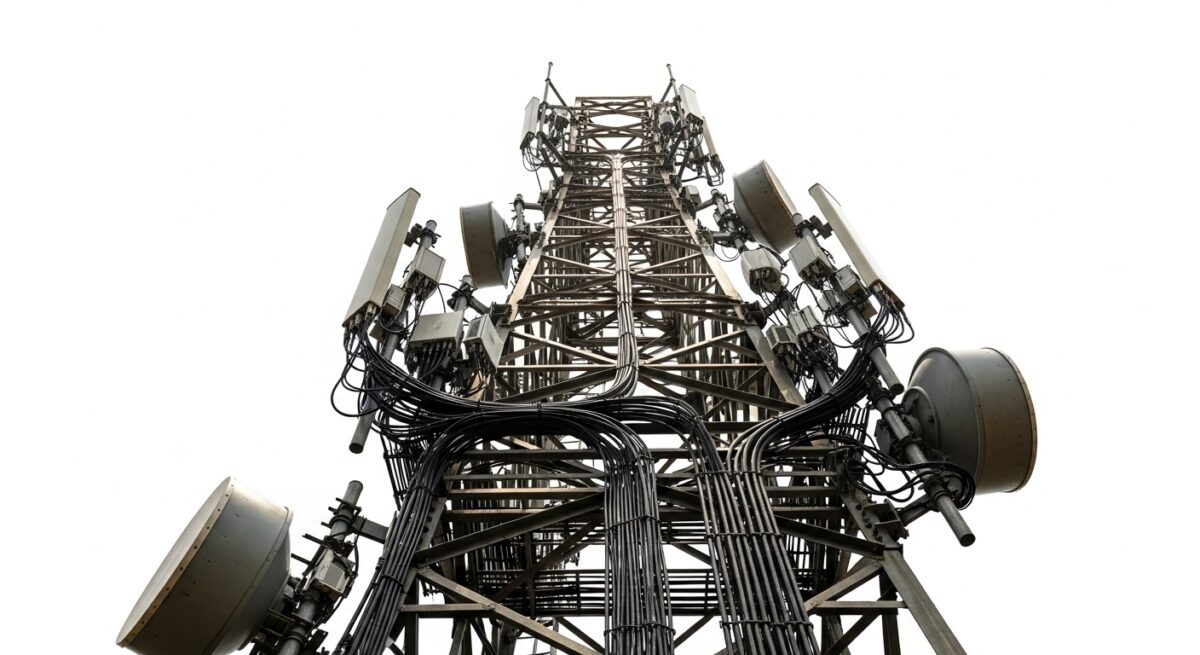
The federal government has unveiled plans to deploy about 3,700 telecom towers in rural and underserved communities, using a blended funding model that will combine telecommunications, electricity and state government resources to expand digital connectivity.
Under the proposed arrangement, the Universal Service Provision Fund (USPF) will finance the telecommunications infrastructure, while the Rural Electrification Agency (REA) will support the energy requirements, including solar panels, batteries and mini-grids to power the sites.
The government is also targeting a six-month period to secure funding for the infrastructure, with state governments expected to provide land, security and Right of Way for the deployment.
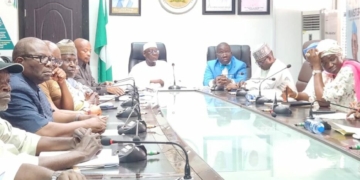
The initiative was among the resolutions reached at the Nigeria Digital Connectivity Investment Forum organised by the Nigerian Communications Commission (NCC) in partnership with Swedfund and Ookla.
Under the proposed model, communities in areas with little or no connectivity would establish cooperatives to own and maintain the telecom facilities, while also sharing revenue generated from the infrastructure.
The approach represents a shift from the conventional model in which telecom operators or government agencies independently own and operate rural network infrastructure. It is intended to create greater community participation in protecting and sustaining telecom assets after deployment.
The REA would provide funding for the power component, including solar mini-grids, batteries and panels, while the USPF would support towers, base stations, small cells, backhaul and other telecommunications infrastructure required to connect zero-coverage communities.
The initiative also seeks to address the close relationship between electricity and telecommunications infrastructure in rural areas, where unreliable power supply can undermine the operation of network sites.
Stakeholders at the forum noted that a telecom tower without dependable electricity would struggle to provide consistent services, while solar-powered infrastructure without adequate backhaul would also have limited capacity to deliver broadband connectivity.
The NCC and REA have previously signed a memorandum of understanding to coordinate their projects and mapping for rural connectivity and electrification initiatives, providing a framework for integrating telecommunications and energy investments.
The planned tower rollout is expected to begin this month, with an initial target of deploying 200 towers by December 2026. The wider programme is expected to work alongside other connectivity interventions, including shared rural networks, satellite connectivity, micro-cabling and solar-powered rural sites.
The government is also pursuing Project BRIDGE, a planned 90,000-kilometre national fibre backbone intended to address the middle-mile infrastructure gap and reduce the cost of extending broadband services to underserved locations.
However, stakeholders have warned that increasing network coverage alone may not automatically translate into higher internet usage.
Data presented at the forum showed that mobile broadband coverage had reached about 90 per cent of Nigerians, while smartphone ownership remained around 27 per cent and broadband penetration stood at 57.4 per cent, below the government’s 70 per cent target.
The figures point to a wider challenge in which affordability of devices, digital skills, electricity and the cost of internet access could determine whether newly connected communities actually become active participants in the digital economy.
The emerging strategy therefore combines infrastructure deployment with energy access and affordability, rather than treating rural connectivity solely as a tower-building exercise.
Hence, if implemented effectively, the community ownership model could also give rural residents a financial stake in the infrastructure serving their communities, while creating an incentive for local communities to protect and maintain the facilities.
We’ve got the edge. Get real-time reports, breaking scoops, and exclusive angles delivered straight to your phone. Don’t settle for stale news. Join LEADERSHIP NEWS on WhatsApp for 24/7 updates →
Join Our WhatsApp Channel