High infrastructure and energy costs, coupled with expensive internet-enabled devices and data subscriptions, are limiting Nigeria’s efforts to connect underserved communities, with more than 11,000 rural telecommunications base stations estimated to consume over 40 million litres of diesel monthly.
The figures highlight the financial burden of extending telecommunications services to remote locations, where unreliable electricity, sparse populations and uncertain returns on investment make network deployment and maintenance difficult to sustain.
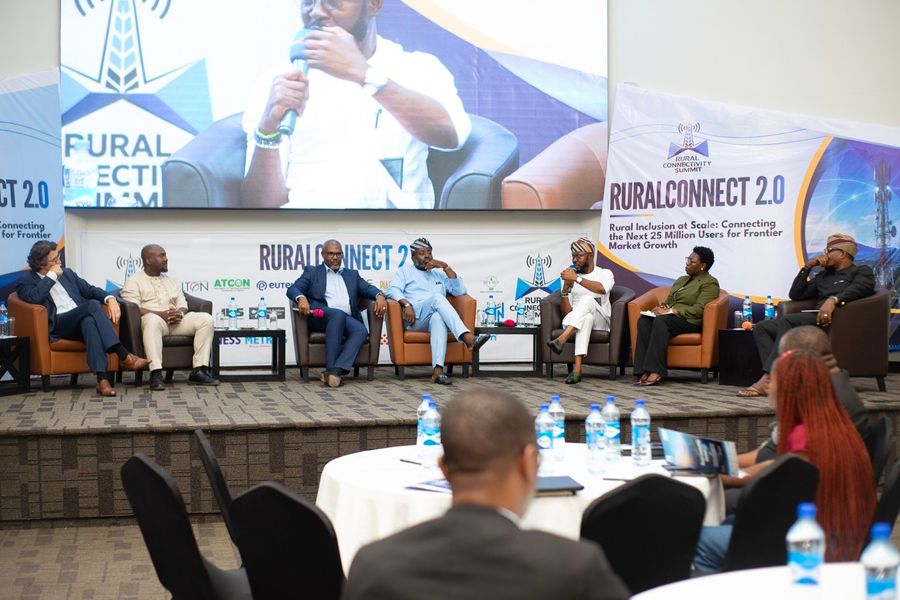
At the second Rural Connectivity Summit in Lagos, stakeholders called for a shift in focus from expanding network coverage to ensuring that telecommunications infrastructure delivers meaningful access to digital services.
President of the Association of Telecommunications Companies of Nigeria (ATCON), Tony Emoekpere, said the availability of network signals alone was insufficient to guarantee digital inclusion.
“We need to move away from coverage and think about how to ensure that people in rural communities use the technology services rendered to them,” Emoekpere said.
He proposed that schools, primary healthcare centres, local government facilities and agricultural cooperatives should serve as anchor customers for rural telecommunications infrastructure, providing predictable demand and helping operators recover deployment and operating costs.
“A site that connects a school, a primary health care centre, a local government and a farm cooperative can enter the phase of revenue from day one. And that can serve as a sustainability,” he said.
The proposal could help address the commercial difficulties of serving sparsely populated communities by creating demand from institutions and local economic activities rather than relying mainly on individual subscribers.
Energy costs, however, remain a significant obstacle. The Rural Electrification Agency (REA) estimates that more than 11,000 rural telecommunications sites consume over 40 million litres of diesel monthly. At that rate, annual consumption would exceed 480 million litres if the estimate remains unchanged.
However, this dependence on diesel generators exposes operators to fuel-price fluctuations, transportation expenses and the logistical challenges of supplying remote locations. These pressures can increase the cost of maintaining reliable telecommunications services and weaken the business case for expanding networks.
Managing Director and Chief Executive Officer of the REA, Abba Aliyu, represented by the agency’s Executive Director of Technical Services, Umar Umar, said the agency was collaborating with the Nigerian Communications Commission (NCC) to integrate electricity infrastructure with rural telecommunications networks.
The initiative includes mapping rural mini-grids and base stations, identifying opportunities for shared infrastructure and developing pilot projects involving telecom operators, tower companies and mini-grid developers.
Connecting telecommunications sites to nearby mini-grids could reduce diesel dependence and improve power reliability. However, the benefits would depend on the availability of electricity infrastructure, connection costs and the commercial arrangements between power providers and operators.
Founding Partner of Infratel Africa, Tola Yusuf, said the challenge was not simply deploying rural infrastructure but ensuring that it remained operational and financially viable.
“Building a rural site is hard. Keeping it alive is harder,” Yusuf said. He identified power, payback, permits, protection and people as critical factors affecting network sustainability, advocating renewable energy, accessible financing, streamlined approvals, infrastructure protection and stronger community participation.
Yusuf also warned that extending fibre-optic infrastructure to local government headquarters would not automatically connect villages and households, stressing the importance of last-mile investment.
“Reaching the LGA headquarters is not reaching the village. The backbone creates capacity. The last mile creates inclusion,” he said.
The concern comes as Nigeria pursues Project BRIDGE, which is designed to deploy 90,000 kilometres of fibre-optic infrastructure nationwide. While the project could expand backbone capacity, additional investment would be needed to connect communities, homes, schools and businesses to the network.
Similarly, Director of Strategic Business Initiatives at ipNX Nigeria, Olusola Teniola, called for long-term, naira-denominated financing and stronger support for indigenous companies involved in last-mile infrastructure deployment.
Convener of RuralConnect 2.0, Omobayo Azeez, also identified infrastructure costs, unreliable electricity, difficult terrain and uncertain commercial returns as barriers to expanding connectivity in underserved communities.
However, limited access to telecommunications services can restrict rural communities participation in digital education, telemedicine, financial services and agricultural markets, undermining the potential of technology to improve livelihoods and support local economic development.
Stakeholders maintain that closing the digital divide requires coordinated investment in electricity and telecommunications infrastructure, alongside viable business models that make services accessible and sustainable.
However, without these measures, continued network expansion risks increasing coverage figures without ensuring that underserved Nigerians can connect reliably and benefit from the country’s growing digital economy.
We’ve got the edge. Get real-time reports, breaking scoops, and exclusive angles delivered straight to your phone. Don’t settle for stale news. Join LEADERSHIP NEWS on WhatsApp for 24/7 updates →
Join Our WhatsApp Channel