Experts have raised concerns over Nigeria’s rising consumption of salt and sodium-rich foods, warning that the country risks an epidemic of cardiovascular diseases (CVDs) unless urgent measures are taken to curb sodium intake.
A food science technology consultant at the Nigeria Health and Environmental Development (NHED), Mr. John Funsho Tehinse, said excess salt intake is fuelling an increase in diet-related non-communicable diseases (NCDs), particularly hypertension, the leading cause of cardiovascular diseases in Nigeria.
Tehinse, who stated this at a media training on sodium reduction, organised by the Centre for Communication and Social Impact (CCSI) in Abuja, said evidence from Nigeria shows that over 70 percent of sodium intake comes from industrially processed, pre-packaged and ready-to-eat foods such as bread, instant noodles, bouillon cubes, sauces, processed meats and snacks.
“Processed and pre-packaged foods are major contributors to cardiovascular risks in Nigeria,” he said.
Also, the programme lead for Cardiovascular Health at Corporate Accountability and Public Participation Africa (CAPPA), Bukola Olukemi-Odele, highlighted that sodium, although essential in tiny amounts (200–500 milligrammes per day) is now being consumed in dangerously high quantities across Nigeria.
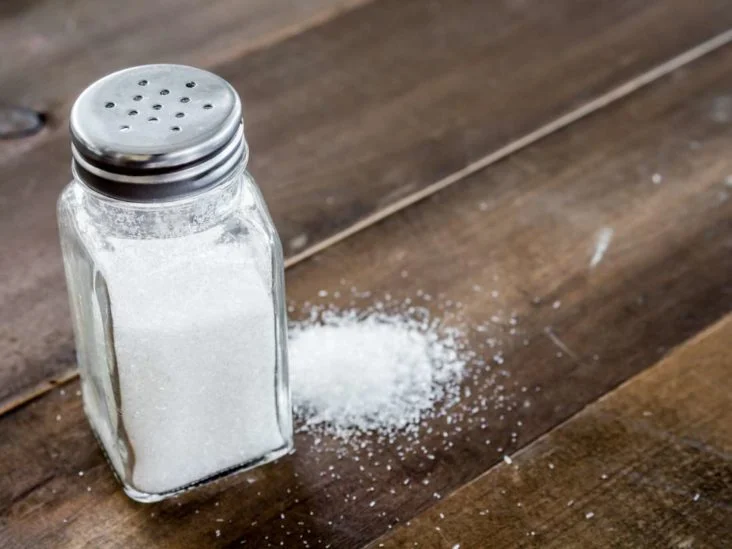
“The average Nigerian consumes between 2.8g and 10g of salt per day, more than double the WHO’s recommended limit of 5g, which is just about one level teaspoon of salt,” she said.
Olukemi-Odele emphasised that most sodium consumed today is “hidden” in processed foods, restaurant meals, street food such as suya and kilishi and food additives like MSG and preservatives.
“The traditional Nigerian diet is being overtaken by ultra-processed and convenience foods due to urbanisation, aggressive food marketing and busy lifestyles. This trend is threatening our public health,” she warned.
While sodium plays important roles in maintaining blood pressure, nerve function, and fluid balance, excess intake is strongly linked to hypertension, stroke, kidney damage and premature death from heart disease.
To address this crisis, Nigeria’s 2024 National Guideline for Sodium Reduction proposes a phased reduction strategy, targeting a 30 percent sodium cut by 2030. The government is also working to convert these guidelines into enforceable regulations for the food industries.
Nigeria’s National Multisectoral Action Plan (NMAP) for NCDs (2019–2025) had earlier set a 30 pe cent salt reduction goal by 2025. Additionally, the 2023 National Policy on Food Safety and Quality pushed for mandatory salt targets and front-of-pack labelling to help consumers make informed choices.
Participants at the training agreed that public education, stronger regulatory enforcement and food industry accountability are vital to reversing current trends and saving lives.
We’ve got the edge. Get real-time reports, breaking scoops, and exclusive angles delivered straight to your phone. Don’t settle for stale news. Join LEADERSHIP NEWS on WhatsApp for 24/7 updates →
Join Our WhatsApp Channel