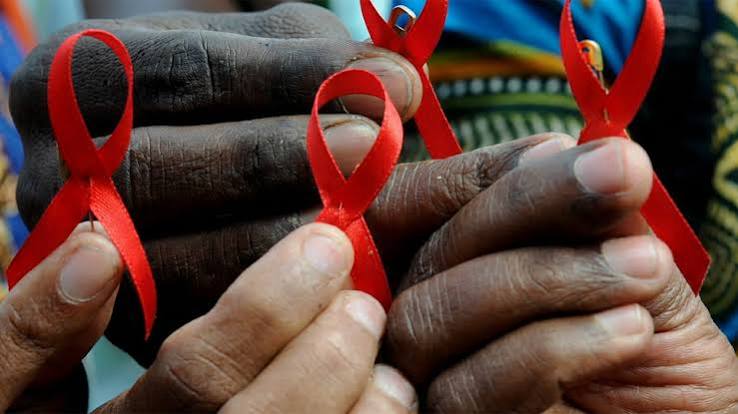
Nasarawa State is facing a fresh surge in HIV and sexually transmitted infections (STIs) as prices of condoms, lubricants and pre-exposure prophylaxis (PrEP) have tripled following the exit of foreign donors.
Checks in Lafia show a single condom now sells for N1,000 and above, pushing life-saving prevention out of reach for sex workers and other key populations.
The spike followed the United States foreign aid pause in January 2026, when President Donald Trump ordered a 90-day pause on all foreign aid and halted grants by the United States Agency for International Development (USAID). USAID is the main implementer of the President’s Emergency Plan for AIDS Relief (PEPFAR), which supports about 90 percent of Nigeria’s HIV response.
While the US State Department later issued a waiver for life-saving treatment to continue, prevention services — including community outreach, condom distribution, PrEP, HIV testing kits, and STI treatment — were not fully protected.
In Nasarawa, the state coordinator of the Network of People Living with HIV and AIDS in Nigeria (NEPWHAN), Mrs Ruth Dauda, said the disruption has collapsed community sensitisation and left civil society organisations unable to sustain outreaches and free distribution previously subsidised by donors.
“Although the shipment of drugs was not immediately stopped, the withdrawal affected other critical aspects of the programme.
Because salaries could no longer be paid, a large number of support staff were laid off,” she said.
“These support staff are very essential. They are the ones who track patients who miss their follow-up appointments and bring them back to care. When we lost them, it directly affected retention. As a result, we are now facing serious challenges with viral load suppression.
Many clients are now unsuppressed,” she explained.
She added that the cessation of funds has also led to a decline in HIV awareness.
“Over the past ten years, public awareness of HIV has dropped drastically, and younger generations and teenagers lack adequate knowledge about the virus compared to previous years. Due to limited funding, efforts are now heavily targeted toward pregnant women and individuals currently on treatment.
“While PrEP and testing are available at healthcare facilities, community outreaches have stopped due to a lack of funding. Additionally, free condoms are no longer readily available, posing another barrier to prevention,” she stated.
She also confirmed that the cost of preventive commodities has risen beyond what vulnerable people can afford.
The Monitoring and Evaluation Officer, Mr. Philip Lokoko, said NEPWHAN is now struggling to sustain outreaches once funded by donors.
LEADERSHIP gathered that those most affected are key population groups referred to as KP, who already face a higher risk of HIV, hepatitis, tuberculosis, and other STIs.
The World Health Organization (WHO) describes key populations as specific groups who are at higher risk of contracting HIV and other health conditions due to specific behaviours and who face severe social, legal, and structural barriers to healthcare.
According to WHO and UNAIDS, these include men who have sex with men, adults who consensually exchange sex for money or goods, transgender people whose gender identity differs from the sex assigned at birth, people who inject non-medical psychotropic drugs, and people in prisons and other closed settings.
Mr. Patrick Allu, State Coordinator of the Key Population Community, lamented the situation, stressing that his members are finding it difficult to cope.
“Seriously, it is not easy. We go through a lot. When Donald Trump made that announcement, especially for KP, we were shaken. The HIV programmes we normally run, the meetings we normally hold, where our support normally comes from — the CSOs — and the things we are doing have dropped totally. It affects us very, very much and we are really shaken. It is not easy for us,” he said.
Speaking on specific areas where the withdrawal of support is affecting his members, he said: “Where to go and access your drugs, testing is not easy again, the screening of STIs is not easy again, and the distribution of condoms and lubricants is not easy. They are not even being given to us again. So we now have to buy them. Sometimes, if we don’t have money, we go ahead and do our activities without protection. That leads to an increase in infections and diseases in the community.”
He urged the Federal Government to urgently increase domestic funding, warning that those at highest risk have been hit hardest.
Some sex workers echoed the same concerns in an interview with LEADERSHIP.
Dorcas Patrick, a female sex worker, said she and her colleagues “feel very bad, very, very bad” about the situation.
“Some of our customers, when they come and you tell them your price, they will ask, ‘How much is a condom?’ One condom now costs N1,000 and above. It is really affecting us. We are not getting customers like before, because food is expensive, not to talk of coming to have pleasure,” she said.
She said the price is forcing dangerous choices that could drive the spread of HIV and other sexually transmitted diseases.
“If things continue this way, the spread of HIV is going to be high, because not everybody can afford it. It is through condoms that we protect ourselves. Now that they are getting more expensive, there is no way we will use them; we will just do it without protection, we will just do it directly,” she said.
She appealed to the government to intervene by subsidising condoms and other sexual health commodities and to cushion the impact of fuel subsidy removal.
Another sex worker, Faith, said the hike has left many women with no real choice.
“Many of us now face the choice between unprotected sex and no income,” she said. “If a client says he has no money for a condom and you need money for food, you will agree. We know the risk of HIV, re-infection, and unwanted pregnancy, but hunger is also killing us.”
Health experts warn that when prevention disappears, infections rise across the board, from gonorrhoea and syphilis to mother-to-child transmission of HIV.
Dr. Ibrahim Alhassan, Permanent Secretary of the Nasarawa State Ministry of Health, said the state has established a rapid-response mechanism and is initiating a State HIV Trust Fund to fill the funding gap.
He stressed abstinence, responsible sexual behaviour, consistent and correct condom use, regular testing, and early treatment.
We’ve got the edge. Get real-time reports, breaking scoops, and exclusive angles delivered straight to your phone. Don’t settle for stale news. Join LEADERSHIP NEWS on WhatsApp for 24/7 updates →
Join Our WhatsApp Channel