Federal government plans to expand digital connectivity to underserved riverine and remote communities across Nigeria through the Riverine Connect Initiative, a dedicated sub-initiative of the National Universal Communication Access Project (NUCAP).
The minister of Communications and Digital Economy, Dr Bosun Tijani, said the initiative would leverage the deployment of 3,700 telecommunications towers under NUCAP to provide resilient and accessible communication infrastructure across remote waterways and coastal settlements.
Tijani said the initiative aims to bridge the digital divide affecting communities that have historically been disconnected from other parts of the country.
According to him, improved connectivity would strengthen local economies, enhance emergency response services, expand access to education and healthcare, and promote wider participation in Nigeria’s growing digital economy.
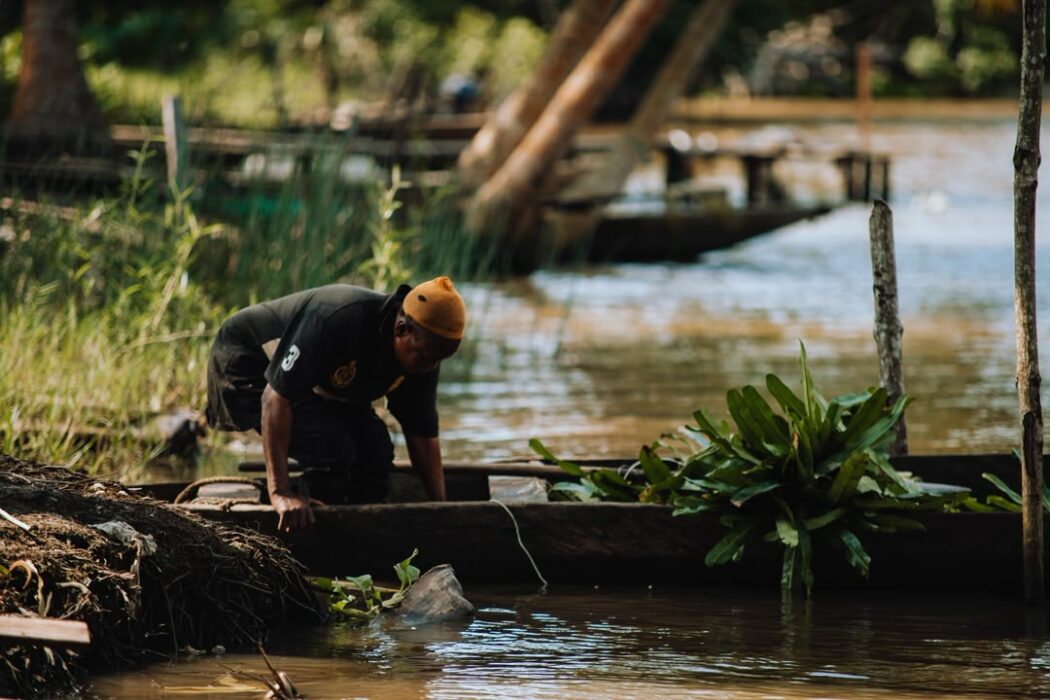
Many riverine communities continue to face significant infrastructure challenges, with limited road networks forcing residents to depend heavily on waterways for transportation.
High transportation costs, inadequate power infrastructure and poor communication networks have further complicated development efforts in the areas.
The Minister said education was among the sectors significantly affected by the isolation of riverine communities.
He cited disparities in school enrolment in predominantly riverine areas, including Burutu, Patani, Warri North and Warri South-West Local Government Areas of Delta State.
According to him, research involving students, parents, teachers, and community stakeholders found that transportation difficulties, poor network connectivity, and the challenges associated with working in riverine communities discouraged teachers and National Youth Service Corps (NYSC) members from consistently serving in these areas.
He said the situation had contributed to declining student motivation, particularly at the Junior Secondary School level, where shortages of consistent, qualified teachers had affected continued participation in education.
Tijani stressed the importance of digital access to education, noting that improved connectivity could help keep students engaged and provide broader learning opportunities.
He said equal opportunity in education increasingly required equal access to digital connectivity.
Healthcare delivery is also affected by the challenges confronting riverine communities, with many areas having limited hospitals and relying mainly on community health centres, sometimes supported by religious organisations and community leaders.
Limited healthcare facilities, coupled with transportation difficulties, continue to affect residents’ well-being and development prospects.
Fishing remains a major economic activity across many riverine communities, alongside palm, coconut and pottery-related cottage industries.
However, poor infrastructure, limited investment, high logistics costs and restricted market access continue to constrain economic growth.
The absence of banking and other formal financial services has also contributed to the economic isolation of some communities, with many traders and merchants operating without access to conventional banking facilities.
Beyond economic development, the Riverine Connect Initiative is also expected to support national security.
The government identified communication gaps in remote coastal and riverine areas as a security concern, particularly regarding oil bunkering, pipeline vandalism, environmental incidents, and the monitoring of waterways.
Improved communication infrastructure, according to the government, would strengthen the ability of relevant agencies and local communities to respond to emergencies and monitor activities across difficult-to-access areas.
The Riverine Connect Initiative is expected to be piloted and launched in communities along the Benin River during BINI RIVA Life in August 2026.
The initiative is projected to support the development of digital classrooms, JAMB centres, technology-enabled logistics businesses and eco-tourism opportunities in riverine communities.
Stakeholders believe improved digital infrastructure could provide the foundation for greater social inclusion, economic growth, investment, education, healthcare delivery and security across Nigeria’s riverine and remote communities.
BINI RIVA Life, scheduled for August 14–16, 2026, will celebrate riverine communities, culture, connectivity and commerce, with the Riverine Connect Initiative positioned as a major step towards opening new opportunities for communities along Nigeria’s waterways.
We’ve got the edge. Get real-time reports, breaking scoops, and exclusive angles delivered straight to your phone. Don’t settle for stale news. Join LEADERSHIP NEWS on WhatsApp for 24/7 updates →
Join Our WhatsApp Channel